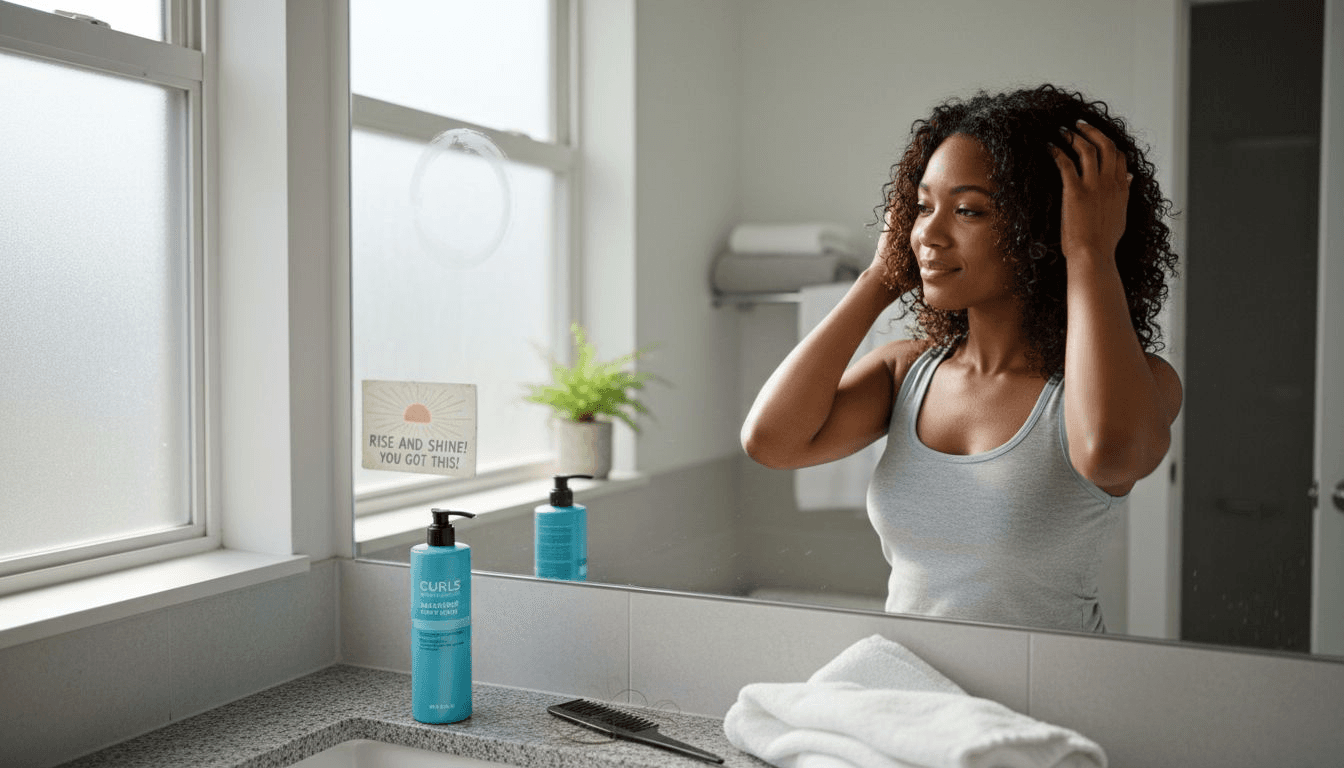
Finding the right moisturizer for textured hair often feels like searching for the perfect balance between hydration and manageability. For Black women, unique curl patterns and the natural structure of each strand can turn routine hair care into a daily challenge—especially when battling dryness, breakage, or frustrating hair loss. This guide highlights how natural hair moisturizers with key ingredients like shea butter, Jamaican black castor oil, and glycerin support healthier, softer hair while simplifying your routine and directly addressing your hair goals.
Table of Contents
- Defining Natural Hair Moisturizers for Black Hair
- Common Types and Key Ingredients Explained
- How Natural Moisturizers Support Hair Health
- Selecting and Applying Products for Best Results
- Mistakes to Avoid for Lasting Moisture
Key Takeaways
| Point | Details |
|---|---|
| Natural Hair Moisturizers are Essential | They are specifically formulated to meet the unique hydration needs of Black hair, addressing dryness and breakage effectively. |
| Choose the Right Formulation | Select moisturizers based on hair type and porosity to avoid product buildup and ensure optimal hydration. |
| Two-Step Application is Key | Apply a water-based moisturizer first, followed by an oil or butter to seal in moisture for better hydration. |
| Prioritize Scalp Health | A healthy scalp is crucial for moisture retention and overall hair health, requiring attention to cleansing and hydration. |
Defining Natural Hair Moisturizers for Black Hair
Natural hair moisturizers are specifically formulated products designed to hydrate, soften, and protect textured and curly hair that naturally tends toward dryness. These aren't one-size-fits-all products—they're engineered with your hair's unique needs in mind.
Your hair's structure matters here. Black hair grows from curved or coiled follicles, which means moisture travels down the hair shaft differently than it does for straight hair types. This natural texture makes it harder for your scalp's natural oils to distribute evenly, leaving strands vulnerable to dryness and breakage.
What Makes These Moisturizers "Natural"
Natural hair moisturizers combine two key ingredient types:
- Humectants: Draw moisture from the air into your hair shaft, providing immediate hydration
- Natural oils and butters: Lock that moisture in and nourish your hair's protein structure
Common ingredients include shea butter, coconut oil, Jamaican black castor oil, argan oil, and glycerin. These work together to combat the dryness that plagues textured hair.
How They Actually Work
Moisturizers do more than add water. Products designed to hydrate curls and coils improve softness and elasticity while reducing tangling and breakage. When your hair is properly moisturized, it bends without snapping, lays flatter when you want it to, and responds better to styling.
The goal isn't slick, greasy hair. It's balanced moisture that keeps your curls defined without frizz and without weighing your hair down.
Why Black Hair Needs Specific Formulations
Your hair's texture requires moisture retention strategies that other hair types don't. Standard moisturizers often leave Black hair feeling sticky or build up product residue. Specialized formulations account for porosity—your hair's ability to absorb and retain moisture—and curl pattern complexity.
These products specifically address:
- Dryness and brittleness from curl structure limiting natural oil distribution
- Frizz and shrinkage caused by low moisture levels
- Styling difficulty when hair lacks elasticity
- Breakage from stress on dry, inflexible strands
Properly moisturized hair is stronger, more elastic, and easier to style—which directly supports healthy growth and prevents the damage that leads to hair loss.
Understanding natural hair care fundamentals for Black hair helps you choose moisturizers that align with your specific hair goals.
Pro tip: Start with a lightweight moisturizer if your hair is fine or low-density, then layer heavier butters only on your ends—this prevents buildup while keeping your curls hydrated where they need it most.
Common Types and Key Ingredients Explained
Moisturizer formulations vary widely because Black hair has different porosity levels and texture patterns. What works as a lightweight daily product for fine curls won't work the same way for thick, densely coiled hair. Understanding both the product types and their ingredient functions helps you choose what actually works for your hair.
Product Types
Moisturizers come in several formats, each designed for different application methods and intensity levels:
- Lotions: Lightweight, water-based, ideal for daily use and easy application
- Creams: Thicker consistency providing more intense hydration for drier hair
- Sprays: Quick-absorbing, convenient for refresh sessions between washes
- Leave-in conditioners: Designed to stay in hair all day, combining moisture with conditioning benefits
Lotions and sprays are your go-to for maintaining moisture without weighing hair down. Creams deliver heavier hydration when your curls need serious moisture intervention.
Here's a quick reference to how different moisturizer types suit various hair needs:
| Moisturizer Type | Best For | Hydration Level |
|---|---|---|
| Lotion | Fine or low-density hair | Lightweight moisture |
| Cream | Thick or very dry hair | Intense hydration |
| Spray | Quick refresh sessions | Light, easy absorption |
| Leave-in conditioner | Daily moisture upkeep | Moderate hydration |
How Ingredients Actually Work
Every effective moisturizer uses three ingredient categories working together. Understanding this combination helps you decode product labels and predict how a moisturizer will perform on your hair.
Humectants draw moisture from the air into your hair shaft. Glycerin and aloe vera pull water vapor directly into each strand, providing immediate hydration. Think of them as your hair's moisture magnets.
Emollients soften and smooth your hair's cuticle layer. Shea butter and coconut oil slide between hair cells, reducing friction and frizz while making curls feel silky.
Occlusives seal everything in. Castor oil creates a protective barrier that locks moisture inside your strands so it doesn't evaporate throughout the day.
The best moisturizers balance all three categories—you need the attraction (humectants), the softening (emollients), and the sealing (occlusives) to actually keep hair hydrated.
Key Ingredients You'll See
These natural ingredients appear repeatedly in quality moisturizers because they actually deliver results:
- Black castor oil: Rich in fatty acids, deeply nourishing for coils and highly effective at moisture retention
- Shea butter: Emollient that softens without feeling greasy when used correctly
- Coconut oil: Penetrates the hair shaft and reduces protein loss from washing
- Glycerin: Humectant that works overtime in humid climates
- Aloe vera: Lightweight humectant perfect for fine or low-density curls
These work because they're specifically suited to textured hair's needs, unlike generic moisturizers designed for straight hair.
This summary helps you match key natural ingredients to their main hair benefits:
| Ingredient | Primary Function | Ideal For |
|---|---|---|
| Shea butter | Softens and smooths | Coarse, dry strands |
| Glycerin | Attracts moisture | High humidity climates |
| Coconut oil | Reduces protein loss | Brittle or damaged hair |
| Black castor oil | Boosts nourishment | Retaining hair length |
| Aloe vera | Lightweight hydration | Fine, low-density curls |
Pro tip: Match product thickness to your hair density—use lighter lotions or sprays for fine curls and creams for thick, coily hair, then layer strategically from roots to ends to avoid buildup.
How Natural Moisturizers Support Hair Health
Natural moisturizers do more than make your hair feel soft. They actively protect and strengthen your hair's structure, directly supporting your hair health goals. When moisture reaches your hair shaft, it prevents the brittleness and breakage that interrupt growth cycles.

Dryness weakens your hair. When cuticles lack hydration, they lift and separate, making strands vulnerable to snapping. Moisturizers seal these cuticles, creating a protective barrier that keeps your hair intact through styling, weather, and daily stress.
Reducing Breakage and Strengthening Strands
Ingredients like shea butter and Jamaican black castor oil nourish your scalp while rebuilding hair strength. These natural compounds penetrate deeply, restoring elasticity so your curls can bend without breaking. Less breakage means longer retention—your hair actually stays on your head.
Breakage happens at the weakest points. Usually that's where your curls are most fragile:
- Ends: Most exposed to environmental damage and manipulation
- New growth: Delicate transition from scalp to older hair
- High-manipulation areas: Spots you touch, style, or tie frequently
Proper moisturizing strengthens all these zones by keeping them flexible and nourished.
Improving Elasticity and Manageability
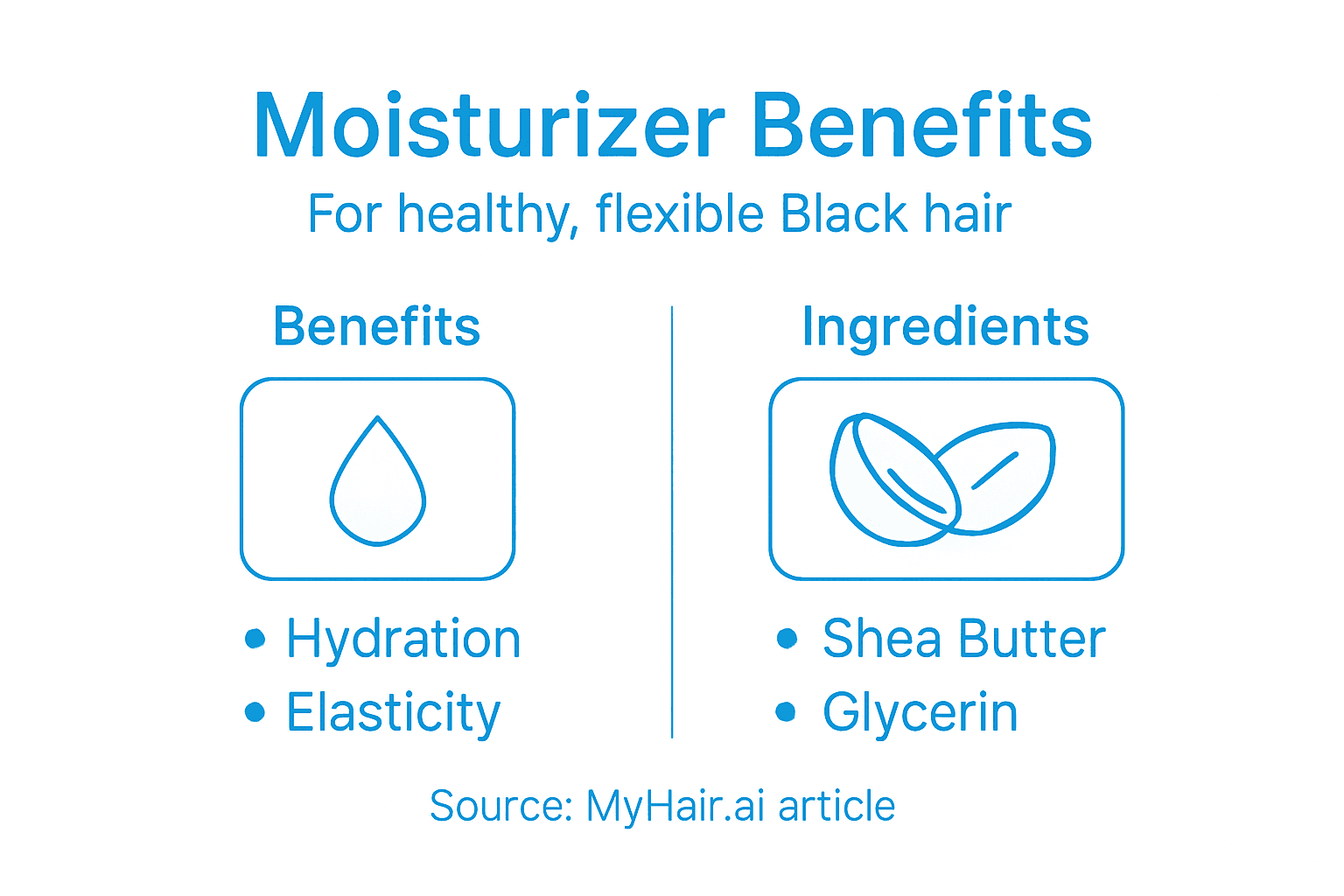
When hair lacks moisture, it becomes rigid and difficult to style. Moisturizers enriched with humectants like glycerin improve your hair's elasticity, making it bend without snapping during styling. This directly impacts your ability to detangle, braid, or twist without damage.
Elasticity matters because it determines how much manipulation your hair can handle. Better elasticity means smoother detangling sessions and less hair left in your comb.
Supporting Scalp Health
Your scalp is where growth happens. Natural moisturizers nourish the scalp environment, reducing dryness and irritation that interfere with hair growth. A healthy, hydrated scalp produces healthier hair from the root.
Consistent moisturizing protects your hair's cuticle integrity while supporting the scalp conditions necessary for sustained growth—addressing both immediate damage prevention and long-term health.
Protecting Against Environmental Stressors
Your hair faces constant attacks: UV rays, humidity fluctuations, pollution, and heat styling. A well-moisturized hair shaft resists these stressors better because the cuticle layer stays sealed and protected. This protective effect directly extends your hair's lifespan between trims.
Pro tip: Apply moisturizer while your hair is still damp from washing to maximize absorption, then seal with a lightweight oil on your ends to lock in hydration for 24 to 48 hours.
Selecting and Applying Products for Best Results
Choosing the right moisturizer means understanding your specific hair needs first. Your porosity, density, and curl pattern all determine which products will actually work versus sit on your hair unused. Selecting products thoughtfully saves money and frustration.
Start by identifying your hair's characteristics. Fine, low-density curls need lightweight lotions and sprays. Thick, coily hair handles creams and butters better. Mid-range texture works with most formulations when applied correctly.
The Two-Step Application Method
Effective moisturizing uses a specific sequence. Applying products in sections ensures even distribution throughout your hair, preventing dry spots and product waste. This method takes longer initially but delivers far better results.
Follow this order for maximum benefit:
- Section your hair: Divide into 4 to 8 manageable sections depending on density
- Apply water-based moisturizer first: Spray or lotion hydrates each section thoroughly
- Seal with oil or butter: Layer a lighter oil on damp hair to lock moisture in
- Focus on ends: Spend extra time on lengths and ends where dryness concentrates
This two-step approach works because water-based products hydrate, then oils prevent that moisture from evaporating.
Avoiding Buildup and Finding Your Balance
Product buildup happens when heavy formulations sit on your hair instead of absorbing. Your curls feel sticky, weighed down, and dull. The solution isn't using less product—it's using the right product type for your hair.
Lighter products:
- Lotions and sprays work for daily maintenance
- Leave-in conditioners provide flexible hydration
- Gel-based moisturizers absorb without residue
Heavier products:
- Creams and butters suit weekly deep conditioning
- Oil sealants work best on damp hair, not dry strands
Matchingweight to frequency prevents buildup while keeping your hair hydrated.
Deep Conditioning and Maintenance Schedule
Consistent moisturizing requires a sustainable routine. Deep conditioning every two weeks rebuilds moisture levels that wash day depletes. Between deep sessions, daily leave-in conditioners maintain hydration without requiring water or mixing.
Your routine might look like:
- Daily: Light spray moisturizer on ends plus oil seal
- Wash day: Two-step application with heavier products
- Every two weeks: Deep conditioning treatment for 20 to 30 minutes
Your perfect routine balances daily maintenance with intensive treatments—consistent application matters more than finding one "perfect" product.
Pro tip: Apply moisturizer to soaking wet hair rather than damp hair, which allows water molecules to open your cuticle and let products penetrate deeper before you seal with oils.
Mistakes to Avoid for Lasting Moisture
Mostakes in your moisturizing routine undermine all your other hair care efforts. These missteps are common, but once you know what they are, they're completely avoidable. Small corrections create dramatic improvements in how long your moisture actually lasts.
The Oil-First Mistake
This is the biggest misconception about moisturizing Black hair. Many people apply oils first, thinking oils hydrate hair. They don't. Avoid using heavy, non-water-based products as your primary moisturizer—oils and butters seal moisture in, but they can't create hydration on their own.
Water-based products must come first:
- Lotions, sprays, and leave-in conditioners contain water that actually hydrates
- Oils and butters lock that water inside your hair shaft
- Using only oils leaves your hair dehydrated but shiny-looking
This explains why your hair feels soft initially but dries out within hours. You sealed your hair before hydrating it.
Harsh Shampoos Strip Everything Away
Frequent washing with harsh shampoos removes natural oils your scalp produces to protect and moisturize hair. Once stripped, your hair becomes more porous and thirsty, making it harder to retain moisture no matter what products you use.
Your shampoo matters because it determines how much moisture your hair can hold afterward. Clarifying shampoos occasionally are fine, but daily harsh cleansing is counterproductive.
Ignoring Seasonal and Porosity Changes
Your hair's moisture needs shift with seasons. Winter humidity differs from summer. High-porosity hair absorbs moisture quickly but releases it faster. Low-porosity hair resists absorption initially but holds moisture longer once it penetrates.
Not adjusting your routine to these factors means you're either:
- Using products that don't work for your hair's current state
- Applying the wrong amounts for your hair's porosity level
- Missing the timing adjustments seasonal changes require
Your summer routine won't work in winter without tweaks.
Neglecting Scalp Health
Your scalp is the foundation of hair health. Ignoring scalp health undermines moisture retention because healthy hair grows from a healthy scalp. A dry, inflamed, or irritated scalp produces weaker hair that can't hold moisture effectively.
Scalp care includes:
- Gentle cleansing without harsh surfactants
- Moisturizing the scalp itself, not just hair strands
- Addressing buildup from products or sweat
- Reducing inflammation that blocks proper oil production
Your scalp's natural oils should reach your hair—when they can't, moisture problems start at the root.
Lasting moisture requires consistent technique, not just expensive products—even premium moisturizers fail when applied to the wrong hair preparation or without addressing scalp health.
Pro tip: Do a moisture check every two weeks by taking a single strand and stretching it gently—it should extend without snapping, indicating adequate hydration.
Unlock the Power of Personalized Hair Care for Black Hair Moisture Challenges
Struggling with dryness, breakage, or elasticity issues common to natural Black hair? This article highlights the importance of tailored moisturizing strategies that balance humectants, emollients, and occlusives to keep your curls healthy and vibrant. If you are seeking real, sustainable results from your natural hair moisturizers, understanding your unique hair porosity, density, and curl pattern is essential.
Take control of your hair health journey today by visiting MyHair.ai. Our AI-driven platform provides personalized hair assessments and actionable insights to track hair growth and moisture retention progress over time. Discover custom product recommendations designed to support your specific hair needs and unlock stronger, better-hydrated curls. Start your transformation now with personalized hair care solutions crafted just for you. Achieve moisture that lasts and your healthiest hair ever.
Frequently Asked Questions
What are natural hair moisturizers for Black hair?
Natural hair moisturizers for Black hair are specialized products designed to hydrate, soften, and protect textured and curly hair, which is prone to dryness. They contain ingredients like humectants to draw moisture in and natural oils to lock it in.
How do I determine the right type of moisturizer for my hair?
To choose the right type of moisturizer, consider your hair's porosity, density, and texture. Fine or low-density hair typically benefits from lightweight lotions and sprays, while thick or very dry hair may require heavier creams or butters for effective hydration.
Can I use oil as a moisturizer for my hair?
While oils can help seal in moisture, they shouldn't be used as the primary moisturizer. For effective hydration, apply a water-based moisturizer first, then follow up with oil or butter to lock in that moisture.
How often should I moisturize my natural hair?
It's recommended to moisturize your natural hair daily with a light spray or lotion, and to perform deeper moisturizing treatments, like using creams or butters, on wash days or every two weeks, depending on your hair's needs.
Recommended
- Understanding Natural Hair Care for Black Hair | MyHair
- Black Seed Oil for Hair Growth: Benefits and Tips 2025 | MyHair
- Best Black Hair Treatment for Growth and Hair Loss | MyHair
- Natural Hair Treatment Steps for Visible Growth Results | MyHair
- Navova's Haircare - Gloss Conditioner | Smoky Green Vetiver