TL;DR:
- Natural hair repair focuses on reducing damage, restoring surface smoothness, and protecting new growth. It cannot rebuild broken internal bonds, but consistent trimming and gentle care improve appearance and moisture. Surface treatments like coconut oil and vinegar provide temporary benefits but do not cause permanent structural repair.
Natural hair repair is the practice of restoring moisture, smoothing damaged cuticles, and protecting hair with consistent, gentle care using natural ingredients and routines. Hair is made of dead keratin cells, which means it cannot biologically heal itself. Natural methods like coconut oil treatments, apple cider vinegar rinses, and avocado masks improve how hair looks and feels, but they do not rebuild broken internal structure. Permanent improvement requires trimming damaged ends and protecting new growth with consistent care. Knowing this distinction upfront saves you from wasted effort and unrealistic expectations.
What does natural hair repair actually involve?
Natural hair repair focuses on three goals: reducing ongoing damage, restoring surface smoothness, and protecting new growth as it emerges. Ingredients like coconut oil, argan oil, and apple cider vinegar work by coating the hair shaft and temporarily smoothing the cuticle layer. That smoothing effect is real and noticeable, but it is not structural repair. Think of it like polishing a scratched table. The surface looks better, but the scratch is still there underneath.
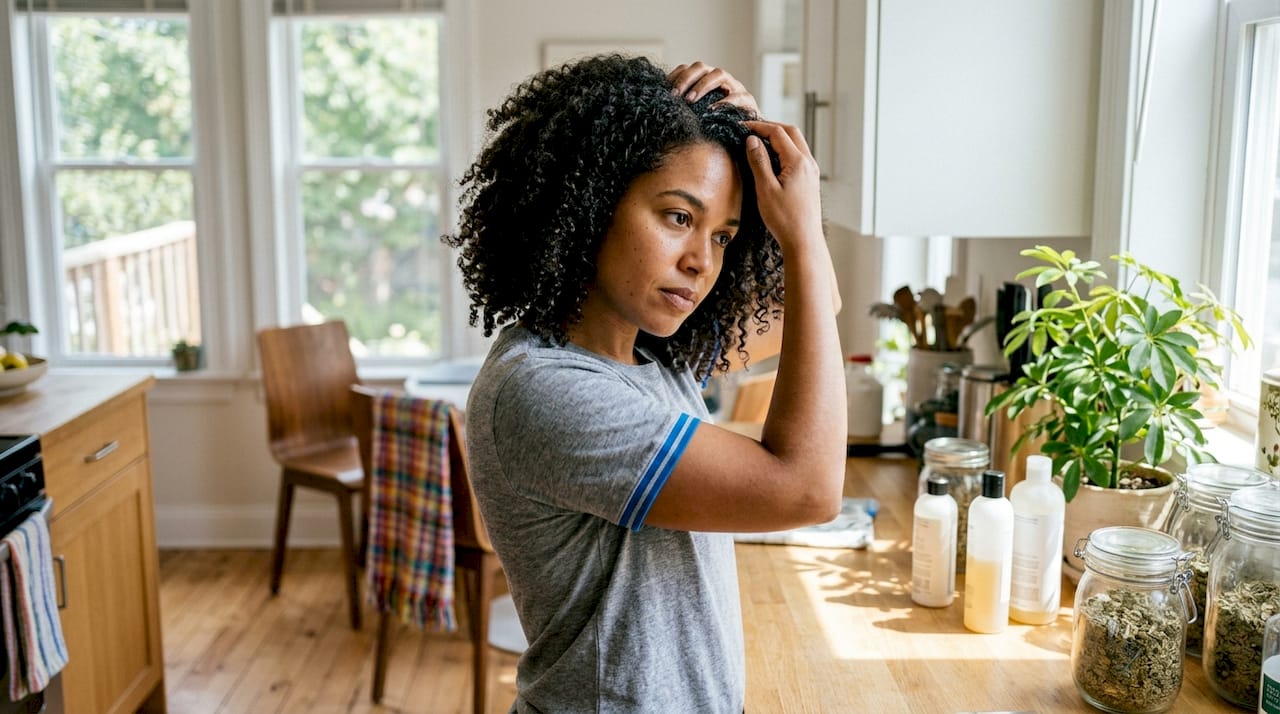
The most effective natural repair approach combines reducing damage causes, maintaining moisture, and trimming split ends before they travel up the strand. Sources like Pantene and Preventive Medicine Daily confirm that proteins and lipids strengthen hair and improve resilience, even though they cannot reverse structural tears. Setting realistic goals from the start makes the process more rewarding and sustainable.
How to build a natural hair care routine for repair
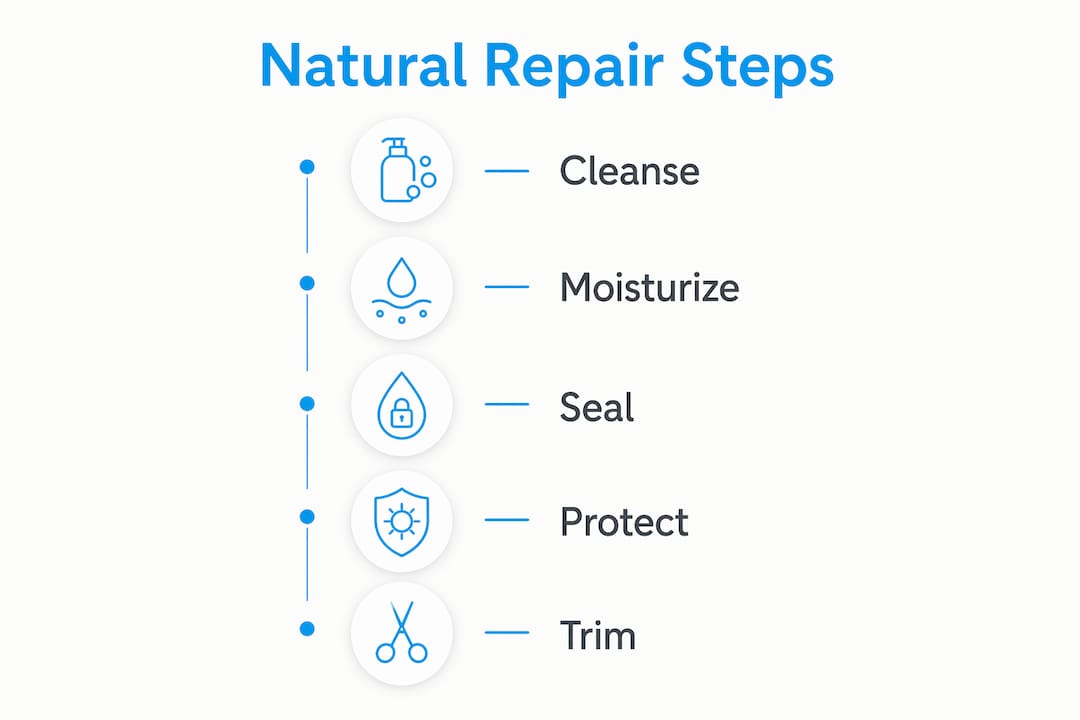
A strong repair routine follows a clear sequence: cleanse, moisturize, seal, and protect. Each step builds on the last, and skipping one undermines the others.
Step 1: Cleanse gently
Harsh shampoos strip the scalp of natural oils, leaving hair dry and brittle before any treatment begins. A gentle cleansing routine uses sulfate-free shampoos or co-washing, which means washing with conditioner only. Co-washing works especially well for dry, coiled, or chemically treated hair because it preserves the moisture the hair already holds.
Step 2: Moisturize and seal
The LOC method (liquid, oil, cream) and the LCO method (liquid, cream, oil) are the two most widely used moisturizing sequences for natural hair. Both start with a water-based product to hydrate the strand, then layer either oil or cream to lock that moisture in. Sealing with a natural oil like coconut or argan oil is the step most people skip, and it is the step that makes the biggest difference in preventing breakage.
Step 3: Detangle carefully
Detangling wet hair with a wide-tooth comb or fingers, starting from the ends and working upward, cuts breakage significantly. Forcing a brush through dry, tangled hair is one of the fastest ways to create split ends. Protective styles like braids, twists, and buns reduce daily manipulation and give hair time to recover.
Pro Tip: Avoid washing hair more than two to three times per week. Over-washing removes the scalp's natural sebum, which is the body's own built-in conditioner.
Lifestyle factors also affect repair speed. Protein-rich foods, adequate hydration, and reduced stress all support healthy hair growth from the root. A consistent natural hair routine built on these basics outperforms any single treatment applied inconsistently.
What are the best natural ingredients for damaged hair?
The most effective natural ingredients for damaged hair work by coating the cuticle, adding fatty acids, or temporarily adjusting the hair's pH. None of them rebuild broken keratin bonds permanently, but used correctly, they produce visible results.
Coconut oil penetrates the hair shaft more deeply than most oils because of its low molecular weight. It reduces protein loss during washing and adds a layer of protection against heat and friction. Apply it as a pre-wash treatment for 30 minutes before shampooing.
Avocado masks deliver fatty acids, biotin, and vitamins E and K directly to the hair surface. Mashed avocado mixed with olive oil makes a simple DIY hair repair treatment that leaves hair noticeably softer after one use. Apply it to damp hair, leave it on for 20–30 minutes, then rinse thoroughly.
Apple cider vinegar rinses work by temporarily flattening the cuticle due to their acidic pH. The result is smoother, shinier hair immediately after rinsing. However, ACV effects are transient. The roughness returns after the next wash, confirming that the improvement is surface-level, not structural.
| Ingredient | Primary benefit | Limitation | Best use |
|---|---|---|---|
| Coconut oil | Reduces protein loss, deep penetration | Can cause buildup on fine hair | Pre-wash treatment |
| Avocado mask | Fatty acids, intense hydration | Messy to apply, short shelf life | Weekly deep conditioning |
| Apple cider vinegar | Smooths cuticle, adds shine | Temporary effect, irritation risk if undiluted | Monthly rinse, diluted 1:4 with water |
| Argan oil | Seals moisture, reduces frizz | Expensive, light hold only | Daily sealing oil |
| Jojoba oil | Mimics scalp sebum, balances oil production | Slower absorption than coconut oil | Scalp massage, ends treatment |
Pro Tip: Always patch test a new treatment on a small section of hair or skin before applying it fully. Rotating ingredients every few weeks also prevents product buildup that can weigh hair down.
Argan oil and jojoba oil round out a strong natural remedies toolkit for brittle or dry hair. Argan oil seals the cuticle after moisturizing, while jojoba closely mimics the scalp's natural sebum and works well as a scalp treatment.
How do you manage split ends and breakage naturally?
Split ends cannot be healed naturally. Once the hair shaft splits at the end, the structural integrity at that point is gone. Natural oils and conditioners coat the split temporarily, making it look smoother, but the split will continue traveling up the strand if left untrimmed. Trimming every 8–12 weeks is not optional for anyone serious about hair health.
That said, natural methods do slow the progression of damage and protect the hair you have. The table below summarizes the most effective prevention strategies.
| Damage type | Natural prevention method | Frequency |
|---|---|---|
| Split ends | Trim regularly, seal ends with argan oil | Every 8–12 weeks |
| Breakage | LOC/LCO method, avoid heat styling | Daily moisturizing |
| Dryness | Deep conditioning with avocado or coconut oil | Weekly |
| Friction damage | Silk or satin pillowcase, protective styles | Nightly |
| Cuticle roughness | Diluted apple cider vinegar rinse | Monthly |
Maintaining hair elasticity is the key to preventing breakage. Elastic hair stretches slightly before snapping. Dry, brittle hair snaps immediately. Deep conditioning treatments with moisturizing hair masks restore that elasticity by replenishing the moisture the cortex needs to stay flexible.
Pro Tip: Pull a single wet strand gently. If it stretches slightly before breaking, moisture levels are good. If it snaps immediately with no stretch, your hair needs deep conditioning urgently.
Protective styling reduces the daily friction and tension that cause breakage. Loose braids, twists, and buns keep ends tucked away and minimize exposure to environmental stressors like wind, sun, and dry air.
Common mistakes that slow down natural hair repair
The biggest mistake in natural hair repair is chasing a single miracle ingredient instead of building a consistent gentle routine. No ingredient, no matter how effective, compensates for daily heat damage, harsh cleansing, or skipped trims.
- Using undiluted apple cider vinegar: Undiluted ACV disrupts scalp health and causes dryness and irritation. Always dilute it at a ratio of one part ACV to four parts water.
- Over-washing: Washing daily strips natural oils and leaves hair more vulnerable to breakage. Limit washing to two or three times per week.
- Skipping trims: Avoiding the scissors does not preserve length. Split ends travel upward and force you to cut more later.
- Ignoring the scalp: A healthy scalp produces healthy hair. Scalp massages with jojoba or castor oil increase circulation and support growth.
- Applying too much product: Heavy product buildup blocks moisture from reaching the hair shaft. Use lighter amounts and clarify monthly.
- Inconsistent routine: Applying a treatment once and expecting lasting results is the most common barrier to progress. Repeatable basics beat occasional intensive treatments every time.
Stress also contributes to hair loss and slowed growth. Reducing stress through sleep, exercise, and nutrition supports the hair growth cycle from the inside out. A natural hair care approach that addresses both external treatments and internal health produces the most durable results.
Key takeaways
Natural hair repair works best when it combines consistent moisturizing, protective styling, and regular trimming rather than relying on any single ingredient or treatment.
| Point | Details |
|---|---|
| Hair cannot structurally self-repair | Natural methods improve appearance and moisture but cannot rebuild broken keratin bonds. |
| Trim split ends regularly | Trimming every 8–12 weeks prevents damage from traveling up the strand. |
| Moisturize and seal daily | The LOC or LCO method retains moisture and reduces breakage more than any single treatment. |
| Patch test and dilute acidic rinses | Apple cider vinegar must be diluted 1:4 with water to avoid scalp irritation and dryness. |
| Consistency beats intensity | A repeatable daily and weekly routine outperforms occasional deep treatments applied without structure. |
What I've learned after years of watching hair repair myths play out
The most persistent myth in hair care is that a single natural ingredient will fix everything. I have seen people apply coconut oil daily for months and wonder why their hair is still breaking. The oil was never the problem. The twice-daily heat styling, the harsh clarifying shampoo used every other day, and the skipped trims were the problem.
Natural repair is not about finding the right ingredient. It is about removing the things that cause damage faster than your hair can recover. Once you stop the damage cycle, even basic moisturizing and sealing produce visible results within weeks.
The other myth worth addressing directly: trimming is not the enemy of length retention. Skipping trims while damage travels up the strand forces a larger cut later. Trimming strategically every 8–12 weeks is the fastest path to longer, healthier hair over a 12-month period.
What I find most useful is treating natural treatments as surface conditioners, not cures. Avocado masks, argan oil, and ACV rinses all make hair look and feel better. That is genuinely valuable. Just do not expect the improvement to survive three washes without maintenance. Build the routine around that reality, and the results become predictable and sustainable.
— Cyriac
How Myhair helps you personalize your repair routine
Generic advice only goes so far. Your hair's specific condition, density, and damage pattern determine which treatments will actually work for you.

Myhair uses AI-powered analysis to assess your hair health from a scan, giving you a personalized hair score and targeted product recommendations based on your actual condition. Instead of guessing which oils or masks to prioritize, you get data-specific guidance built around your hair's real needs. The Myhair hair scanner takes the trial-and-error out of building a repair routine. You can also use the app onboarding to set up a personalized care plan that tracks your progress over time. For anyone serious about organic hair restoration, having a clear baseline makes every natural treatment more effective.
FAQ
Can natural methods permanently repair damaged hair?
Natural methods cannot permanently repair damaged hair because hair is made of dead keratin cells that cannot regenerate. They improve appearance and moisture but do not restore broken internal structure.
How often should I use a natural hair mask?
A deep conditioning mask used once per week is sufficient for most people with dry or damaged hair. Overuse can cause product buildup that blocks moisture absorption.
Is coconut oil good for all hair types?
Coconut oil works well for medium to coarse hair but can cause buildup on fine or low-porosity hair. Use it as a pre-wash treatment rather than a leave-in product for best results.
Does apple cider vinegar actually repair hair?
Apple cider vinegar does not repair hair. It temporarily smooths the cuticle due to its acidity, making hair feel softer and shinier, but the effect fades after washing.
When should I trim my hair during a repair routine?
Trim every 8–12 weeks to remove split ends before they travel up the strand. Regular trimming is the only way to permanently remove structural damage and protect the length you are growing.