If your hair is thinning or shedding more than usual, the most common nutritional culprits are low ferritin (stored iron), zinc, vitamin D, and B vitamins, particularly B12, folate, and biotin. Essential fatty acids and adequate total protein also matter. Before you buy anything at the pharmacy, three steps are worth doing first:
Immediate actions before supplementing:
- Request targeted labs (see the full list below) so you know whether a true deficiency exists. Supplementing without confirmed deficiency can waste money and, in some cases, worsen hair loss.
- Prioritize food-first changes by adding iron-rich, zinc-rich, and protein-dense foods to your daily meals. Diet shifts are safe and often produce measurable improvements within a few months.
- Pause high-dose OTC supplements until your results are back. Excess vitamin A, selenium, and iron are all documented causes of hair shedding, not cures.
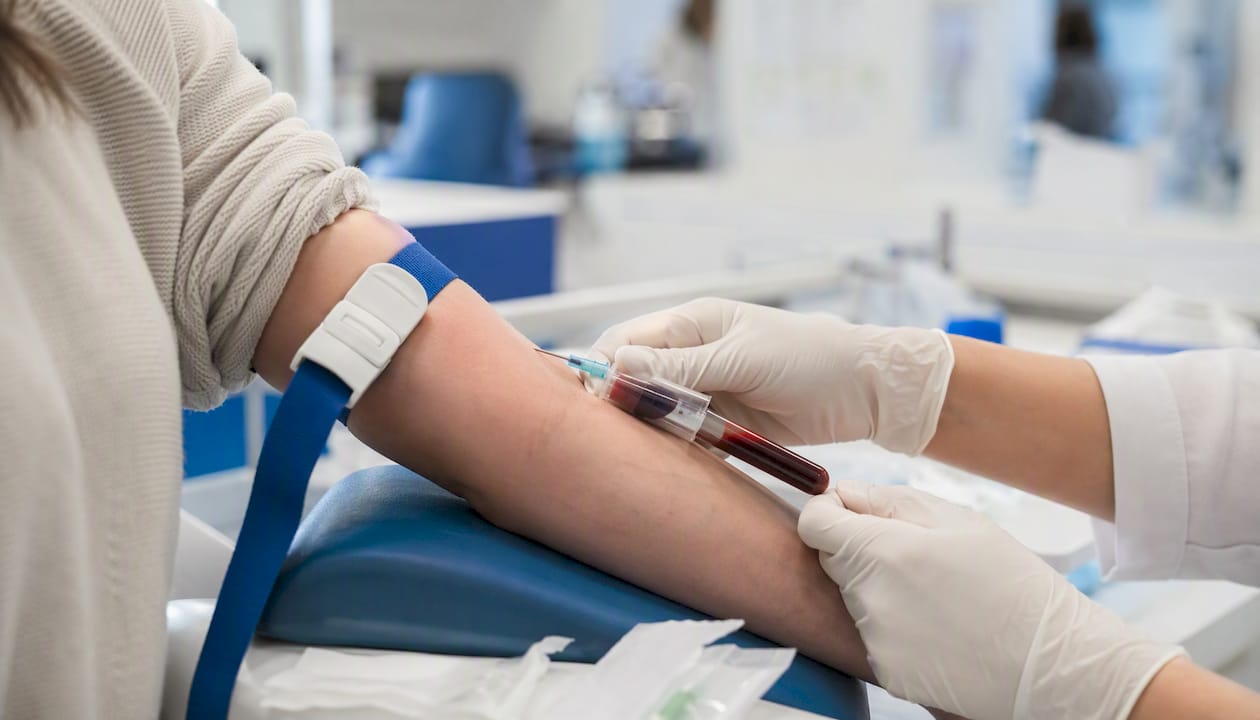
Labs to request at your next clinic visit:
- Ferritin (stored iron, the most sensitive marker for hair-related iron status)
- CBC with differential (screens for anemia and overall blood health)
- Serum iron and TIBC (total iron-binding capacity, gives context to ferritin)
- 25-OH vitamin D (the standard vitamin D status test)
- Serum zinc (low zinc is one of the more consistently documented findings in diffuse shedding)
- Vitamin B12 and serum folate (especially relevant for vegans, older adults, and anyone on metformin)
- TSH and free T4 (thyroid dysfunction is a common non-nutritional cause of diffuse hair loss)
Key Takeaways
Nutritional deficiencies affecting hair are diagnosable, correctable, and often reversible with the right testing and targeted dietary or supplementation changes.
| Point | Details |
|---|---|
| Test before you supplement | Request ferritin, serum zinc, 25-OH vitamin D, B12, folate, and TSH before starting any hair supplement. |
| Iron and zinc are the most documented | Low ferritin and low zinc are among the most consistently linked nutritional causes of diffuse shedding. |
| Excess supplements can cause hair loss | High intake of vitamin A, selenium, or iron can worsen shedding and cause systemic toxicity. |
| Regrowth takes 3–6 months minimum | Visible improvement after correcting a deficiency typically appears in 3–6 months; full recovery can take 12–18 months. |
| Myhair tracks what labs can't | Myhair's AI hair-count scans give you objective, repeatable density data to pair with lab results and clinical visits. |
Table of Contents
- Which nutritional deficiencies affect hair the most?
- How do nutrient deficits actually change your hair biology?
- Which labs should you actually request?
- Do supplements actually work for hair loss?
- What foods actually support hair health?
- How long does it take for hair to grow back?
- When should you see a doctor about hair loss?
- What does the research actually show?
- A practical perspective on what most people get wrong
- Myhair helps you track what labs can't measure
- Sources
- FAQ
Which nutritional deficiencies affect hair the most?
Hair follicles are among the most metabolically active structures in the body. They cycle through growth (anagen), transition (catagen), and rest (telogen) phases continuously, and that cycling demands a steady supply of micronutrients. When supply drops, follicles are often among the first tissues to feel it.
Iron and ferritin
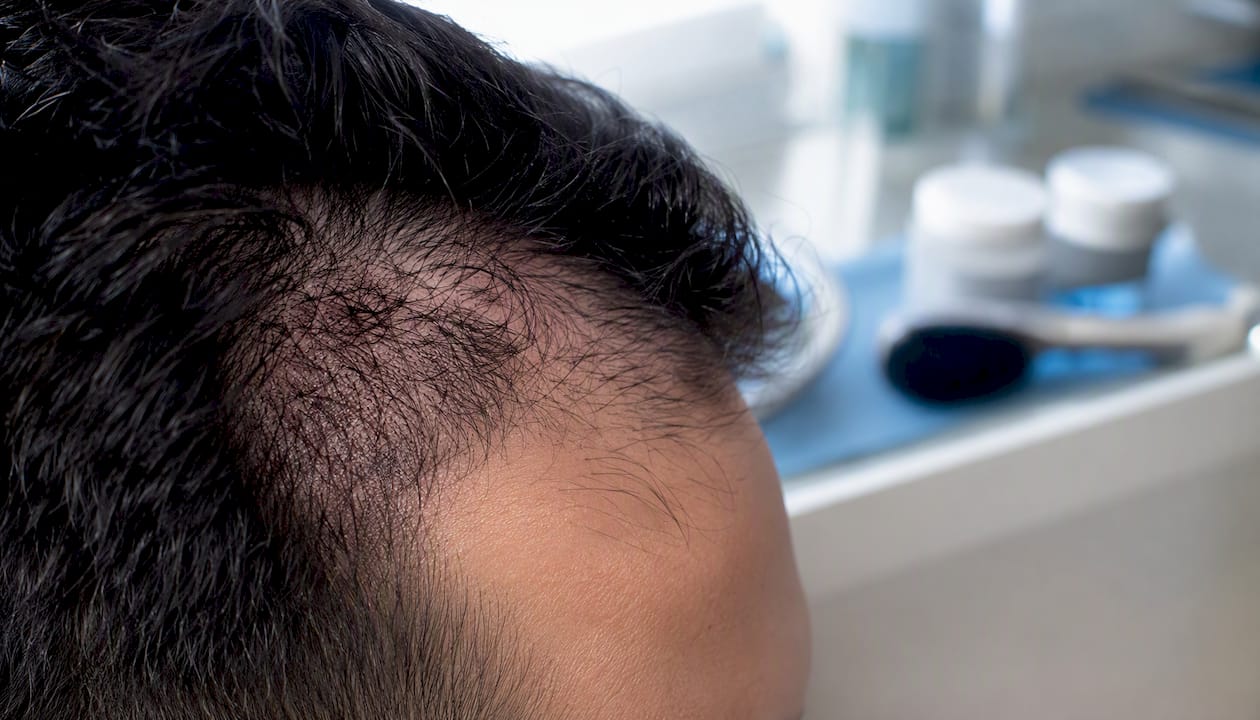
Iron is required for ribonucleotide reductase, the enzyme that drives DNA synthesis in rapidly dividing follicle cells. When iron stores fall, follicles may prematurely shift into telogen, producing the diffuse shedding pattern called telogen effluvium. The key lab is ferritin, not just hemoglobin. You can be non-anemic and still have ferritin low enough to affect hair. Clinicians vary on the threshold they consider adequate for hair, but many dermatologists discuss a target ferritin above a moderate level for hair concerns, even when the lab's "normal" range starts lower. That gap matters.
Special populations at risk: menstruating women, pregnant women, vegetarians and vegans, and anyone with a history of heavy periods or GI blood loss.
Zinc
Zinc supports keratin protein synthesis, regulates the androgen receptor, and has anti-inflammatory properties in the scalp. A case-control study of telogen effluvium patients found zinc levels were significantly lower in the TE group, while iron and vitamin D differences were not consistently significant in that cohort. That finding supports testing zinc specifically rather than assuming iron is always the primary driver. Request serum zinc; note that zinc is sensitive to recent food intake, so morning fasting samples are more reliable.
Special populations at risk: vegans and vegetarians (phytates in legumes reduce zinc absorption), people with Crohn's disease or celiac disease, and older adults.
Vitamin D
Vitamin D receptors are present in hair follicles, and vitamin D appears to play a role in follicle cycling and dermal papilla function. Low vitamin D is commonly observed in people presenting with hair loss, though randomized supplementation trials have produced mixed results. The biologic plausibility is solid; the RCT evidence for universal supplementation is not. Test with 25-OH vitamin D. Most clinicians consider certain low levels deficient or insufficient, though optimal ranges for hair specifically are debated.
Vitamin B12 and folate
Both B12 and folate are required for red blood cell production and DNA replication in fast-dividing cells, including follicle matrix cells. Deficiency can cause megaloblastic anemia and diffuse shedding. B12 deficiency is particularly common in strict vegans (B12 is found almost exclusively in animal products), older adults with reduced gastric acid, and people taking metformin long-term. Request serum B12 and serum folate together, since they interact metabolically.
Biotin (vitamin B7)
Biotin is the supplement most aggressively marketed for hair, yet the evidence for supplementation in people without a true deficiency is weak. Genuine biotin deficiency is rare in adults eating a varied diet. Where it does occur (in people with biotinidase deficiency, those eating large amounts of raw egg whites, or those on long-term antibiotic therapy), hair loss and brittle nails are real symptoms. One important caution: high-dose biotin supplements can interfere with common lab assays, including thyroid tests and certain cardiac enzyme measurements, by disrupting the assay chemistry. Stop biotin supplements at least 48–72 hours before any blood draw.
Essential fatty acids (omega-3 and omega-6)
Omega-3 fatty acids, particularly EPA and DHA, have anti-inflammatory properties that may benefit scalp health by modulating inflammatory gene transcription. Omega-6 fatty acids, including gamma-linolenic acid (GLA), also contribute to the lipid barrier of the scalp and hair shaft. Deficiency produces dull, dry hair and scalp inflammation. Food sources are the preferred route; high-dose fish oil supplements carry cautionary notes including potential bleeding risk at very high doses.
Vitamin A
Vitamin A is a double-edged nutrient for hair. The follicle needs retinoic acid for normal cell differentiation, but excess vitamin A, whether from supplements or very high liver consumption, is a well-documented cause of hair loss and toxicity. The therapeutic window is narrow. Deficiency is rare in the U.S. outside of severe malabsorption syndromes, so supplementing without a confirmed deficit carries more risk than benefit.
Selenium
Selenium is a cofactor for antioxidant enzymes including glutathione peroxidase, and the thyroid gland depends on it for hormone conversion. Both deficiency and excess cause hair loss. Brazil nuts are so selenium-dense that eating more than one or two daily can push intake into the toxic range. Supplementation without confirmed deficiency is not recommended.
Protein and total calories
Severe caloric restriction or protein deficiency, as seen in crash diets, eating disorders, or post-bariatric surgery, can trigger diffuse shedding within weeks. The body treats hair follicles as non-essential and redirects amino acids to vital organs. This is one of the fastest-acting nutritional causes of hair loss.
Pro Tip: Nutrients interact — low zinc impairs vitamin A transport, low iron affects B12 metabolism, and vitamin D status influences calcium absorption. A single-nutrient test often misses the full picture. Ask your clinician about ordering a panel rather than testing one marker in isolation.
How do nutrient deficits actually change your hair biology?
Hair loss from nutritional causes is not random. It follows predictable biological pathways, and understanding them helps you interpret what you're seeing in the mirror.
Telogen effluvium (TE) is the most common nutrition-driven pattern. When the follicle is stressed by a nutrient shortfall, it exits the anagen (growth) phase early and enters telogen (rest). Six to twelve weeks later, those resting hairs shed simultaneously. The result is diffuse, all-over thinning rather than a receding hairline or a bald patch. TE typically follows the nutritional insult by 2–3 months, which is why people often struggle to connect the shedding to its cause.
Anagen disruption occurs in more severe deficiencies. Rapidly dividing matrix cells in the follicle bulb stop dividing, producing a structurally weak hair shaft that breaks before it reaches the surface. This is more common in acute protein-calorie malnutrition or chemotherapy, but severe iron or zinc depletion can produce a milder version.
Impaired keratin synthesis results from inadequate protein, zinc, or B vitamins. Keratin requires specific amino acids (cysteine, methionine) and cofactors; without them, hair grows more slowly and the shaft is thinner and more prone to breakage.
Oxidative stress from selenium or vitamin E deficiency reduces the antioxidant defenses in the follicle, making it more vulnerable to inflammation and premature cycling.
Pattern clues: nutrition-driven loss vs. androgenetic alopecia
| Feature | Nutrition-driven loss | Androgenetic alopecia |
|---|---|---|
| Distribution | Diffuse, all-over thinning | Receding temples, vertex thinning |
| Onset | Often acute, follows an event | Gradual, progressive |
| Reversibility | Usually reversible with correction | Partially reversible with treatment |
| Lab findings | Often abnormal | Usually normal |
| Family history | Not a primary driver | Strongly associated |
Timeline callout:
- Shedding typically peaks several weeks after the nutritional insult
- Correction of the deficiency stops new follicles from entering telogen prematurely
- Visible regrowth usually appears 3–6 months after levels normalize
- Full density recovery can take over a year, depending on severity and duration
Which labs should you actually request?
Getting the right tests matters more than getting a lot of tests. A targeted panel gives you and your clinician actionable data; a random assortment of supplements without it is guesswork.
- Ferritin — the most sensitive marker for iron stores relevant to hair. A "normal" ferritin on a standard lab report can still be functionally low for hair follicles. Discuss the result in context with your clinician, not just against the lab's reference range. Note that ferritin is also an acute-phase reactant, meaning it rises during inflammation, which can mask a true deficit.
- CBC with differential — screens for anemia (low hemoglobin, low MCV suggesting iron deficiency; high MCV suggesting B12 or folate deficiency) and overall immune status.
- Serum iron and TIBC — used alongside ferritin to assess iron status more completely. Low serum iron with high TIBC points toward iron deficiency.
- 25-OH vitamin D — the standard test for vitamin D status. Results below 20 ng/mL are generally considered deficient; 20–30 ng/mL is often classified as insufficient.
- Serum zinc — collect fasting, in the morning, in a trace-element tube. Zinc levels fluctuate with meals and stress, so context matters.
- Vitamin B12 and serum folate — order both together. If B12 is borderline (200–400 pg/mL), a methylmalonic acid (MMA) level can confirm functional deficiency.
- TSH and free T4 — thyroid dysfunction (both hypo- and hyperthyroidism) causes diffuse hair loss and is frequently missed when clinicians focus only on nutrition.
- Basic metabolic panel — useful when malabsorption, kidney disease, or chronic illness is suspected.
Interpreting borderline results
Borderline values are common and genuinely tricky. A ferritin of 18 ng/mL is technically "normal" on most lab reports but may be functionally inadequate for hair follicles. Similarly, a zinc level at the low end of normal in someone eating a plant-heavy diet warrants a dietary review even if it doesn't trigger a clinical flag. The PMC review on nutrition and hair disorders notes that covert subclinical deficiencies are common and that single-nutrient assessments often fail to capture the true internal cellular environment.
Inflammatory markers (CRP, ESR) are worth adding when chronic illness or autoimmune disease is suspected, since inflammation independently drives hair shedding and can mask nutritional status on standard labs.
Pro Tip: Stop all biotin supplements at least 48–72 hours before any blood draw. Biotin interferes with common immunoassay-based lab tests, including thyroid panels and certain cardiac markers, and can produce dangerously misleading results.
Do supplements actually work for hair loss?
The honest answer: it depends entirely on whether you have a documented deficiency.
Supplements help when a true deficiency is confirmed by lab testing. In people without a documented deficit, the evidence for broad supplementation is inconclusive, and excess vitamin A, selenium, or iron can actively increase hair loss or cause systemic toxicity. The safest approach is test first, then supplement if indicated.
Harvard Health's guidance reflects this directly: some dermatologists recommend specific doses (such as 2,000 IU of vitamin D or 3–5 mg of biotin) in particular cases, but broad supplementation lacks sufficient evidence for androgenetic alopecia or telogen effluvium in people who are not deficient.
Where evidence is stronger:
- Iron supplementation in confirmed iron-deficiency anemia or low ferritin: well-supported for reducing TE-related shedding
- Vitamin D when levels are genuinely deficient (below 20 ng/mL): biologically plausible and commonly recommended, though RCT evidence for hair specifically is mixed
- Zinc when serum zinc is low: supported by multiple studies, including the telogen effluvium case-control study showing significantly lower zinc in TE patients
Where evidence is weaker:
- Routine biotin in non-deficient adults: no strong RCT evidence for hair regrowth
- High-dose vitamin E, riboflavin, or folic acid in people with normal levels: inconclusive
- Broad "hair, skin, and nails" formulas: ingredient quality and dosing vary widely; most lack independent clinical validation
Risks of excess supplementation:
- Vitamin A: chronic excess causes hair loss, liver damage, and bone fragility
- Selenium: the margin between adequate and toxic is narrow; excess causes brittle hair, nail changes, and neurological symptoms
- Iron: iron overload (hemochromatosis or supplementation in non-deficient people) damages organs and can worsen inflammation
- Biotin: interferes with lab assays, potentially masking serious conditions
- High-dose fish oil: may increase bleeding risk at very high doses
Some randomized trials of collagen peptides, keratin hydrolysates, and ceramides show reductions in shedding and improvements in hair thickness, but trial quality varies and results are not universally generalizable. These are not substitutes for correcting a documented deficiency.
Pro Tip: Before adding any supplement, review your full medication list with your clinician. Several common drugs (metformin, proton pump inhibitors, oral contraceptives, anticonvulsants) deplete specific nutrients, and correcting the drug-induced deficit is more targeted than adding a general supplement stack. A science-based supplement checklist can help you evaluate what's worth taking.
What foods actually support hair health?
Food-first is not a consolation prize. For most people, dietary changes are the safest, most sustainable route to correcting mild-to-moderate nutritional deficits.
Iron:
- Heme iron (highest bioavailability): beef, lamb, liver, oysters, dark turkey meat
- Non-heme iron: lentils, tofu, spinach, fortified cereals, pumpkin seeds
- Pair non-heme iron with vitamin C (bell peppers, citrus, strawberries) to increase absorption by up to several-fold
- Avoid tea, coffee, and calcium-rich foods within an hour of iron-rich meals; they reduce absorption
Zinc:
- Highest sources: oysters (by far the richest), beef, crab, pumpkin seeds, hemp seeds
- Vegetarian/vegan alternatives: legumes, tofu, nuts, seeds (note: soak or sprout legumes to reduce phytate content and improve zinc bioavailability)
Vitamin D:
- Fatty fish (salmon, mackerel, sardines), egg yolks, fortified milk and plant milks, fortified orange juice
- Sun exposure contributes but is unreliable in northern latitudes, especially in winter
B12 and folate:
- B12: animal products exclusively (meat, fish, eggs, dairy); vegans need fortified foods (nutritional yeast, fortified plant milks) or a supplement
- Folate: dark leafy greens, legumes, asparagus, avocado, fortified grains
Essential fatty acids:
- Omega-3: oily fish (salmon, herring, mackerel), walnuts, flaxseed, chia seeds
- GLA (omega-6): evening primrose oil, borage oil, hemp seeds
- Aim for food sources before supplements; omega-3s from whole fish come packaged with other nutrients that support their absorption and use
Protein:
- Target adequate total protein daily (general guidance for adults is 0.8 g per kg of body weight, though some clinicians suggest higher for people recovering from deficiency or post-bariatric surgery)
- Eggs, Greek yogurt, legumes, fish, and poultry are all complete or near-complete protein sources
- Vegans should combine complementary proteins (rice and beans, hummus and whole grain pita) to cover the full amino acid profile
For more practical food-based strategies, the hair nutrition food guide at Myhair covers meal ideas and absorption tips in depth.
How long does it take for hair to grow back?
Realistic expectations prevent a lot of unnecessary panic and premature supplement switching.
Telogen effluvium shedding typically peaks 6–12 weeks after the nutritional event that triggered it, whether that's a crash diet, a period of severe illness, or a deficiency that built up over months. Once you correct the underlying deficit, the follicles that shifted into telogen prematurely will re-enter anagen, but that process takes time.
Typical recovery timeline:
- Weeks 1–8 after correction: shedding rate begins to slow as fewer follicles are pushed into telogen
- Months 3–6: new growth becomes visible, often as short, fine hairs at the hairline and temples
- Months 6–12: density improves noticeably in most cases of straightforward nutritional TE
- Months 12–18: structural quality (thickness, tensile strength) continues to improve, particularly after correcting protein or essential fatty acid deficits
Factors that slow recovery include age (follicle cycling slows with age), chronic inflammation (which independently suppresses anagen), concurrent androgenetic alopecia, and the duration of the deficiency before correction. Someone who was iron-deficient for two years will take longer to recover than someone who corrected a deficit caught early.
Measurable progress markers to track:
- Hair count at a fixed scalp location (a consistent photo protocol or a tool like Myhair's AI-powered hair count analysis gives you objective, repeatable data)
- Shedding count during washing or combing (a consistent method matters more than the absolute number)
- Texture and tensile strength (does hair break less during brushing?)
- Lab values at 3-month rechecks to confirm levels are normalizing
Structural improvements, particularly in hair shaft integrity, may take longer than density changes. The MDPI review on bioactive nutritional macromolecules notes that ceramide and lipid content in the hair shaft declines with age and damage, and restoring these through diet and targeted supplementation is a slower process than correcting an acute deficiency.
When should you see a doctor about hair loss?
Some hair loss is a manageable nutritional issue. Some is a sign of something that needs prompt medical attention.
Red flags that warrant urgent evaluation:
- Rapid, patchy hair loss (could indicate alopecia areata or a fungal infection)
- Sudden widespread shedding accompanied by fatigue, dizziness, or shortness of breath (possible severe anemia or thyroid crisis)
- Scalp redness, scaling, pustules, or pain (infection or inflammatory scalp disease)
- Easy bruising, prolonged bleeding, or unexplained weight loss alongside hair loss
- Signs of malabsorption: chronic diarrhea, fatty stools, significant unintentional weight loss
Situations requiring referral or urgent labs:
- Hemoglobin below 10 g/dL on a CBC, suggesting significant anemia needing investigation
- Ferritin below 10 ng/mL, which may require IV iron infusion rather than oral supplementation
- TSH outside the normal range, particularly very high (hypothyroidism) or very low (hyperthyroidism)
- Suspected iron overload (elevated ferritin above 300 ng/mL in women or 400 ng/mL in men with no inflammatory cause)
- Autoimmune markers (ANA, anti-dsDNA) if lupus or another systemic autoimmune disease is suspected
What to bring to your appointment:
- A complete medication list, including all OTC supplements and their doses
- A brief diet summary (3-day food diary if possible)
- Pregnancy or birth history (postpartum TE is common and distinct from nutritional TE)
- Family history of hair loss, thyroid disease, or autoimmune conditions
- Photos of your hair over time, taken in consistent lighting, to show the pattern and rate of change
What does the research actually show?
The literature on nutrition and hair loss has grown substantially in the past decade, but it remains uneven in quality.
High-confidence findings:
- Iron deficiency, including low ferritin without overt anemia, is associated with diffuse hair shedding across multiple studies and is one of the most consistently documented nutritional causes of TE
- Zinc deficiency is linked to hair loss in several case-control studies; the Wiley case-control study found significantly lower zinc in TE patients compared to controls
- Vitamin D deficiency is biologically plausible given vitamin D receptors in hair follicles and is commonly observed in people with hair loss, though RCT evidence for supplementation as a hair treatment is limited and mixed
- Protein and calorie adequacy are foundational; severe restriction reliably causes shedding
Where uncertainty remains:
- Most supplement trials are small, short, and sometimes industry-funded, limiting generalizability
- Endpoints vary across studies (self-reported shedding, pull tests, trichoscopy, phototrichograms), making comparisons difficult
- The PMC review on nutrition and hair disorders explicitly notes that study heterogeneity and small sample sizes leave many supplement claims unproven in non-deficient populations
- Nutraceutical trials (collagen peptides, keratin hydrolysates) show some promising results per the MDPI bioactive macromolecules review, but trial quality varies and results are not universally applicable
Evidence summary by nutrient:
| Nutrient | Evidence for deficiency causing hair loss | Evidence for supplementation in non-deficient people |
|---|---|---|
| Iron/ferritin | Strong (multiple studies) | Not applicable |
| Zinc | Moderate (case-control data) | Weak |
| Vitamin D | Moderate (biologic plausibility + association) | Mixed/inconclusive |
| B12/folate | Moderate (deficiency causes TE) | Weak in non-deficient |
| Biotin | Weak (deficiency rare) | Very weak |
| Protein/calories | Strong (severe restriction causes shedding) | Not applicable |
| Selenium | Moderate (both deficiency and excess cause loss) | Not recommended without testing |
The takeaway from the literature is consistent: test first, correct documented deficits, and treat broad supplementation with skepticism until better-powered trials exist.
A practical perspective on what most people get wrong
The most common mistake is buying supplements before getting labs. It feels productive, but it's working backward. You might spend months taking iron when your ferritin is fine and your zinc is actually low. Or you might take high-dose biotin and then get a misleading thyroid result that sends you down a completely different diagnostic path.
The second mistake is expecting fast results. Hair biology is slow. Even after you correct a deficiency and your labs normalize, you're waiting for follicles to cycle back into anagen, grow a new shaft, and push it to visible length. That takes months, not weeks. Tracking objectively, with consistent photos or a hair-count tool, keeps you from abandoning a working plan too early.
Before buying any supplement, run through this checklist:
- Have I had ferritin, serum zinc, 25-OH vitamin D, B12, folate, and TSH tested in the past 6 months?
- Do my results show a confirmed deficiency or insufficiency?
- Have I reviewed my diet for obvious gaps (animal protein, leafy greens, fatty fish)?
- Have I stopped biotin at least 48–72 hours before my next blood draw?
- Have I ruled out thyroid dysfunction, androgenetic alopecia, and other non-nutritional causes with a clinician?
If the answer to any of the first two is "no," labs come before supplements. Myhair's AI-powered hair analysis can help you establish a visual baseline and track density changes over time, giving you objective data to bring to those clinical conversations.
Myhair helps you track what labs can't measure
Labs tell you what's happening inside your body. They don't tell you whether your hair is actually responding. That gap is where objective tracking matters.
Myhair uses AI-powered scans to count hairs at a fixed scalp location, track density trends over time, and generate reports you can share with your dermatologist or primary care clinician. It's designed to complement, not replace, clinical testing. The most useful way to use it: take a baseline scan before you start any dietary or supplementation changes, then recheck at 3-month intervals. That way, you're not guessing whether the plan is working.
If you're already working with a clinician and want to add objective hair-count data to your follow-up visits, start your hair analysis here.
Sources
- Vitamins, minerals, and hair loss: Is there a connection? - Harvard Health
- Influence of Nutrition, Food Supplements and Lifestyle in Hair Disorders - PMC
- A comprehensive investigation of biochemical status in patients with telogen effluvium - Journal of Cosmetic Dermatology
- Bioactive Nutritional Macromolecules Supporting Hair Structure, Density, and Growth: A Comprehensive Review - MDPI
- 7 Vitamins and Supplements for Hair Growth - Cleveland Clinic
- Clinical overview and biologic roles of vitamin D - NCBI Bookshelf
This article is general information, not a substitute for advice from a qualified doctor. Consult a qualified healthcare professional about your own circumstances before acting on anything here.
FAQ
What nutrients am I lacking if my hair is falling out?
The most commonly documented deficiencies in people with diffuse hair shedding are low ferritin (stored iron), zinc, and vitamin D. B12 and folate deficiency are also linked to hair loss, particularly in vegans and older adults. A targeted lab panel is the only reliable way to identify which nutrient is actually low.
Will hair grow back after a nutritional deficiency?
Yes, in most cases. Once the underlying deficiency is corrected, hair follicles typically re-enter the growth phase, and visible regrowth appears within 3–6 months. Full density recovery can take 12–18 months depending on how long the deficiency lasted and whether other causes like androgenetic alopecia are also present.
What is the best vitamin for losing hair?
There is no single best vitamin. The right supplement depends entirely on which deficiency you have. Iron supplementation is well-supported for confirmed iron deficiency; vitamin D is commonly recommended when levels are below 20 ng/mL; zinc is supported when serum zinc is low. Taking supplements without confirmed deficiency is unlikely to help and may cause harm.
What are the main nutrients to check for thinning hair?
Ferritin, serum zinc, 25-OH vitamin D, vitamin B12, serum folate, and TSH (to rule out thyroid dysfunction) are the highest-yield tests for someone experiencing diffuse thinning. A CBC adds useful context for anemia screening.