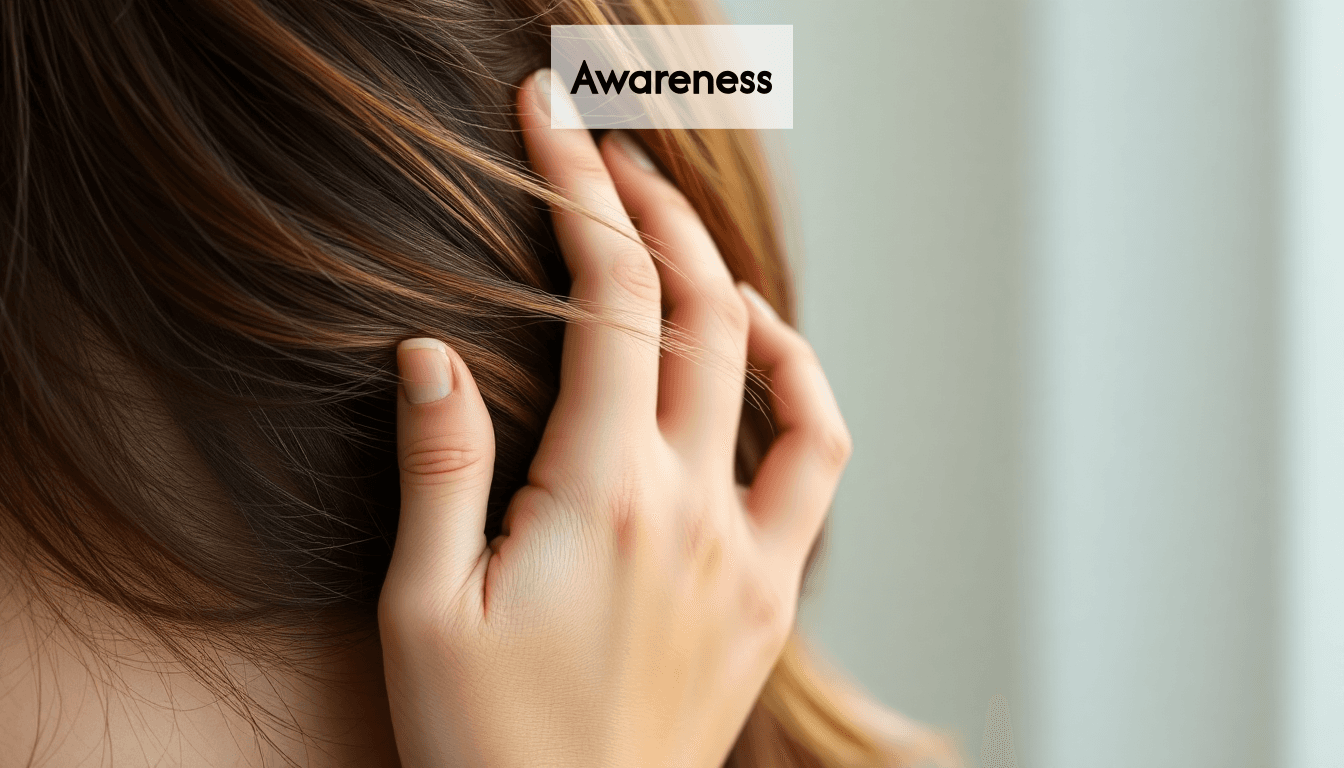
Understanding Perimenopause and Its Impact on Hair
Perimenopause marks the transitional phase before menopause, typically beginning in a woman's 40s. During this time, fluctuating hormone levels—particularly declining estrogen and progesterone—directly affect hair growth cycles and follicle health.
These hormonal shifts trigger several changes to hair structure and growth:
- Slower growth rates as follicles spend less time in the active growth phase
- Reduced hair diameter, making each strand progressively thinner
- Increased shedding as more follicles enter the resting phase simultaneously
- Changes in hair texture, often becoming drier and more brittle
A 2021 study published in the International Journal of Women's Dermatology found that up to 40% of women experience noticeable hair thinning during perimenopause, with the frontal hairline and crown areas most commonly affected.
The impact extends beyond physical changes—many women report significant emotional distress related to perimenopause hair loss. Understanding this connection between hormonal fluctuations and hair thinning provides the foundation for developing effective management strategies. Recognizing these patterns early allows for more successful intervention before significant thinning occurs.
Key Takeaways
| Key Point | Details |
|---|---|
| Hormonal Changes Impact Hair | Declining estrogen and progesterone levels during perimenopause lead to slower hair growth, thinner strands, and increased shedding. |
| High Prevalence of Thinning | Up to 40% of women experience noticeable hair thinning during perimenopause, particularly at the frontal hairline and crown. |
| Emotional Effects | Hair loss during perimenopause can lead to significant emotional distress, emphasizing the importance of early recognition and intervention. |
Hormonal Shifts: What Causes Perimenopause Hair Loss?
Perimenopause hair loss stems primarily from the dramatic hormonal restructuring that occurs during this transitional phase. Estrogen, which helps extend the growth phase of hair follicles, begins declining irregularly. This hormonal decline creates a domino effect on hair health in several ways:
- Rising androgen levels become more dominant in relation to decreased estrogen
- Testosterone converts to dihydrotestosterone (DHT), which shrinks follicles
- Progesterone reduction removes the natural counterbalance to testosterone
- Cortisol often increases due to perimenopause-related stress, further compromising hair growth
Research from the Cleveland Clinic indicates that approximately 50% of women will experience some degree of hair thinning or loss by age 50, with perimenopause being a primary trigger point. The pattern typically manifests as diffuse thinning rather than complete baldness in specific areas.
While genetics significantly influence susceptibility to perimenopause hair loss, even women without family histories of female pattern hair loss may experience thinning due to these comprehensive hormonal shifts. The cumulative effect gradually alters the hair growth cycle, creating the progressive thinning that characterizes perimenopause-related hair changes.
Effective Prevention and Treatment Strategies for Perimenopause Hair Loss
Addressing perimenopause hair loss requires a multi-faceted approach targeting both hormonal balance and direct hair follicle support. These evidence-based strategies have shown measurable results in combating thinning hair during perimenopause:
- Topical minoxidil (2-5%): Clinical studies demonstrate that 60% of women using 2% minoxidil experience moderate hair regrowth within 12 months
- Hormone replacement therapy (HRT): Stabilizes estrogen and progesterone levels when prescribed specifically for hair concerns
- Platelet-rich plasma (PRP) treatments: Utilizes growth factors from your own blood to stimulate follicle regeneration
- Low-level laser therapy: FDA-cleared devices produce 20-25% increased hair density in controlled trials
- Anti-androgen medications: Spironolactone and finasteride can block DHT when prescribed by specialists
Dr. Elizabeth Hughes, endocrinologist at Mayo Clinic, notes: "Prevention ideally begins before significant hair loss occurs. Women noticing increased shedding should seek evaluation promptly rather than waiting for obvious thinning."
Nutritional interventions also play a critical role, with iron, vitamin D, zinc, and B-vitamin deficiencies all linked to perimenopause hair thinning. A comprehensive blood panel can identify specific deficiencies requiring supplementation. Starting these interventions early in perimenopause yields significantly better outcomes than delayed treatment.
Natural Remedies & Lifestyle Changes to Support Hair Health
Beyond medical interventions, specific lifestyle modifications can significantly impact hair health during perimenopause. Research shows these natural approaches complement conventional treatments and may provide measurable benefits:
- Anti-inflammatory diet rich in omega-3 fatty acids, which reduced hair shedding by 30% in a 2022 study of perimenopausal women
- Stress management techniques (yoga, meditation, progressive relaxation) that lower cortisol levels impacting hair growth
- Regular, moderate exercise to improve circulation to hair follicles
- Rosemary oil applications, shown in clinical studies to match 2% minoxidil efficacy after 6 months
- Scalp massage for 4 minutes daily to stimulate blood flow and follicle health
Nutritional support specifically targeting hair thinning during perimenopause should focus on key nutrients with research-backed benefits. A 6-month trial published in the Journal of Dermatology demonstrated that perimenopausal women supplementing with a combination of iron, zinc, vitamin D, and B-vitamins experienced 18% less shedding and improved hair diameter measurements.
Eliminating harsh hair treatments containing parabens, sulfates, and formaldehyde also prevents further damage to already vulnerable follicles. Additionally, using silk pillowcases reduces friction that breaks thinning perimenopause hair shafts, preserving length and volume while hair recovers.
Your Top Questions Answered: Managing Perimenopause Hair Loss
Common questions about perimenopause hair loss reveal widespread concerns and misconceptions. Here are evidence-based answers to the most frequently asked questions:
Is perimenopause hair loss permanent? No, not necessarily. When treated promptly, much of the hair thinning associated with perimenopause can be halted or reversed. A clinical review in the Journal of Clinical and Aesthetic Dermatology found that 83% of women who began treatment within one year of noticing thinning experienced significant regrowth.
How long does perimenopause hair shedding last? Without intervention, hair shedding typically continues throughout perimenopause and into menopause. The average perimenopause duration spans 4-8 years, with shedding often peaking during the middle phase when hormonal fluctuations are most erratic.
Can diet really impact perimenopause hair loss? Yes. Research from Tufts University demonstrates that women following anti-inflammatory Mediterranean-style diets experienced 22% less perimenopause-related hair thinning compared to control groups.
Will biotin supplements stop perimenopause hair thinning? Biotin supplementation only helps when there's an existing deficiency, which is rare. A more comprehensive approach addressing hormonal balance shows better results for most women experiencing perimenopause hair loss.
The most effective approach combines early intervention, consistent treatment application, and addressing underlying hormonal shifts rather than focusing solely on cosmetic solutions.
Frequently Asked Questions
Is perimenopause hair loss permanent?
No, not necessarily. When treated promptly, much of the hair thinning associated with perimenopause can be halted or reversed, with significant regrowth seen in many women.
How long does perimenopause hair shedding last?
Hair shedding typically continues throughout perimenopause, which usually lasts 4-8 years. Shedding often peaks during mid-perimenopause due to hormonal fluctuations.
Can diet really impact perimenopause hair loss?
Yes, following an anti-inflammatory Mediterranean-style diet can significantly reduce perimenopause-related hair thinning, according to research.
Will biotin supplements stop perimenopause hair thinning?
Biotin is effective only if there is a deficiency, which is rare. A comprehensive approach that addresses hormonal balance yields better results for those experiencing hair loss during perimenopause.
Unlock the Secrets to Thicker, Healthier Hair Today!
Don't let perimenopause hair loss dictate how you feel about yourself! As highlighted in our recent article, fluctuating hormone levels can lead to thinning hair and emotional distress for many women. But there's hope! Discovering the right solutions early can transform your hair health journey.
At Myhair.ai, we offer AI-powered hair health analysis that tailors recommendations specifically for your unique needs. Our innovative platform allows you to upload images of your hair and receive personalized evaluations that track hair count, diagnose conditions, and forecast hair growth or loss.
Why wait to regain your confidence? Start your hair care transformation now! Visit Myhair.ai to discover customized products and consultation services that can help you combat hair loss effectively. Let’s bring back the luscious locks you deserve!