
AI-powered hair analysis is transforming how we approach hair loss treatment. Recent clinical trials demonstrate that AI-personalized regimens reduce shedding by over 30%, a remarkable improvement over traditional one-size-fits-all approaches. While conventional treatments like minoxidil and finasteride remain effective, they often fail to address individual scalp conditions, hair types, and specific loss patterns. This comprehensive guide explores how AI technology creates customized hair regimens, compares them with established therapies, and shows you practical tools for tracking your progress toward healthier hair.
Table of Contents
- Key Takeaways
- Understanding AI-personalized hair regimens
- Comparing traditional combination therapies with AI-enhanced regimens
- Using AI apps and technology to track and optimize your hair regimen
- Addressing challenges and tailoring your hair regimen for complex cases
- Explore AI-powered hair care solutions with MyHair
- Frequently asked questions
Key Takeaways
| Point | Details |
|---|---|
| AI personalized regimens | AI analyzes scalp images and questionnaires to tailor combinations of topical serums, shampoos, oral supplements, and peptides to address multiple hair loss mechanisms. |
| Shedding reduction | Clinical trials show AI guided regimens reduce hair shedding by more than 30 percent compared with traditional one size fits all approaches. |
| Combination therapies outperform | Evidence indicates AI guided combination regimens outperform single therapies in hair loss management. |
| AI plus clinician guidance | The most successful regimens pair AI recommendations with professional medical oversight to maximize safety and effectiveness. |
| At home tracking | AI enables at home scalp assessment and regimen tracking without geographic or cost barriers. |
Understanding AI-personalized hair regimens
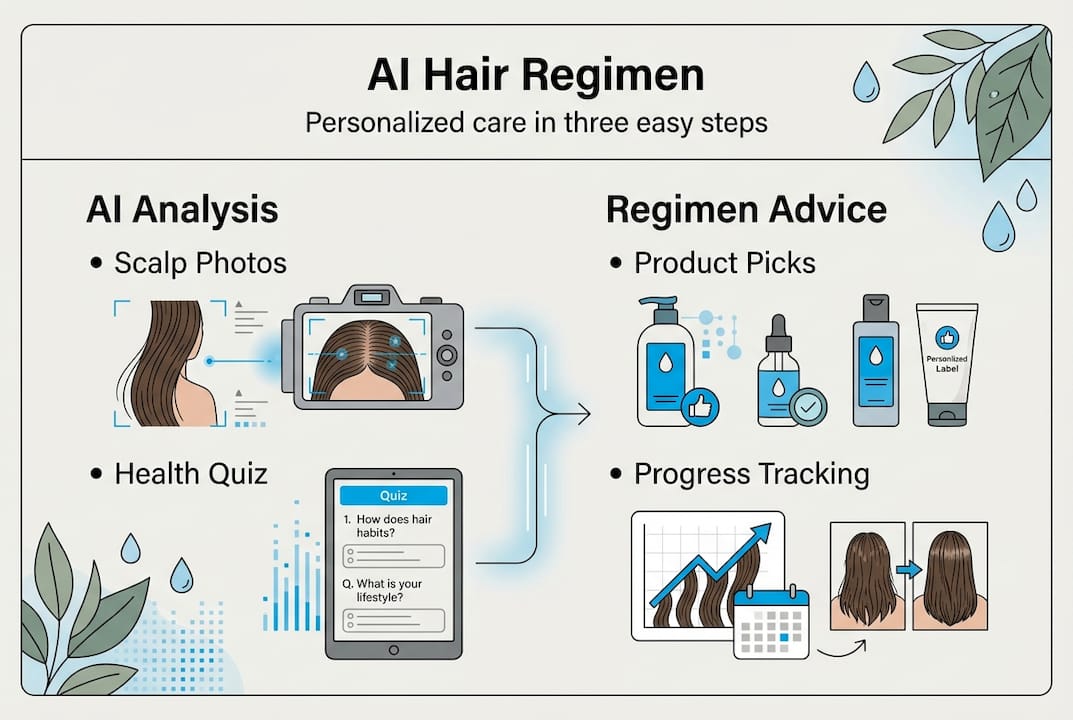
Artificial intelligence has revolutionized hair loss treatment by moving beyond generic solutions. AI platforms analyze scalp images and questionnaires to recommend specific combinations of topical serums, shampoos, oral supplements, and collagen peptides that target multiple hair loss mechanisms simultaneously. This multi-pronged approach addresses inflammation, follicle miniaturization, nutrient deficiencies, and hormonal factors in ways that single treatments cannot.
The technology works by processing high-resolution scalp photographs through deep learning algorithms trained on thousands of hair loss cases. These systems identify patterns invisible to the naked eye, including follicle density variations, scalp inflammation markers, and hair shaft diameter changes. Combined with questionnaire data about medical history, lifestyle factors, and previous treatment responses, AI generates a comprehensive hair health profile.
Key advantages of AI-personalized regimens include:
- Targeting multiple hair loss pathways simultaneously for synergistic effects
- Adjusting product concentrations based on scalp sensitivity and response patterns
- Identifying contraindications before recommending potentially harmful combinations
- Providing at-home assessment that eliminates geographic and cost barriers
- Enabling continuous regimen optimization as hair conditions evolve
Pro Tip: Take scalp photos in consistent lighting conditions at the same time each day. Morning natural light near a window produces the most accurate AI analysis results.
This democratization of hair care expertise represents a fundamental shift in treatment accessibility. Previously, comprehensive hair analysis required expensive clinic visits and specialist consultations. Now, AI-powered hair analysis delivers comparable insights through smartphone technology, making personalized hair care with AI available to anyone with a camera phone.
"The future of hair loss treatment lies not in discovering new miracle ingredients, but in precisely matching existing proven therapies to individual biological profiles."
The most successful regimens combine AI recommendations with professional medical guidance. While AI excels at pattern recognition and data analysis, dermatologists provide essential context about underlying medical conditions, medication interactions, and treatment expectations. This collaborative approach, integrating a thoughtful hair care routine for hair fall, maximizes both safety and effectiveness.
Comparing traditional combination therapies with AI-enhanced regimens
Established medical treatments for androgenetic alopecia follow well-researched protocols. Topical minoxidil 5% twice daily combined with oral finasteride 1mg daily remains the gold standard for men, while women typically use minoxidil 2%. These treatments require patience, with initial shedding expected and visible results appearing after 2 to 4 months of consistent use.
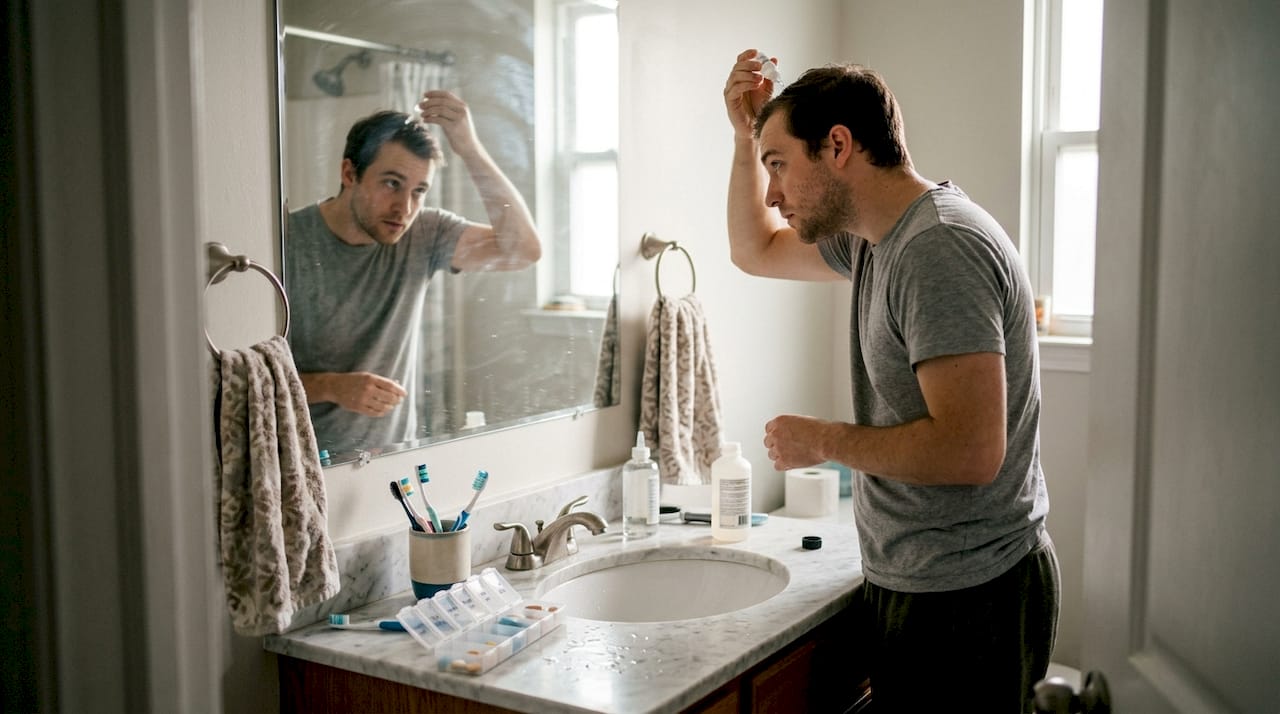
Clinical evidence strongly supports combination approaches. In a study of 200 patients with non-scarring alopecia, combination therapies showed superior SALT score improvements compared to single-treatment protocols. Patients using multiple interventions experienced faster regrowth, better coverage density, and higher satisfaction rates than those relying on monotherapy alone.
Emerging treatments continue expanding therapeutic options. Growth factor concentrate therapy has gained attention after a randomized controlled trial of 60 participants demonstrated that GFC outperformed PRP in hair count increases, hair thickness improvements, and overall patient satisfaction. These advanced treatments work synergistically with topical and oral medications when properly sequenced.
| Treatment Type | Mechanism | Typical Timeline | Best Candidates |
|---|---|---|---|
| Minoxidil topical | Increases blood flow, extends growth phase | 2-4 months | Early to moderate pattern loss |
| Finasteride oral | Blocks DHT hormone conversion | 3-6 months | Men with androgenetic alopecia |
| GFC injections | Delivers concentrated growth factors | 1-3 months | Moderate loss, good scalp health |
| AI-personalized combos | Multi-pathway targeting | 1-3 months | All types seeking optimization |
AI enhances these proven treatments by identifying optimal combinations and timing. Rather than replacing traditional hair loss therapies, artificial intelligence helps determine which patients benefit most from specific protocols. For example, AI analysis might reveal that someone with significant scalp inflammation requires anti-inflammatory treatments before starting minoxidil, preventing poor response rates and unnecessary side effects.
Common treatment considerations include:
- Starting with lower concentrations for sensitive scalps, then increasing gradually
- Combining topical and oral treatments for complementary mechanisms
- Adding nutritional supplements when deficiencies appear in analysis
- Scheduling advanced treatments like GFC during active growth phases
- Monitoring for side effects that indicate regimen adjustment needs
Pro Tip: Document any unusual shedding, itching, or scalp changes in a daily log. This data helps both AI systems and dermatologists fine-tune your regimen faster than relying on memory alone.
The synergy between AI precision and established medical treatments creates personalized hair fall prevention routines that outperform either approach alone. By leveraging research on hair loss treatments, AI platforms identify which proven therapies match your specific hair loss pattern, maximizing effectiveness while minimizing trial and error.
Using AI apps and technology to track and optimize your hair regimen
Modern AI applications transform smartphones into sophisticated hair analysis laboratories. Apps enable daily scalp scanning, density tracking, and Norwood scale classification with accuracy approaching clinical assessments. These tools provide side-by-side photo comparisons that reveal subtle changes invisible during daily mirror checks, helping users maintain motivation during the slow regrowth process.
Effective tracking requires systematic documentation. Follow these steps for optimal results:
- Photograph your scalp from identical angles each session, using reference points like ear position
- Maintain consistent lighting by choosing the same location and time daily
- Upload images to your tracking app immediately to prevent missed sessions
- Review weekly comparison galleries to identify trends obscured by day-to-day variations
- Set calendar reminders for treatment applications to maintain regimen adherence
- Log any product changes, stressors, or health events that might affect results
AI-driven progress monitoring offers several distinct advantages. The technology detects density changes as small as 5%, far below human visual perception thresholds. Automated Norwood scale grading provides objective severity tracking that eliminates subjective bias. Treatment reminders improve adherence rates, which directly correlates with outcome success in clinical studies.
Key features to prioritize in hair tracking apps:
- High-resolution image capture with scalp area measurement tools
- Automated hair count algorithms that quantify follicle density changes
- Historical trend graphs showing growth velocity over weeks and months
- Customizable reminder schedules for medications, supplements, and topical applications
- Secure cloud storage protecting your progress photos and health data
- Export functions for sharing comprehensive reports with dermatologists
Pro Tip: Create a dedicated tracking routine by linking it to an existing habit. Many users successfully photograph their scalp immediately after brushing their teeth each morning, ensuring consistency without requiring willpower.
The democratization of expert-level evaluation through personalized hair care apps comparison means you no longer need expensive clinic visits for progress assessment. Instead, hair analysis onboarding guide resources help you establish professional-grade tracking systems at home. For those seeking comprehensive solutions, reviewing the best hair growth trackers of 2026 reveals platforms offering advanced AI analysis combined with treatment recommendations.
Consistent tracking reveals patterns that inform regimen adjustments. You might discover that stress events trigger temporary shedding, or that seasonal changes affect growth rates. This data-driven approach replaces guesswork with evidence, enabling precise optimization that accelerates your path to healthier hair.
Addressing challenges and tailoring your hair regimen for complex cases
Hair loss diagnosis requires distinguishing between multiple distinct conditions. Telogen effluvium involves temporary widespread shedding triggered by stress, illness, or nutritional deficits. Alopecia areata presents as patchy autoimmune hair loss requiring immunomodulatory treatments. Androgenetic alopecia follows predictable genetic patterns responding to hormonal interventions. Proper diagnosis prevents ineffective treatment choices, such as using minoxidil monotherapy for extensive alopecia areata cases where it provides minimal benefit.
Initial shedding with minoxidil treatment alarms many users but represents normal physiology. The medication shifts dormant follicles into active growth, causing weak existing hairs to shed before stronger replacement hairs emerge. This temporary increase in hair loss typically peaks around week six and resolves by month three. Understanding this process prevents premature treatment discontinuation during the critical establishment phase.
Nutritional deficiencies frequently contribute to hair loss but require targeted assessment. Low ferritin levels impair follicle function even when hemoglobin remains normal, making standard anemia tests insufficient. Vitamin D deficiency correlates with multiple hair loss types and requires blood testing for accurate diagnosis. Supplementing without confirmed deficiencies wastes money and risks toxicity from fat-soluble vitamin accumulation.
Critical considerations for complex cases:
- Comprehensive blood work identifying thyroid disorders, iron status, and vitamin levels before treatment
- Scalp biopsy for uncertain diagnoses where treatment selection depends on precise pathology
- Medication review identifying drugs causing hair loss as a side effect
- Stress assessment addressing psychological factors that trigger or worsen shedding
- Combination approaches when multiple hair loss types coexist in the same patient
Pro Tip: If you experience persistent shedding beyond four months on a new regimen, consult a dermatologist rather than adjusting treatments independently. Prolonged shedding may indicate an underlying condition requiring medical intervention beyond topical or supplement therapies.
AI systems excel at pattern recognition but require human expertise for edge cases. While algorithms identify typical androgenetic alopecia with high accuracy, they may struggle with rare conditions or unusual presentations. The optimal approach combines AI screening for common patterns with dermatologist consultation for atypical cases, ensuring both efficiency and diagnostic accuracy.
Complex scenarios benefit from integrated care models. Hair loss research and insights inform evidence-based protocols, while AI analysis personalizes application to individual circumstances. This collaboration between technology and clinical expertise, supported by comprehensive hair fall prevention strategies, addresses challenging cases that neither approach handles effectively alone.
Explore AI-powered hair care solutions with MyHair
Ready to transform your hair care approach with personalized AI analysis? MyHair leverages cutting-edge technology to provide detailed hair health assessments tailored to your unique scalp conditions and loss patterns. Our platform combines the clinical research supporting AI effectiveness with user-friendly tools that make expert-level analysis accessible from your smartphone.
Getting started takes minutes through our streamlined hair analysis onboarding process. Simply capture scalp photos following our guided prompts, complete a brief questionnaire about your hair history and goals, and receive your personalized regimen recommendations. Our AI-powered hair analysis identifies specific concerns like follicle miniaturization, scalp inflammation, and density variations that generic treatments miss. Track your progress over weeks and months with automated comparison tools that reveal subtle improvements invisible to daily observation. Explore the MyHair research backing our platform to understand how AI technology bridges the gap between professional dermatological care and convenient at-home optimization.
Frequently asked questions
What is a hair regimen and why personalize it?
A hair regimen combines topical treatments, oral supplements, and care practices targeting hair loss and promoting growth. Personalization matters because hair loss stems from diverse causes including genetics, hormones, nutrition, and inflammation, each requiring specific interventions. Generic regimens waste time and money on ineffective products while missing treatments that address your particular loss mechanisms. AI personalization analyzes your scalp condition, hair type, and loss pattern to recommend targeted combinations proven effective for similar cases. This precision approach, detailed in our hair care routine for hair fall prevention, accelerates results by eliminating trial and error.
How does AI analyze and grade hair loss?
AI employs computer vision and deep learning algorithms trained on thousands of annotated scalp images to identify hair loss patterns and severity. The technology processes smartphone photos to measure follicle density, hair shaft diameter, scalp visibility, and inflammation markers. AI grading aligns 94% with dermatologist evaluations while providing instant results without appointment delays. Advanced systems classify loss using standardized scales like Norwood for men and Ludwig for women, enabling precise tracking over time. This AI hair loss grading technology democratizes expert assessment previously available only through expensive specialist consultations.
Are AI-personalized regimens more effective than traditional treatments?
AI-personalized regimens complement rather than replace traditional medical treatments. Clinical trials show AI-customized non-medicated treatments reduce shedding by over 30%, demonstrating significant benefits for accessible interventions. However, prescription medications like finasteride and minoxidil remain gold standard therapies for androgenetic alopecia due to extensive research proving efficacy. The optimal approach combines proven medical treatments with AI-optimized supportive care including targeted supplements, specialized shampoos, and lifestyle modifications. Review hair care research findings to understand how AI enhances treatment selection and timing for maximum effectiveness.
What should I do if I experience initial shedding?
Initial shedding when starting minoxidil or other growth-promoting treatments is normal and temporary. The medication shifts dormant follicles into active growth phase, causing weak existing hairs to shed before stronger replacements emerge. This process typically peaks around week six and resolves by month three as new growth becomes visible. Maintain consistent regimen adherence despite increased shedding, as discontinuation prevents the stronger regrowth phase from occurring. Document shedding patterns with photos to distinguish normal initial shedding from problematic prolonged loss requiring medical evaluation. Follow proven hair fall prevention protocol guidelines to support your scalp through this transition period with gentle handling and adequate nutrition.