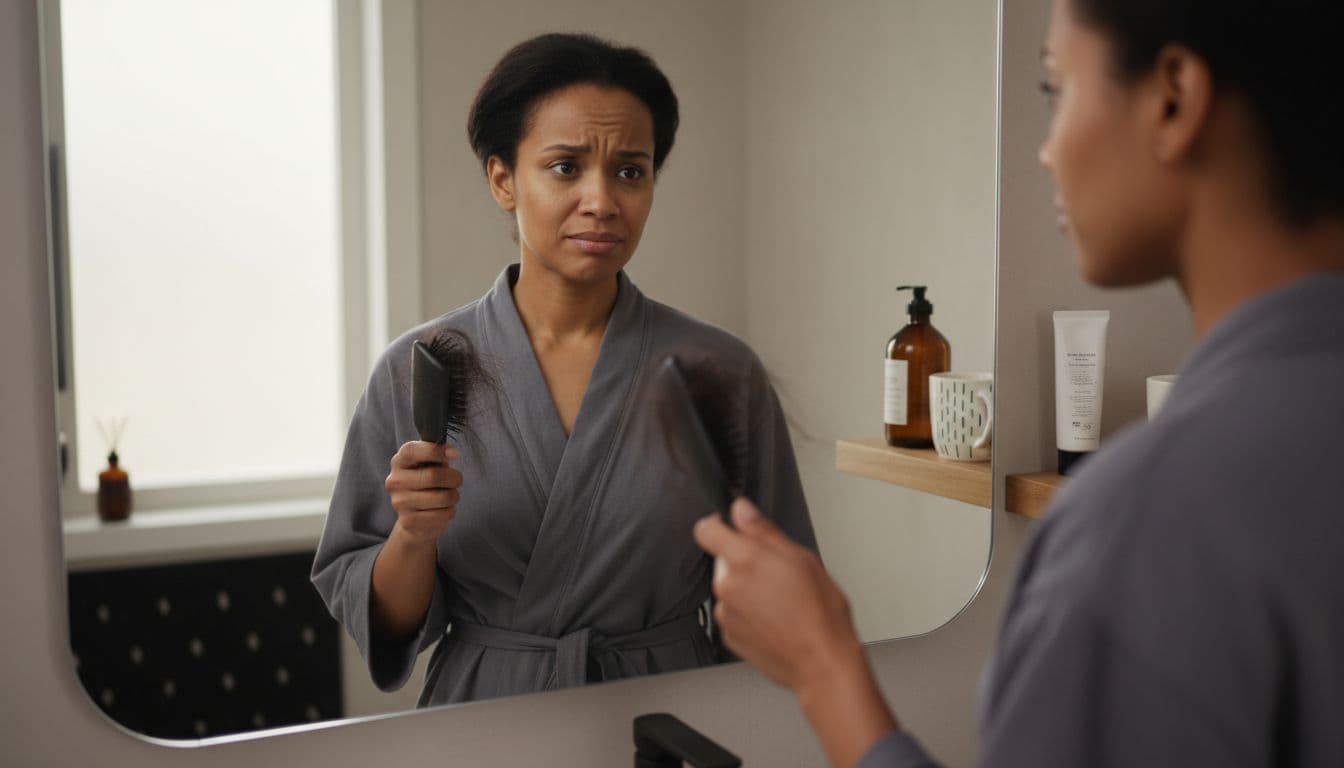
Nearly 90 percent of new mothers notice increased hair shedding a few months after childbirth, which often comes as an unwelcome surprise. Understanding why this happens can ease a lot of anxiety, especially when it feels as if every shower or brush brings more hair loss. In this guide, you'll find clear answers about postpartum hair loss, what to expect, and how to support healthy regrowth during this temporary but sometimes unsettling phase.
Table of Contents
- What is postpartum hair loss?
- Causes of Hair Loss After Pregnancy
- Typical Timeline and Symptom Progression
- Prevention and Support Strategies
- AI Tools for Tracking Hair Health
Key Takeaways
| Point | Details |
|---|---|
| Postpartum hair loss is common | Most women experience postpartum hair loss, known as telogen effluvium, typically starting around three months post-delivery due to hormonal changes. |
| Temporary shedding pattern | Increased hair shedding generally lasts 6 to 12 months after childbirth, after which hair typically returns to its normal growth cycle. |
| Supportive strategies | Focus on a nutrient-rich diet, gentle hair care, and consider professional treatments to support hair health during recovery. |
| Utilization of AI tools | Advanced AI tracking tools can provide personalized insights and emotional support, helping new mothers manage their postpartum hair health effectively. |
What Is Postpartum Hair Loss?
Postpartum hair loss is a completely normal yet often surprising phenomenon that many new mothers experience after childbirth. According to Hopkins Medicine, this condition, scientifically known as telogen effluvium, involves significant hair thinning or shedding that typically begins around three months after delivery.
During pregnancy, elevated hormone levels keep hair in a prolonged growth phase, resulting in thicker, fuller locks. However, after childbirth, these hormones dramatically drop, causing a significant number of hair follicles to simultaneously enter the resting phase. As Cleveland Clinic explains, this hormonal shift leads to increased shedding, with many women experiencing noticeable hair loss during this period.
The hair loss process is temporary and follows a predictable pattern. Most women will notice increased shedding for about 6 to 12 months postpartum, with hair gradually returning to its pre-pregnancy growth cycle. While this can be distressing, it's essential to understand that this is a natural biological response and not a sign of permanent hair loss.
Key characteristics of postpartum hair loss include:
- Begins approximately 3 months after delivery
- Involves widespread hair shedding
- Typically resolves within 6-12 months
- Occurs due to hormonal changes
- Affects most women to some degree
If you're experiencing significant hair loss or have concerns, consulting with a healthcare professional can provide personalized reassurance and guidance through this transitional period.
Causes of Hair Loss After Pregnancy
Understanding the root causes of postpartum hair loss can help new mothers navigate this challenging experience with more confidence. Hopkins Medicine highlights that the primary driver of this phenomenon is the dramatic drop in estrogen levels after childbirth, which fundamentally alters the hair growth cycle.
During pregnancy, elevated estrogen keeps hair in a prolonged growth phase, creating the lush, thick hair many women experience. However, after delivery, when hormone levels plummet, hair follicles suddenly shift from growth to shedding phase. As Cleveland Clinic explains, this hormonal fluctuation triggers what's scientifically known as telogen effluvium - a condition characterized by widespread hair shedding.
Multiple interconnected factors contribute to postpartum hair loss beyond hormonal changes:
- Physical stress of childbirth
- Emotional exhaustion and sleep deprivation
- Potential nutritional deficiencies
- Genetic predisposition
- Underlying health conditions
Interestingly, while the hair loss might seem alarming, it's a natural biological response.
Most women will experience hair returning to its normal growth pattern within 6-12 months. For those experiencing prolonged or excessive shedding, consulting a healthcare professional can help rule out any additional underlying health concerns.
To support hair health during this transition, focus on nutrition, stress management, and gentle hair care practices. stress hair loss remedy techniques can provide additional strategies for managing this temporary but challenging phase of postpartum recovery.
Typical Timeline and Symptom Progression
Hopkins Medicine provides clear insights into the typical progression of postpartum hair loss, revealing a predictable pattern that most new mothers experience. The timeline typically begins around three months after childbirth, coinciding with significant hormonal shifts and natural hair growth cycles.
A comprehensive study published in JAMA Dermatology offers more precise details, noting that hair loss begins between 8 and 16 weeks after delivery in nearly 89% of cases. Interestingly, the anterior scalp is most commonly affected, with 59.1% of women experiencing noticeable thinning in this region.
The symptom progression typically follows this pattern:
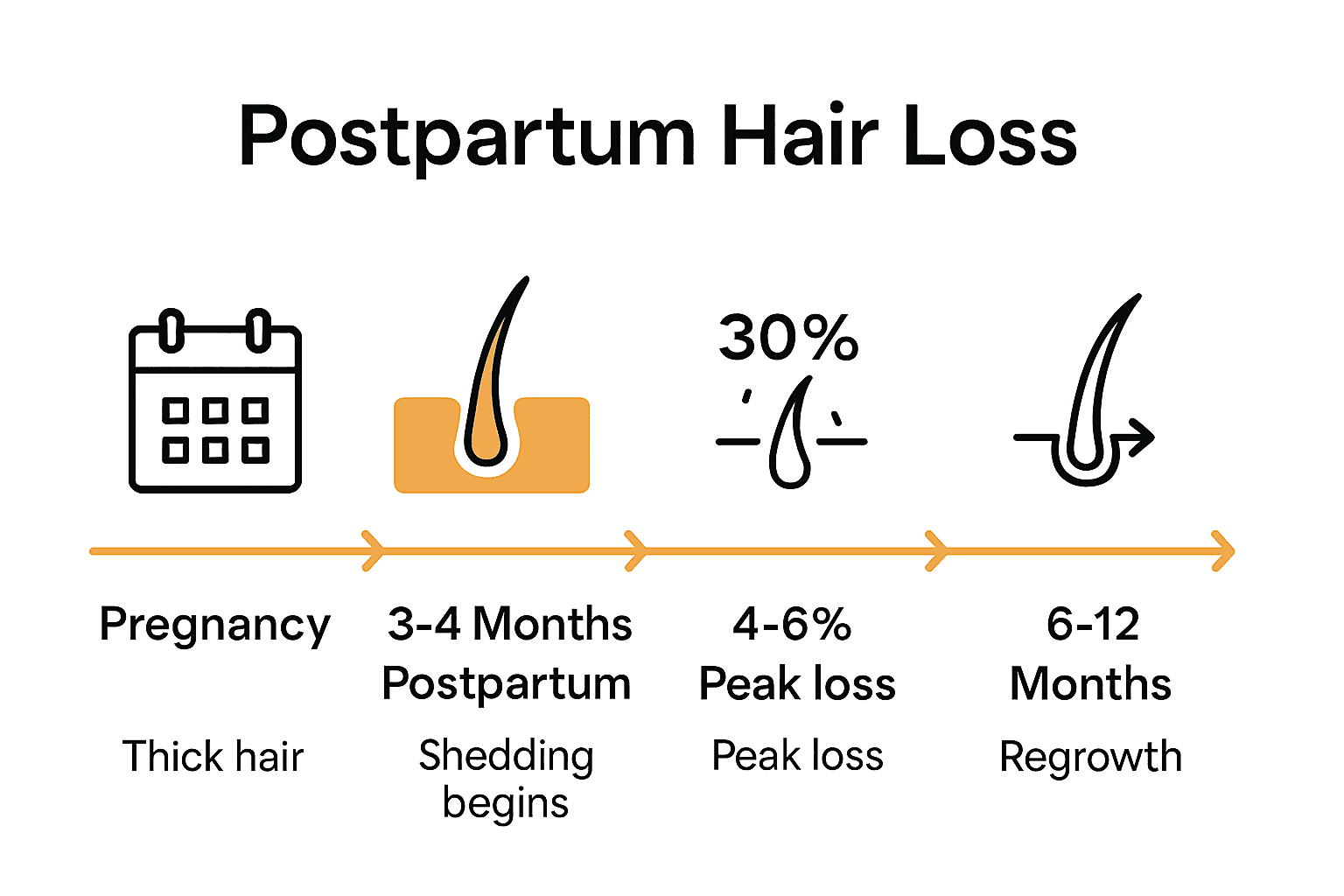
- Initial thick, luxurious hair during pregnancy
- Sudden hormone drop after delivery
- Hair shedding begins (3-4 months postpartum)
- Peak hair loss around 4-6 months
- Gradual hair regrowth and stabilization
Most women can expect a complete hair growth recovery within 6-12 months. The shedding might seem dramatic - with some women losing up to 300 hairs daily compared to the typical 50-100 hairs - but it's important to remember this is a natural, temporary process. Understanding hair loss patterns can help new mothers feel more confident and less anxious during this transitional period.
Prevention and Support Strategies
Hopkins Medicine recommends a holistic approach to managing postpartum hair loss, emphasizing the importance of nutrition, gentle hair care, and targeted treatments. The key is creating an environment that supports healthy hair growth while minimizing additional stress on your body during this delicate recovery period.
Nutritional strategies play a crucial role in supporting hair health. According to Cleveland Clinic, new mothers should focus on a nutrient-rich diet that includes:
- Protein-packed foods
- Iron-rich ingredients
- Omega-3 fatty acids
- Vitamin B complex
- Zinc and selenium
Practical hair care techniques can significantly minimize additional hair loss and support regrowth. These include:
- Using sulfate-free, volumizing shampoos
- Avoiding excessive heat styling
- Being gentle when brushing
- Using wide-toothed combs
- Minimizing tight hairstyles that cause tension
For mothers seeking additional support, professional treatments like scalp massages, biotin supplements, and low-level laser therapy can provide targeted assistance. Understanding stress-related hair loss can offer additional insights into managing this temporary condition and supporting overall hair health during the postpartum period.
AI Tools for Tracking Hair Health
Modern technology has revolutionized how new mothers can monitor and understand postpartum hair changes, with artificial intelligence offering unprecedented insights into hair health tracking. Advanced AI tools now provide personalized analysis that goes beyond traditional methods, allowing women to document and understand their unique hair loss journey with precision and clarity.
The core functionality of AI hair tracking tools typically includes:
- High-resolution hair and scalp scanning
- Computational growth pattern analysis
- Personalized hair health predictions
- Comparative tracking over time
- Recommendations based on individual data
These sophisticated systems leverage machine learning algorithms to analyze multiple factors, including hair density, scalp condition, and potential regrowth patterns. By uploading periodic scalp images, users can receive detailed assessments that help demystify the postpartum hair loss experience. Understanding hair analysis insights can provide additional context for interpreting these advanced diagnostic tools.
For postpartum women, AI tracking offers more than just numbers. It provides emotional support by transforming an often stressful experience into a data-driven, manageable journey. The ability to visualize hair changes, track progress, and receive personalized guidance can significantly reduce anxiety and help women feel more in control during this transformative period.
Take Control of Postpartum Hair Loss with Personalized AI Insights
Postpartum hair loss can feel overwhelming as you face sudden thinning and shedding due to hormonal shifts like telogen effluvium. You want to understand your unique hair growth pattern and find effective ways to support regrowth during this sensitive time. Tracking these changes and uncovering personalized solutions can ease anxiety and empower you with confidence.
Discover how AI-based hair health analysis from MyHair.ai can help you monitor postpartum hair loss through detailed scalp scans and personalized growth predictions. Our platform provides tailored product recommendations to support your hair recovery journey. Don’t wait until the shedding feels out of control. Visit MyHair.ai today, upload your first scan, and start receiving insights that make a difference now.
Frequently Asked Questions
What is postpartum hair loss?
Postpartum hair loss, scientifically known as telogen effluvium, is a condition where new mothers experience significant hair shedding typically starting around three months after childbirth due to hormonal changes.
What causes hair loss after pregnancy?
The primary cause of hair loss after pregnancy is the drop in estrogen levels following childbirth, which causes hair follicles to shift from the growth phase to the shedding phase. Physical stress, emotional exhaustion, and nutritional deficiencies may also contribute to this condition.
How long does postpartum hair loss last?
Most women will experience postpartum hair loss for about 6 to 12 months postpartum. Hair shedding usually begins around three months after delivery and gradually returns to a normal growth cycle over the following months.
What can I do to support hair health during this time?
To support hair health during postpartum hair loss, focus on a nutritious diet rich in proteins, iron, and omega-3 fatty acids. Additionally, adopt gentle hair care practices, avoid excessive heat styling, and consider professional treatments like scalp massages or biotin supplements.