Nearly 40 percent of men notice significant hair thinning before age 35, shattering the myth that balding waits for old age. If a receding hairline or sudden hair shedding feels like it came out of nowhere, you are not alone. Unraveling common misconceptions about premature balding helps reveal how genetics, hormones, nutrition, and stress can team up against your hair health and points toward practical steps to slow the process.
Key Takeaways
| Point | Details |
|---|---|
| Premature Balding Triggers | Hair loss can result from hormonal imbalances, nutritional deficiencies, lifestyle factors, and medical conditions, not just genetics. |
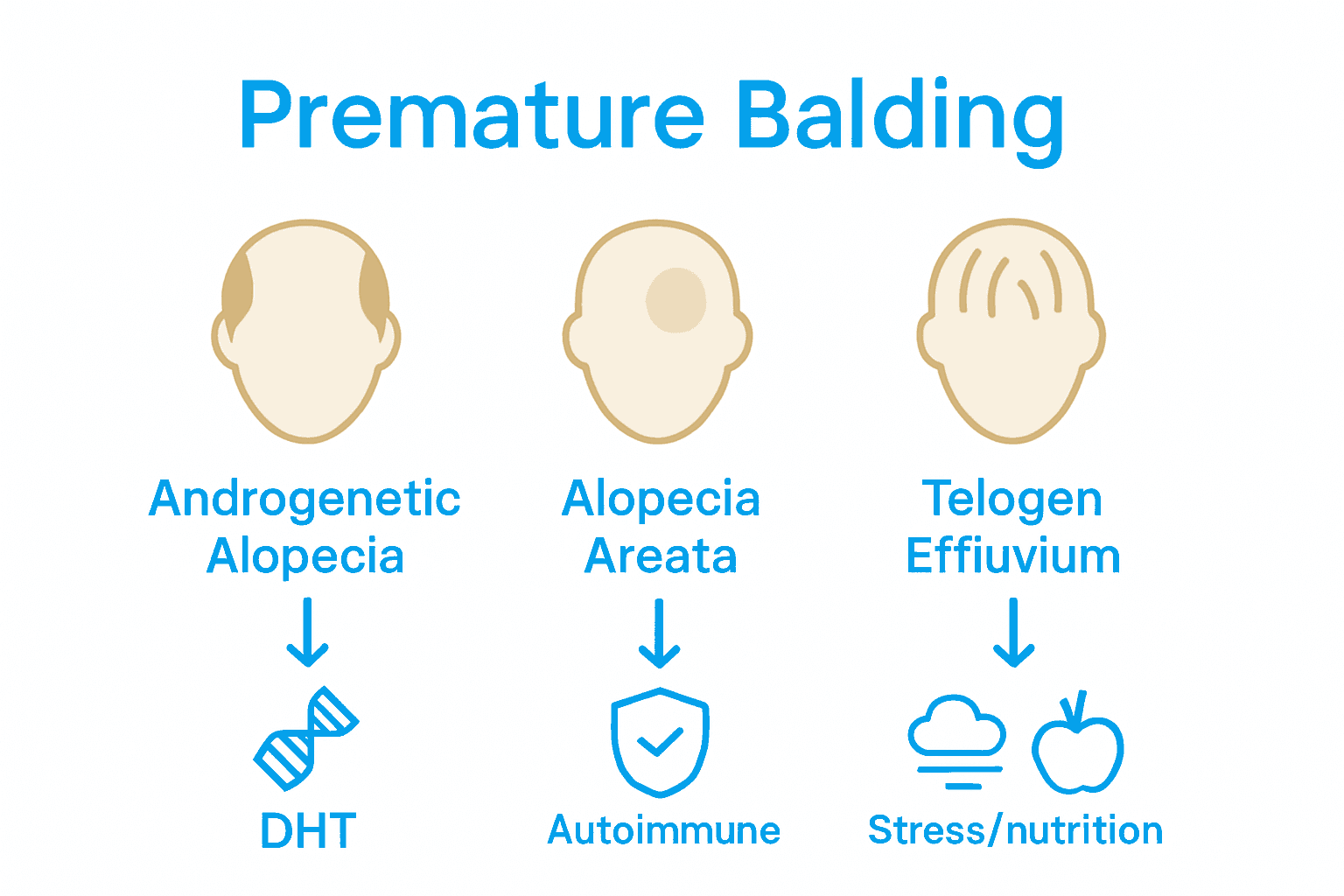
| Types of Hair Loss | Common types include Androgenetic Alopecia, Alopecia Areata, and Telogen Effluvium, each with distinct characteristics and triggers. |
| Diagnostic Techniques | Advanced diagnostic methods, including microscopic analysis and scalp biopsies, are essential for understanding hair loss causes. |
| Proactive Management | A combination of medical treatments and lifestyle adjustments is crucial for preventing and addressing premature balding. |
Table of Contents
- Defining Premature Balding and Core Myths
- Common Types and Distinguishing Features
- Key Causes And Risk Factors Explained
- Diagnosis and Hair Health Assessment Methods
- Treatment Options and Prevention Strategies
Defining Premature Balding and Core Myths
Balding isn't just an older man's concern anymore. Premature balding can strike surprisingly early, affecting individuals in their late teens, twenties, and thirties with complex underlying triggers beyond simple genetics. According to research from hair health experts, this condition emerges from a perfect storm of interconnected factors.
Contrary to popular belief, hair loss isn't predetermined by your family history alone. According to our comprehensive guide on genetic hair loss, multiple elements contribute to early hair thinning:
- Hormonal Imbalances: Elevated DHT levels or conditions like PCOS
- Nutritional Deficiencies: Lack of iron, protein, and essential nutrients
- Lifestyle Factors: High stress, poor sleep patterns, environmental pollution
- Medical Conditions: Thyroid disorders, autoimmune diseases
- External Influences: Certain medications, smoking, aggressive hairstyling
The most damaging myth? That you're powerless against hair loss. In reality, understanding these multifaceted causes empowers you to take proactive steps. Recognizing early signs, addressing nutritional gaps, managing stress, and seeking personalized analysis can significantly influence your hair health trajectory. Your genes might load the gun, but your lifestyle pulls the trigger.
Common Types and Distinguishing Features
Premature balding isn't a one-size-fits-all condition. Different hair loss patterns emerge based on underlying triggers, each with unique characteristics and progression. Understanding early male pattern baldness reveals the complexity of these variations.
Androgenetic Alopecia: The Genetic Culprit
This most common type of hair loss follows a predictable pattern, typically driven by DHT hormone sensitivity. Characterized by receding hairlines and crown thinning, it predominantly affects males and has a strong genetic component. Classic signs include:
- Gradual hair miniaturization
- Symmetrical hair loss pattern
- Increasing scalp visibility
- Hereditary progression
Alopecia Areata: The Autoimmune Challenge
Unlike other types, this condition creates distinctive coin-sized patches of hair loss. According to clinical observations, these patches exhibit unique diagnostic markers:
- Exclamation-mark hairs
- Yellow diagnostic dots
- Black dots indicating follicular damage
- Sudden, unpredictable onset
Telogen Effluvium: The Stress-Induced Shedding
Often triggered by significant life events, nutritional changes, or extreme stress, this type involves widespread hair shedding. Unlike patterned baldness, it's typically temporary and can reverse with proper intervention. Hallmark characteristics include sudden, diffuse thinning across the entire scalp and increased hair shedding during brushing or washing.
Here's a comparison of the characteristics of common premature balding types:
| Type | Key Features | Typical Triggers |
|---|---|---|
| Androgenetic Alopecia | Receding hairline<br>Crown thinning<br>Gradual<br>Hereditary pattern | Genetics<br>DHT sensitivity |
| Alopecia Areata | Patchy loss<br>Exclamation-mark hairs<br>Sudden onset | Autoimmune response |
| Telogen Effluvium | Diffuse thinning<br>Increased shedding<br>Rapid<br>Usually reversible | Stress<br>Nutritional changes |
Key Causes and Risk Factors ExplainedPremature balding emerges from a complex interplay of genetic, hormonal, and lifestyle factors. Understanding these triggers is crucial for developing targeted prevention and management strategies. Tracking your hair health journey can help you identify potential risk factors early.### Genetic and Hormonal FoundationsFamily history plays a significant role in hair loss, but it's not the sole determinant. Hormonal imbalances, particularly elevated dihydrotestosterone (DHT) levels, can accelerate hair follicle miniaturization. Key genetic and hormonal risk factors include:- Inherited sensitivity to DHT- Thyroid disorders- Polycystic ovary syndrome (PCOS)- Testosterone and estrogen fluctuations### Nutritional and Lifestyle TriggersYour daily habits dramatically impact hair health. Nutritional deficiencies and lifestyle choices can significantly contribute to premature balding:- Micronutrient Deficiencies: - Low iron levels - Insufficient zinc - Vitamin D depletion - Omega-3 fatty acid shortages- Lifestyle Stressors: - Chronic emotional stress - Poor sleep patterns - Environmental pollution exposure - Smoking - Crash dieting### Environmental and Medical ComplicationsExternal factors and underlying medical conditions can accelerate hair loss. Unexpected triggers like tight hairstyles, blue light exposure, and certain medications can compromise hair follicle health. Medical conditions such as autoimmune disorders and scalp infections further complicate hair preservation efforts.

Diagnosis and Hair Health Assessment Methods
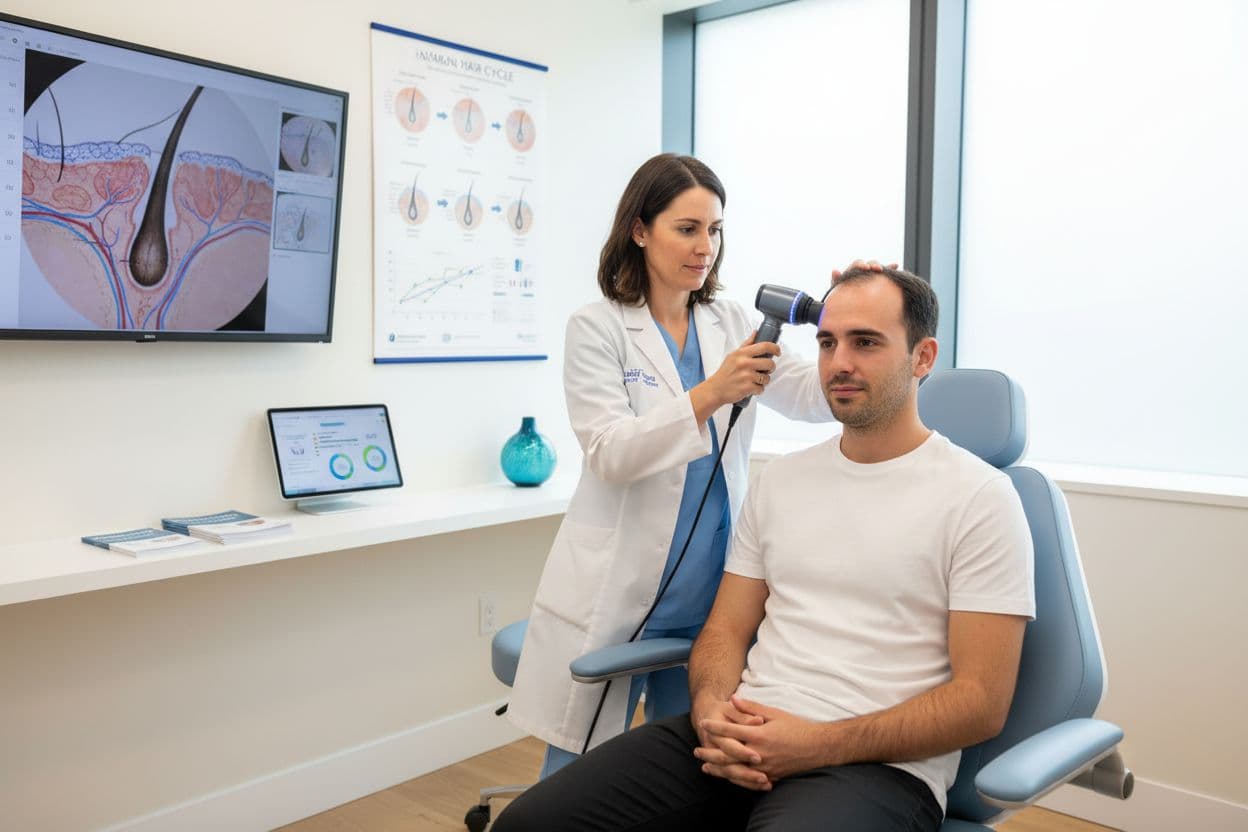
Understanding the complexity of premature balding requires sophisticated diagnostic approaches. Advanced hair analysis techniques have revolutionized our ability to pinpoint and track hair health with unprecedented precision.
Non-Invasive Assessment Techniques
Clinical evaluation starts with simple yet informative methods that provide initial insights into hair loss patterns:
- Pull Test: Assesses hair shedding by gently pulling hair strands
- Positive result: More than six hairs extracted
- Indicates potential abnormal hair loss
- Daily Hair Count: Tracking hair shed during washing and brushing
- Phototrichogram: Advanced imaging technique capturing hair density and growth
Advanced Diagnostic Methods
For a more comprehensive understanding, healthcare professionals employ more detailed examination techniques:
-
Microscopic Hair Analysis
- Evaluates individual hair shaft characteristics
- Determines hair growth phase
- Identifies structural abnormalities
-
Scalp Biopsy: The Gold Standard
- Minimally invasive punch biopsy
- Distinguishes between cicatricial and non-cicatricial alopecias
- Provides definitive diagnostic insights
These sophisticated assessment methods transform hair loss from a mysterious condition to a manageable health challenge, offering personalized insights into your unique hair health profile.
Treatment Options and Prevention Strategies
Tackling premature balding requires a multifaceted approach combining targeted medical interventions and proactive lifestyle modifications. Explore the latest hair treatment solutions to understand your personalized path forward.
Medical Treatment Approaches
Hair loss treatments vary significantly depending on the underlying cause. For specific conditions like alopecia areata, medical professionals recommend:
- Intralesional steroid injections
- Systemic steroid treatments
- Topical immunotherapy techniques
For telogen effluvium, the strategy focuses on addressing root causes:
- Iron supplementation
- Hormonal balance correction
- Nutritional therapy
Preventative Lifestyle Strategies
Proactive hair health maintenance involves comprehensive lifestyle adjustments:
Nutritional Foundations:
- Diet rich in biotin
- High omega-3 fatty acids
- Adequate iron intake
- Vitamin C and protein supplementation
Protective Practices:
- Stress management techniques
- Gentle hair care routines
- Avoiding crash diets
- Minimizing harsh styling practices
- Prioritizing quality sleep
Emerging Treatment Horizons
Cutting-edge research suggests future treatments might target:
- Follicle stem cell regeneration
- Specific molecular pathway interventions
- Personalized genetic treatment approaches
Remember, early intervention and holistic management are your best defense against premature balding.
Take Control of Premature Balding With Personalized AI Solutions
Have you noticed the early signs of thinning or the frustration of unexplained hair loss despite your best efforts? If you are worried about premature balding and overwhelmed by myths, remember you are not powerless. The article highlights how a mix of genetics, hormones, and lifestyle factors shapes your hair health. Now is the time to discover real answers. Explore tailored treatment solutions or learn more about advanced hair analysis techniques to put yourself ahead of the problem.
Imagine using advanced AI to understand your unique hair patterns and get product recommendations for your specific needs. MyHair.ai can decode your hair changes and give you a customized plan to slow or even reverse premature balding. Don't wait until hair loss feels irreversible. Upload your scan, unlock clear insights, and take your next confident step toward healthier hair right now.
Frequently Asked Questions
What are the main causes of premature balding?
Premature balding can be caused by a combination of hormonal imbalances, nutritional deficiencies, lifestyle factors, medical conditions, and external influences. Key contributors include elevated DHT levels, stress, poor sleep, and certain medical conditions like thyroid disorders.
How can I manage premature balding effectively?
Managing premature balding involves a multifaceted approach, including addressing nutritional deficiencies, reducing stress, and possibly undergoing medical treatments such as steroid injections or nutritional therapy, depending on the type of balding.
What lifestyle changes can help prevent premature balding?
Adopting a diet rich in essential nutrients like biotin, omega-3 fatty acids, and iron, alongside stress management techniques, gentle haircare routines, and proper sleep can significantly contribute to preventing premature balding.
What are the types of premature balding, and how can I identify them?
Common types of premature balding include androgenetic alopecia, characterized by receding hairlines; alopecia areata, which causes patchy hair loss; and telogen effluvium, marked by diffuse hair shedding. Each type has distinct features and triggers that help in identification.