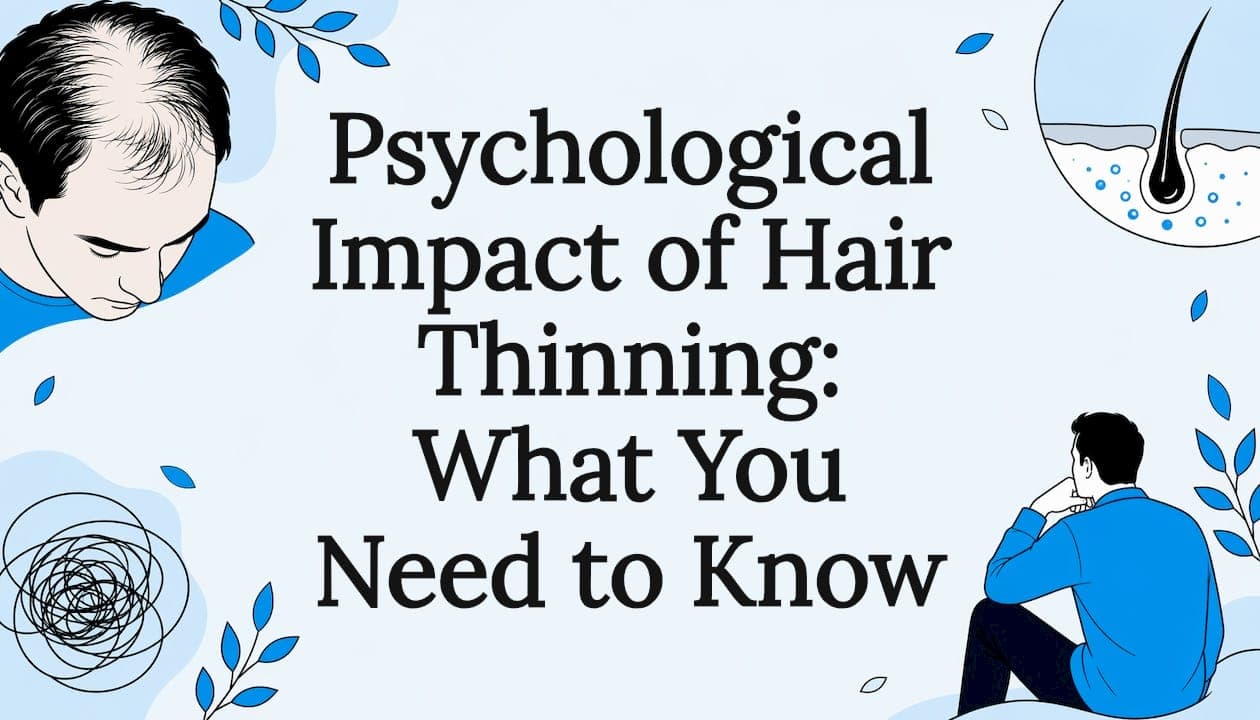
TL;DR:
- Hair thinning causes significant emotional distress, affecting self-esteem, social behavior, and identity for both men and women. Medical and psychological interventions, including self-compassion, improve mental health and help reclaim control over the condition. Recognizing and actively addressing the emotional impact of hair loss is essential for overall well-being.
Hair thinning is defined clinically as a measurable reduction in hair shaft diameter and follicle density, and its psychological impact reaches far beyond appearance. Research shows that 78% of women with alopecia report shame, anxiety, or depression linked directly to hair loss. Men face equally serious consequences, with 62% reporting negative self-esteem effects and only 10% seeking professional help. The psychological effects of hair loss touch identity, relationships, and daily functioning. Understanding these effects is the first step toward managing them.
1. What is the psychological impact of hair thinning?
The psychological impact of hair thinning is the measurable emotional and behavioral distress that follows visible hair loss. Clinicians use the term "psychodermatology" to describe the overlap between skin and scalp conditions and mental health. Hair thinning sits squarely in this field because its effects extend well past the scalp.

The emotional effects of thinning hair include anxiety about future loss, grief over changed appearance, and a persistent sense of losing control. These are not minor inconveniences. Psychiatrist Sylvia Karasu has stated that hair loss is emotional trauma that deserves biopsychosocial care, not dismissal as vanity. That framing matters because it validates what many people already feel but rarely hear confirmed by a professional.
2. Shame and depression hit hardest in women
Women with alopecia carry a disproportionate emotional burden. 85% report low self-esteem tied directly to hair loss, and 63% report career-related problems stemming from their condition. Those numbers reflect a condition that reshapes how a person moves through the world, not just how they look in a mirror.
Shame is the dominant emotion because hair carries strong gender associations in most cultures. Women who lose hair often feel they are failing a social expectation they never agreed to. That shame compounds into depression when the loss becomes visible to others and the person feels unable to control or hide it.
Pro Tip: If you notice your mood dropping consistently on days when your hair feels thinner or after washing, track those patterns. Connecting emotional dips to specific triggers is the first step a counselor will ask you to do anyway.
3. Men experience real distress too
The idea that men accept hair loss easily is a myth. 43% of men with hair loss worry about attractiveness, and 37% fear it signals aging. A full 22% report a negative effect on their social life. Yet only 10% seek professional help despite 21% experiencing clinical depression.
That gap between suffering and help-seeking is the real problem. Social norms push men to minimize appearance-related distress, which leaves the emotional effects of thinning hair unaddressed and compounding over time. Recognizing that hair loss affects men's mental health as seriously as women's is not a small point. It changes who gets care and when.
4. Social withdrawal becomes a pattern
Hair thinning does not just change how people feel privately. It changes what they do publicly. 41% of adults with hair loss avoided social events in the past month, and that figure rises to 58% for people under 30. Younger people face more social pressure around appearance, which makes avoidance a more immediate response.
Social withdrawal creates a feedback loop. Avoiding events reduces connection, which deepens isolation, which worsens depression. The hair thinning stages that progress visibly over months can push a person further into avoidance with each new change they notice.
5. Relationships and careers take measurable hits
Hair thinning strains relationships in specific, documented ways. People with low confidence about their appearance often pull back from physical intimacy, avoid new social connections, and interpret neutral reactions from others as negative judgment. That pattern damages both romantic and professional relationships over time.
Career effects are equally concrete. The 63% of women reporting career problems linked to hair loss are not describing vague dissatisfaction. They describe avoiding presentations, turning down promotions that require visibility, and feeling less authoritative in meetings. The confidence effects of hair thinning reach into professional identity as directly as personal identity.
6. Hair is tied to identity in ways that run deep
Hair signals gender, age, cultural belonging, and personal dignity across virtually every human society. When it disappears, the loss feels like more than a cosmetic change. It feels like losing a piece of who you are. That is not an exaggeration. It is a documented psychological response.
Historically, hair removal was used to dehumanize and punish people in concentration camps and in public shaming rituals after World War II. That history reveals how deeply hair is woven into human dignity and social standing. When hair loss happens involuntarily today, it activates some of the same feelings of exposure and loss of control.
| Identity dimension | How hair thinning disrupts it |
|---|---|
| Gender expression | Challenges norms tied to femininity or masculinity |
| Age perception | Accelerates perceived aging, often before the person feels "old" |
| Cultural belonging | Disrupts traditions where hair carries ritual or communal meaning |
| Personal control | Removes a feature people actively style and present to the world |
| Social visibility | Creates fear of being seen as sick, weak, or less capable |
7. Self-compassion is the most underused coping tool
Self-compassion reduces anxiety and depression symptoms in people with hair-related conditions. Higher self-compassion mediates the link between body shame and depression, cutting distress by a meaningful margin. The practice involves treating yourself with the same understanding you would offer a close friend facing the same situation.
Most people experiencing hair loss do the opposite. They criticize themselves for caring about appearance, then criticize themselves for not coping better. Breaking that cycle requires deliberate practice, not willpower. Mindfulness-based techniques, journaling, and structured self-compassion exercises from programs like Kristin Neff's work at the University of Texas are all evidence-backed starting points.
Pro Tip: When a negative thought about your hair appears, write it down and then write what you would say to a friend who had that same thought. The gap between the two responses shows you exactly where self-compassion needs to grow.
8. Medical interventions produce measurable psychological gains
Treating the physical cause of hair loss also treats the psychological effects. Hair transplantation studies report effect sizes of 1.30 to 1.85 for improvements in self-esteem and social satisfaction after the procedure. Those are large effect sizes by clinical standards. They confirm that hair restoration is not purely cosmetic when the psychological stakes are this high.
Non-surgical options including minoxidil, platelet-rich plasma therapy, and low-level laser therapy also show psychological benefits in studies, primarily because visible regrowth restores a sense of control. The act of doing something active about hair loss reduces helplessness, which is itself a driver of depression. Exploring hair treatment options early, before loss becomes severe, gives people more choices and more control.
9. Concealment helps, but it carries a cost
Wigs, hairpieces, and scalp concealers give many people a real confidence boost in social settings. Concealment boosts confidence but creates a secondary layer of anxiety about being discovered. Physical discomfort from wigs, including itchiness and heat, adds to daily stress. Some people eventually find that openness about their hair loss reduces anxiety more than concealment does.
The choice between concealment and openness is personal, and neither is wrong. What matters is whether the strategy reduces overall distress or adds to it. If concealment is consuming significant mental energy every day, that cost deserves honest evaluation.
"Concealment can feel like armor, but sometimes it becomes a cage. When the anxiety of being found out outweighs the confidence the wig provides, openness becomes the more freeing choice."
10. The healthcare system often fails people with hair loss
Providers frequently dismiss hair loss as vanity, leaving psychological care out of dermatology consultations entirely. Patients must often self-advocate to receive mental health referrals or even acknowledgment that their distress is valid. That gap in standard care means many people suffer longer than necessary.
The practical implication is clear. If your dermatologist has not asked about your emotional wellbeing, raise it yourself. Ask directly for a referral to a counselor who works with chronic skin or scalp conditions. Cognitive behavioral therapy adapted for body image concerns has strong evidence behind it. You should not have to wait for a provider to notice you are struggling.
For women specifically, female hair loss resources that address both the physical and emotional dimensions of the condition are available and worth seeking out proactively.
11. Reclaiming control changes the psychological experience
Regaining a sense of control over hair loss, even symbolically, shifts the psychological experience significantly. Some people choose to shave their heads preemptively when loss becomes visible. That act converts passive loss into an active decision, which restores agency and reduces the helplessness that drives depression. It is a strategy that works for some people and not others, but the underlying principle applies broadly.
Control can also come from tracking hair health over time, understanding the pattern of loss, and making informed decisions about treatment. When you understand what is happening and why, the experience becomes less threatening. Monitoring tools that show objective data about hair density and growth cycles give people a factual foundation instead of daily anxiety-driven guesswork.
Key takeaways
The psychological impact of hair thinning is a clinically documented condition that affects self-esteem, social behavior, and identity, and it responds to both psychological and medical intervention.
| Point | Details |
|---|---|
| Emotional distress is widespread | 78% of women with alopecia report shame, anxiety, or depression tied to hair loss. |
| Men are equally affected but less likely to seek help | 62% of men report self-esteem damage, yet only 10% pursue professional support. |
| Social withdrawal compounds the problem | Up to 58% of people under 30 avoid social events because of hair thinning. |
| Self-compassion reduces distress measurably | Practicing self-compassion mediates the link between body shame and depression. |
| Medical treatment improves mental health | Hair restoration interventions show effect sizes of 1.30–1.85 for self-esteem gains. |
What I've learned about the invisible weight of hair loss
I have spent years reading the research on hair loss and talking with people who live it. The thing that strikes me most is not the statistics. It is how consistently people apologize for caring. They say things like "I know it's just hair" before describing what sounds like genuine grief. That apology is the problem.
Hair is not "just" anything. It is one of the most visible and controllable parts of how we present ourselves to the world. Losing it involuntarily is a real loss, and treating it as trivial does not make the distress smaller. It just makes people feel worse for having it.
What I believe works is the combination of honest acknowledgment and active response. Sitting with the grief matters. So does doing something concrete, whether that is tracking your hair health, exploring treatment, practicing self-compassion, or finding a community of people who understand. Waiting for the distress to pass on its own rarely works. The people I have seen adapt best are the ones who treat their hair loss as a real problem worth real attention, not a vanity issue to be ashamed of.
The research backs that up. Self-compassion, medical intervention, and psychological support all produce measurable improvements. None of them require you to pretend you are fine with something that genuinely affects your life.
— Cyriac
Myhair's AI analysis gives you a clearer picture
Understanding what is actually happening with your hair removes a significant layer of anxiety. Myhair uses AI-powered analysis to give you a personalized hair score based on your scans, tracking changes over time so you can see objective data instead of relying on daily visual checks that fuel worry.
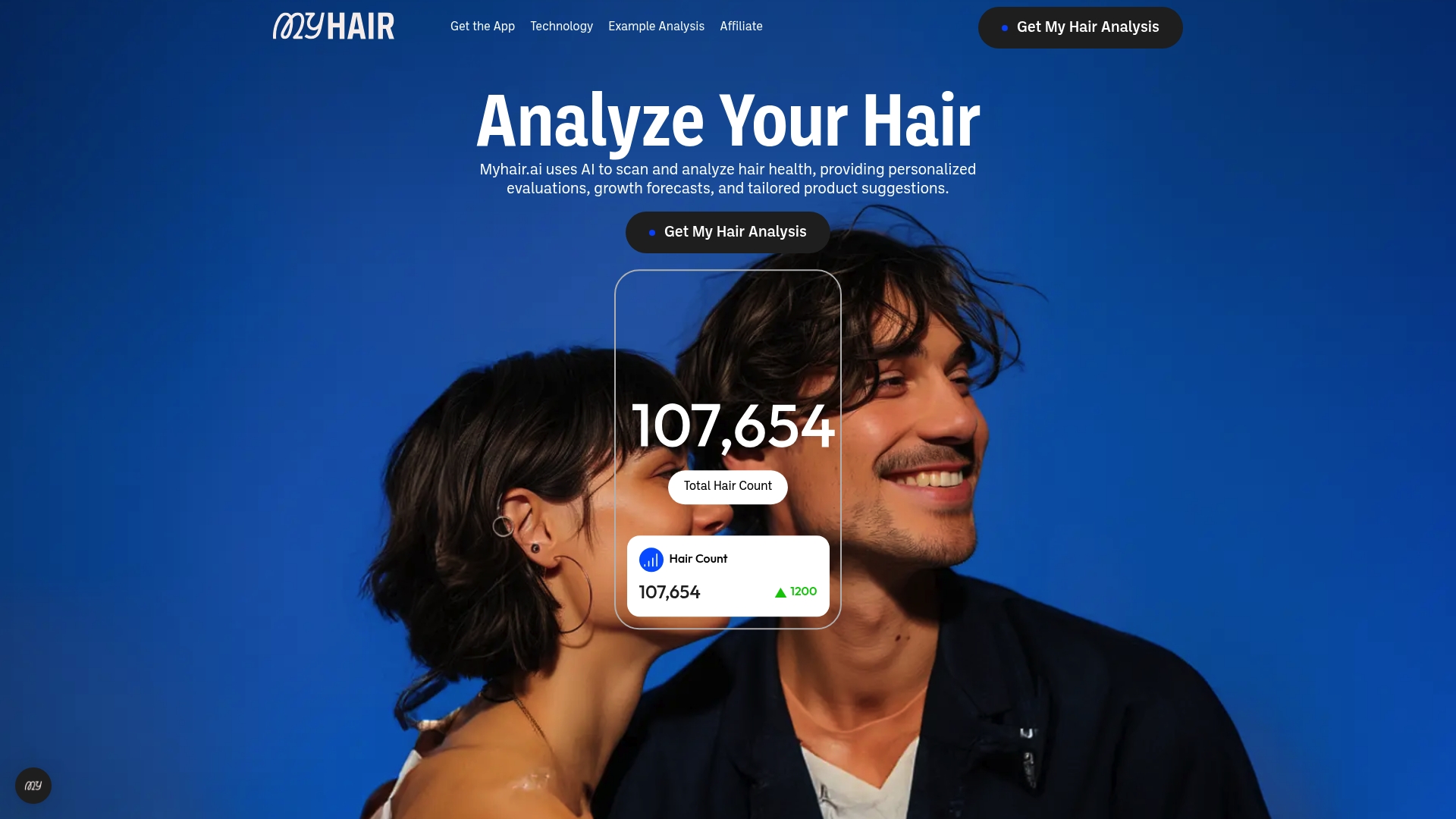
The AI hair analysis tool identifies patterns in hair density and scalp health, then generates tailored product recommendations based on your specific condition. For clinicians working with patients on hair thinning, clinic onboarding through Myhair integrates this data into patient care. Knowing your baseline and tracking your progress gives you the kind of control that research consistently links to lower anxiety and better outcomes.
FAQ
What percentage of people with hair loss experience depression?
21% of men with hair loss experience clinical depression, while 78% of women with alopecia report anxiety or depression. Both figures reflect a condition that goes well beyond cosmetic concern.
Does hair thinning affect career performance?
63% of women with alopecia report career-related problems linked to their hair loss, including avoiding visible roles and feeling less authoritative at work.
Can self-compassion actually reduce hair loss anxiety?
Self-compassion measurably reduces anxiety and depression in people with hair-related conditions by mediating the connection between body shame and psychological distress.
Should I ask my dermatologist about mental health support?
Providers frequently omit psychological care from hair loss consultations, so raising it yourself is often necessary. Ask directly for a referral to a counselor who specializes in body image or chronic skin conditions.
Does treating hair loss improve mental health?
Clinical studies show hair restoration interventions produce large effect sizes of 1.30–1.85 for self-esteem and social satisfaction, confirming that physical treatment has real psychological benefits.