Six things wreck a hair routine: shifting scalp oil production, altered porosity or protein-moisture balance, product and mineral buildup, damage from heat or chemicals, wrong washing or application habits, and hard water or internal factors like hormones and stress. The American Academy of Dermatology points to exactly this kind of shift as the real explanation when a product that used to work suddenly doesn't. Your shampoo didn't get worse. Your hair changed.
Here's the fast triage:
- Scalp too oily or flaky? Try a scalp-focused cleanser before touching your conditioner routine.
- Hair feels waxy or won't hold curl? Clarify once, then rebuild.
- Snapping, straw-like strands? Cut heat immediately and check your last chemical service date.
- Products feel "off" after moving or a season change? Test your water.
- Sudden shedding or scalp pain? Skip the DIY fixes and call a dermatologist.
Over the next three days: clarify once, skip heat tools, and do the porosity float test below before buying anything new.
Key Takeaways
Hair routines fail when scalp biology, hair structure, or buildup change faster than the products applied to them, and fixing it means clarifying, repairing, and adjusting technique in that order.
| Point | Details |
|---|---|
| Scalp drives performance | Sebum shifts from hormones, age, and season change how any shampoo or conditioner behaves. |
| Damage blocks conditioning | A compromised F-layer keeps conditioning ingredients from adhering properly to the strand. |
| Buildup mimics product failure | Silicones, dry shampoo residue, and hard-water minerals coat hair and block moisture and actives. |
| Reset before adding products | Clarify, assess porosity, then repair in that order rather than layering on more products. |
| Faster diagnosis available | Myhair's scan-based analysis can identify porosity and damage patterns to speed up the reset. |
This article is general information, not a substitute for advice from a qualified doctor. Consult a qualified healthcare professional about your own circumstances before acting on anything here.
Table of Contents
- Reasons Your Hair Routine Fails: The Root Causes
- A Practical 6-Step Reset You Can Follow Over 4 to 8 Weeks
- How to Adapt Your Routine to Your Actual Hair Needs
- When It's a Medical Issue, Not a Routine Problem
- At-Home Tests to Confirm What's Actually Wrong
- Sources
- FAQ
Reasons Your Hair Routine Fails: The Root Causes
Most people troubleshoot a stalled hair routine by buying a new product. That's backwards. The AAD's guidance on habits that damage hair makes clear that scalp condition and hair's physiological needs shift over time because of seasonal change, hormones, pollution, and cumulative heat or chemical exposure. The product stayed the same. The canvas it's working on didn't.
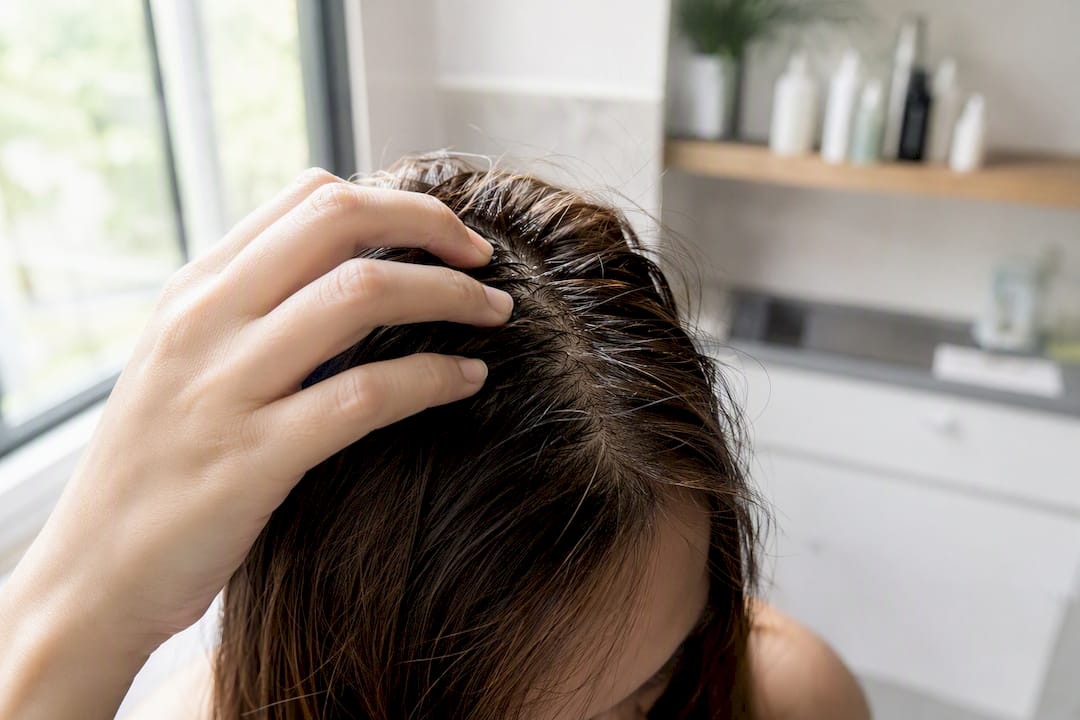
Start with the scalp, not the strand. Sebum production rises and falls with hormones, humidity, and age, and it dictates how oily, flaky, or reactive your scalp feels week to week. A shampoo formulated for a drier scalp six months ago may now be leaving you greasy by noon, or stripping you dry if your oil output has dropped.
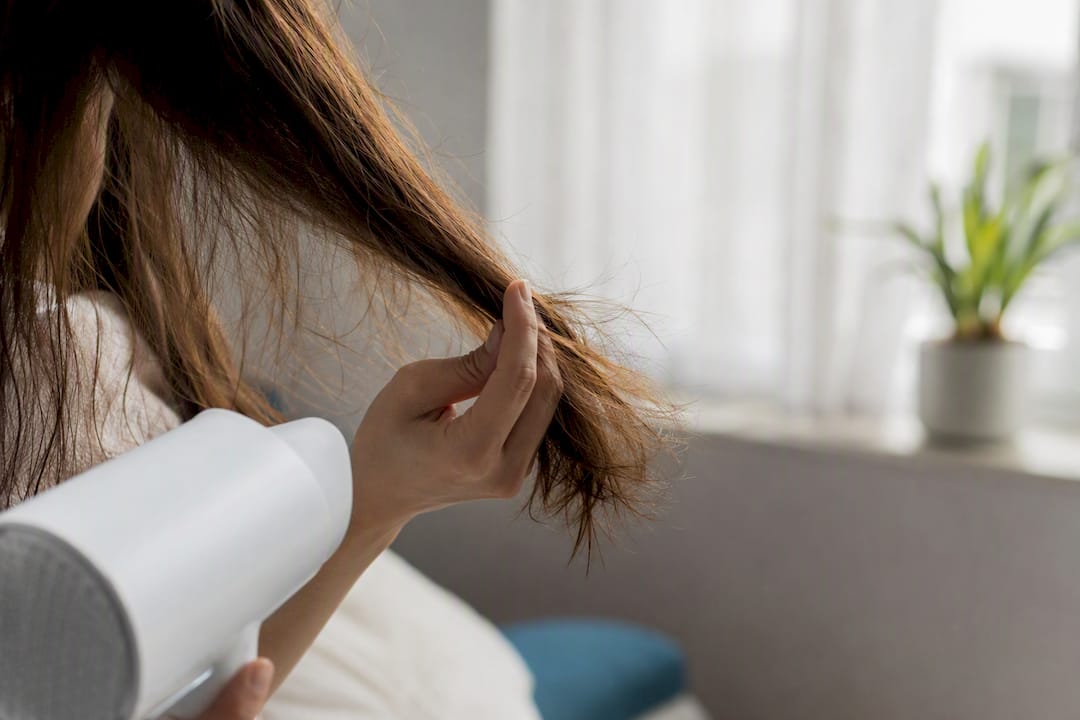
Damage changes hair at a structural level most people never think about. Hair has a protective outer layer researchers call the F-layer, and heat, color, and chemical services degrade it over time. A peer-reviewed analysis of hair structure found that once this layer is compromised, conditioning ingredients don't adhere the way they do to healthy hair. That's why a rich conditioner that once left your hair soft now sits on top of it, doing nothing.
Buildup is the other half of the story. Silicones, styling polymers, dry-shampoo powder, and mineral residue from hard water accumulate on hair and scalp over weeks, and Women's Health notes this coating can physically block moisture and active ingredients from reaching the strand. Your leave-in isn't failing. It can't get through.
Common behavioral mistakes compound all of this. According to a roundup of stylist and dermatologist advice on haircare mistakes that cause breakage, the biggest offenders are:
- Brushing wet hair, which stretches strands past their elastic limit.
- Applying conditioner to the scalp instead of the mid-lengths and ends.
- Using dry shampoo daily instead of as an occasional buffer.
- Skipping heat protectant or using tools above 350 to 400 degrees.
- Wearing tight ponytails or braids for days at a stretch.
"Sometimes a shampoo simply can't remove the residue left behind by a different product," notes chemist commentary from Lab Muffin Beauty Science, which points to ingredient interactions and hard water chemistry as frequent, overlooked culprits behind a routine that suddenly stops delivering.
Water hardness deserves more attention than it gets. Calcium and magnesium ions bind with fatty acids and surfactants to form residues that coat the hair shaft, and that single factor can explain months of frustration with otherwise good products.
A Practical 6-Step Reset You Can Follow Over 4 to 8 Weeks
You don't need a new $40 serum. You need to remove what's blocking your current products and give your scalp and strands a real chance to respond.
- Clarify once. Use a sulfate or chelating shampoo to strip buildup, silicone, and mineral residue in a single wash.
- Assess porosity and damage. Run the strand and float tests (detailed below) so you know whether you're dealing with moisture loss, protein loss, or both.
- Apply targeted repair. If porosity is high, a bond-building or protein treatment used sparingly helps. If porosity is low, focus on lightweight, heat-assisted penetration instead.
- Condition with discipline. Apply conditioner to mid-lengths and ends only, never the scalp, per the technique tips HuffPost gathered from working stylists.
- Adjust wash frequency to your scalp, not a schedule. Oily scalps often need more frequent cleansing at the roots; dry or aging scalps usually need less.
- Protect and maintain. Heat protectant every time, loose styles most nights, and a second light clarify at the four-week mark if you live in a hard-water area.
Timeline: Expect visibly less buildup and better product response within 2 weeks. Real texture and strength improvement, especially if damage was involved, takes the full 4 to 8 weeks, since that's roughly how long it takes new growth to reach a length where you notice the difference.
Pro Tip: Don't clarify and load on protein in the same week. Strip first, let hair rest a wash cycle, then repair. Doing both at once, especially on already fragile strands, can leave hair feeling stiffer, not stronger.
If breakage is your main complaint rather than buildup, a more targeted repair sequence is worth reading in full in this guide to fixing hair breakage.
How to Adapt Your Routine to Your Actual Hair Needs
A reset only holds if what you do afterward matches your hair's real profile, not what worked for someone else's.
Low porosity: The cuticle lies flat and resists moisture, so heavy creams sit on top and never absorb. Use lightweight, humectant-based leave-ins and apply them to damp, slightly warm hair to help the cuticle open.
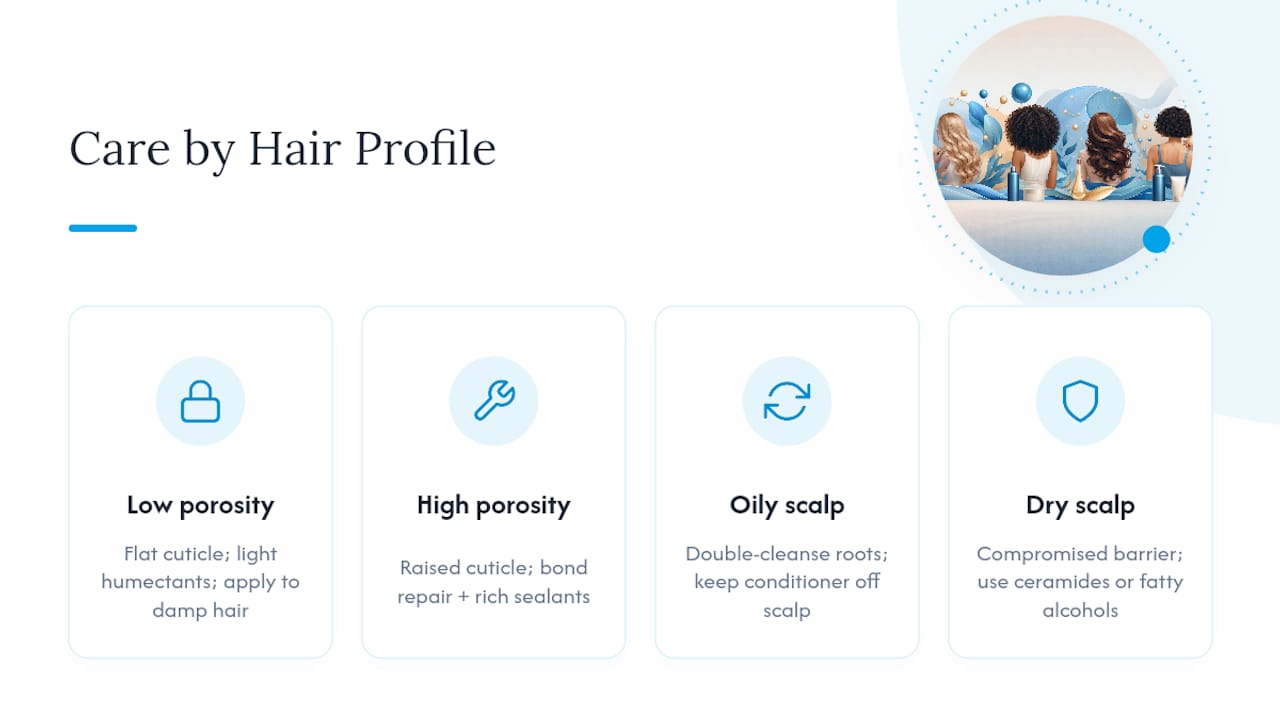
High porosity: Cuticles are raised or damaged, so hair absorbs fast and loses moisture just as fast. Bond-building treatments and richer sealants help; overdoing protein here without balancing moisture leaves hair feeling like straw.
Oily scalp: Double-cleanse the roots and keep conditioner off the scalp entirely. A common mistake is switching to "clarifying" shampoo daily, which strips too aggressively and can trigger a rebound in oil.
Dry or flaking scalp: Look for scalp treatments with ceramides or fatty alcohols rather than more oil, which can worsen flaking if the issue is a compromised moisture barrier, not a lack of oil.
Chemically damaged hair: Prioritize bond repair over intensive moisture for the first few weeks. This overview of hair breakage causes breaks down which damage type responds to which fix.
Thinning hair: Fine or thinning strands go flat under rich conditioners. Lightweight formulas applied only to the ends, paired with volumizing rather than smoothing products, tend to perform better.
Red flag across every profile: if a product change makes hair worse within a week, especially flatness, stiffness, or increased shedding, stop and reassess rather than layering on another fix.
When It's a Medical Issue, Not a Routine Problem
Some hair problems aren't fixable with a better routine, and pushing through with more products can waste weeks.
See a dermatologist or trichologist if you notice sudden or diffuse shedding, patchy bald spots, scalp inflammation that doesn't improve, visible scaling, or hair loss paired with fatigue, weight change, or other systemic symptoms. A professional visit typically includes a history review, scalp exam, and sometimes bloodwork to check thyroid function, iron, and hormone levels; biopsies are rare and reserved for unclear diagnoses.
- Try the at-home reset first if buildup, damage, or technique seem like the obvious cause.
- Go straight to a professional if shedding is sudden, patchy, or accompanied by scalp pain or systemic symptoms.
- Stress and hormonal shifts, including pregnancy, menopause, and PCOS, are common enough triggers that they're worth ruling out before assuming it's product-related.
At-Home Tests to Confirm What's Actually Wrong
Guessing wastes money. These four tests take fifteen minutes and point you toward the right fix.
- Float test for porosity. Drop a clean, shed strand into a glass of water. It floats: low porosity. It sinks fast: high porosity.
- Strand elasticity test. Stretch a wet strand gently. It springs back: healthy. It stretches and breaks: protein loss.
- Buildup check. Rub a small section of dry hair between your fingers. Waxy film or dullness that a rinse alone doesn't fix points to product or mineral buildup.
- Scalp check. Part hair in several spots and look for redness, flaking, or excess oil concentrated at the root, all signs the scalp needs targeted attention before the strand does.
Write results down. It becomes a simple record you can hand to a stylist or dermatologist, and a baseline to compare against in four weeks.
Pro Tip: If you want a faster, more precise read than the naked-eye version, a photo-based scan can flag porosity and damage patterns you'd otherwise miss, and gives you a number to track instead of a guess.
What experts consistently agree on
Across dermatology guidance and trichologist commentary, the message is consistent: match your routine to your scalp and hair's current state, clarify before you try to repair, resist the urge to stack more products, and treat sudden or systemic symptoms as a reason to see a professional rather than experiment further. Board-certified dermatologists and trichologists remain the primary authorities behind this advice, not product marketing.
Get a Faster Read on What's Actually Going On
The tests above will get you most of the way there, but a photo-based scan gets you there faster and with more precision. Myhair analyzes porosity and damage patterns from your scan in minutes, then maps that back to specific product functions instead of leaving you guessing between a humectant leave-in and a bond builder.
It's built to slot directly into the 4 to 8 week reset above: run the scan before you start, track your hair score as buildup clears and repair kicks in, and use the results to walk into a clinic conversation with actual data instead of a vague complaint. You can absolutely follow the reset without it. The scan just shortens the trial-and-error part. Start with the onboarding walkthrough if you want your first scan done today.
Sources
- American Academy of Dermatology: Habits that damage hair
- Peer-reviewed article on hair structure and damage (PMC)
- Why Your Hair Products Stop Working — Women's Health
- Why your hair products stop working — Lab Muffin Beauty Science
FAQ
What are the top reasons hair routines stop working?
The main causes are changing scalp oil production, altered porosity or protein-moisture balance, product and mineral buildup, heat or chemical damage, incorrect washing or application habits, and water quality or internal factors like hormones.
Why is hair loss and thinning increasing among younger people?
Rising rates among younger adults are commonly linked to a combination of stress, tighter or more frequent chemical and heat styling, and hormonal factors, though patterns vary widely by individual and aren't fully explained by any single cause.
What are the "big three" for thinning hair?
Most trichologists point to genetics, hormonal changes, and scalp health (inflammation, oil imbalance, or buildup) as the three factors that most consistently drive thinning, with nutrition and stress acting as amplifiers.
What vitamin deficiencies cause hair loss?
Low iron, vitamin D, and biotin are the deficiencies most often tied to hair thinning or shedding, though a proper diagnosis needs bloodwork rather than guesswork; see this guide to vitamins and stress-related hair loss for more detail.
Can I train my scalp to produce less oil by washing less often?
No. Oil production is governed by hormones, age, and scalp biology, and stretching out washes to "train" it typically just increases buildup rather than reducing oil output.