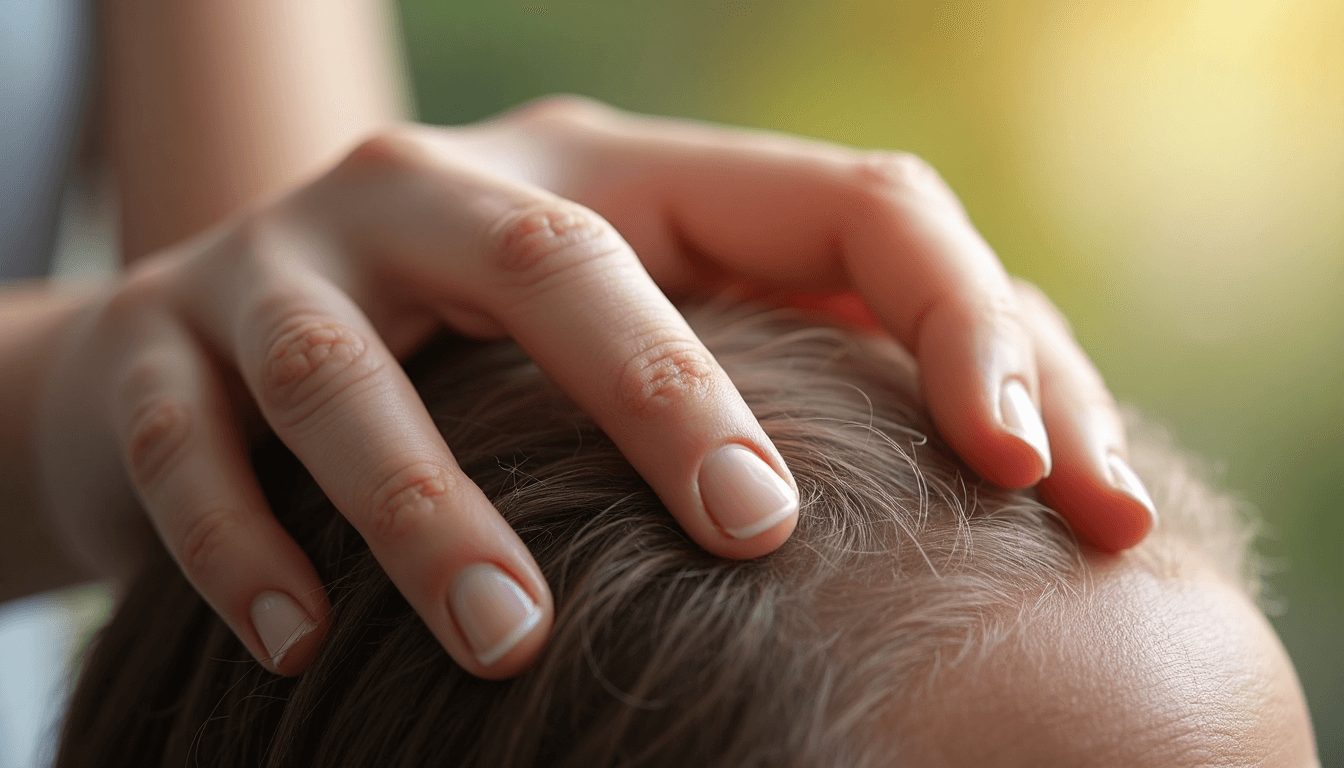
Hair loss is a pressing issue that affects millions globally, creating challenges in self-esteem and confidence. Around 40% of men and nearly 50% of women will experience noticeable hair loss in their lifetime. Yet, despite its prevalence, many remain unaware of the diverse strategies available for natural hair restoration. What if I told you that the most potent solutions are often not the ones prescribed by doctors? Instead, simple lifestyle changes and natural remedies can often yield bigger results. Imagine transforming not just your hair but your overall health in the process.
Table of Contents
- Understanding Hair Loss Causes
- Natural Methods to Regrow Hair
- Medical Treatments for Restoration
- Lifestyle Habits for Healthy Hair
Quick Summary
| Takeaway | Explanation |
|---|---|
| Genetic and Hormonal Factors are Key | Understand that genetic predisposition and hormonal influences, particularly DHT, are primary drivers of hair loss, emphasizing the importance of genetic testing for personalized strategies. |
| Nutritional Intake is Crucial | Ensure a diet rich in essential nutrients like protein, iron, and omega-3 fatty acids to support hair follicle function and promote regrowth. |
| Manage Stress and Sleep | Implement stress management techniques and maintain a consistent sleep schedule to optimize hormone regulation, which is vital for healthy hair growth. |
| Natural and Herbal Remedies Can Help | Explore natural compounds like saw palmetto and rosemary oil, which have shown potential in stimulating hair growth without significant side effects. |
| Consider Professional Treatments | Evaluate advanced medical options, including FDA-approved medications and regenerative techniques, and consult specialists to find the most suitable hair restoration approach. |
Understanding Hair Loss Causes
Hair loss is a complex biological process affecting millions of people worldwide, with multiple underlying causes that can dramatically impact an individual's hair restoration journey. Understanding these root causes is crucial for developing effective strategies to restore hair growth and prevent further hair thinning.
Genetic Factors and Hormonal Influences
Androgenetic alopecia, commonly known as pattern baldness, represents the most prevalent form of hair loss. This condition is predominantly driven by genetic predisposition and hormonal changes. Dihydrotestosterone (DHT), an androgen hormone, plays a critical role in shrinking hair follicles and shortening the hair growth cycle. Men and women with a family history of baldness are more likely to experience this type of hair loss.
Genetic testing can now help individuals understand their predisposition to hair loss. Researchers have identified specific gene variations that increase susceptibility to premature hair thinning, allowing for more personalized intervention strategies. This genetic understanding enables targeted approaches to restore hair growth before significant loss occurs.
Medical Conditions and External Triggers
Beyond genetic factors, numerous medical conditions can disrupt normal hair growth patterns. Autoimmune disorders like alopecia areata directly attack hair follicles, causing inflammation and sudden hair loss. Thyroid imbalances, nutritional deficiencies, and chronic stress can also significantly impact hair regrowth mechanisms.
Certain medical treatments, such as chemotherapy, can temporarily halt hair production. Hormonal changes during pregnancy, menopause, or due to conditions like polycystic ovary syndrome (PCOS) can trigger temporary or permanent hair loss. Understanding these triggers is essential for developing comprehensive hair restoration strategies.
Lifestyle And Environmental Factors
Daily habits and environmental exposures play a substantial role in hair health. Nutritional deficiencies, particularly in proteins, iron, and vitamins, can compromise hair follicle function. Chronic stress disrupts the hair growth cycle, pushing more follicles into a resting phase and reducing overall hair density.
External factors like excessive heat styling, harsh chemical treatments, and environmental pollutants can damage hair shafts and impede natural hair growth. Individuals seeking to restore hair growth must consider a holistic approach that addresses both internal physiological factors and external hair care practices.
By comprehensively understanding these diverse hair loss causes, individuals can develop targeted, personalized strategies to stimulate hair regrowth and prevent further loss. Consulting with healthcare professionals and trichology experts can provide tailored insights into your specific hair restoration needs.
Natural Methods to Regrow Hair
Restoring hair growth through natural methods offers a holistic and potentially safer alternative to pharmaceutical interventions. These approaches focus on addressing underlying nutritional, hormonal, and lifestyle factors that contribute to hair loss while promoting overall hair follicle health.
Nutritional Strategies for Hair Restoration
Research from the National Institutes of Health demonstrates that specific nutrients play a crucial role in hair regrowth. Biotin, a B-vitamin, strengthens hair protein and supports cellular health. Zinc and iron are critical minerals that support hair follicle function, with deficiencies directly linked to increased hair shedding.
A targeted nutritional approach can significantly impact hair restoration. Key nutrients include:
- Protein: Essential for keratin production
- Vitamin D: Supports hair follicle cycling
- Omega-3 fatty acids: Reduces inflammation and supports scalp health
Nutritionists recommend a diet rich in lean proteins, leafy greens, and whole foods to provide the building blocks necessary for natural hair growth. Clinical studies suggest that a balanced diet can potentially reverse mild to moderate hair thinning.
Herbal And Natural Compounds
Advanced nutraceutical research reveals promising natural compounds for hair restoration. Saw palmetto, a natural DHT blocker, has shown potential in reducing hormonal hair loss. Pumpkin seed oil demonstrates effectiveness in supporting hair growth by blocking testosterone conversion and providing essential nutrients.
Traditional herbal remedies like ginseng and rosemary oil have gained scientific backing for their hair restoration properties. A comparative study found rosemary oil to be equally effective as minoxidil in promoting hair growth, with fewer side effects.
Lifestyle And Holistic Approaches
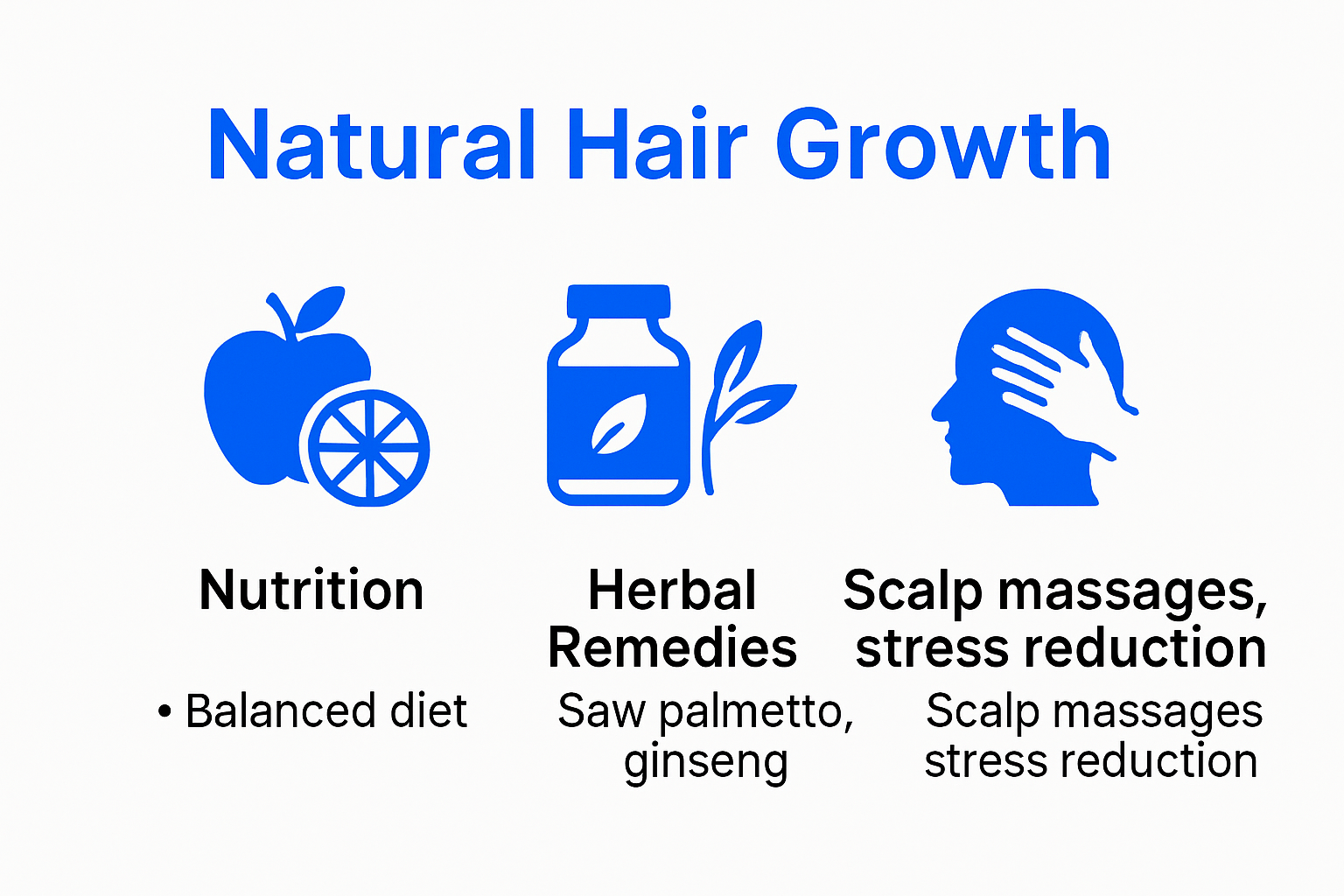
Stress management and scalp care are critical components of natural hair restoration. Chronic stress disrupts hair growth cycles, pushing follicles into a resting phase. Techniques like meditation, yoga, and regular exercise can significantly reduce stress-related hair loss.
Natural scalp treatments can stimulate hair follicles and improve circulation. Gentle scalp massages using essential oils like lavender and peppermint can enhance blood flow and potentially activate dormant hair follicles. Research indicates that consistent scalp massage can increase hair thickness and stimulate growth.
Holistic hair restoration is about creating an environment that supports natural hair growth. This includes protecting hair from environmental damage, avoiding harsh chemical treatments, and maintaining a balanced lifestyle. While results vary between individuals, these natural methods offer a comprehensive approach to potentially restore hair growth without significant side effects.
Consult with healthcare professionals to develop a personalized strategy that combines these natural methods with your specific hair restoration needs. Patience and consistency are key to seeing meaningful results in your hair regrowth journey.
Medical Treatments for Restoration
Modern medical science offers several advanced approaches to restore hair growth, providing hope for individuals experiencing significant hair loss. These treatments range from pharmaceutical interventions to cutting-edge technological solutions that target the root causes of hair thinning.
Pharmaceutical Interventions

FDA-approved medications like finasteride and minoxidil represent the primary pharmaceutical approaches to hair restoration. Finasteride works by blocking DHT production, effectively slowing hair loss and potentially stimulating regrowth. Clinical studies demonstrate that approximately 65% of men experience reduced hair loss and improved hair density with consistent use.
Minoxidil, available as a topical solution, improves blood flow to hair follicles and extends the growth phase of hair production. While effective for many, these medications require continuous use and may have side effects such as scalp irritation or hormonal changes. Patients should consult healthcare professionals to understand potential risks and individual suitability.
Advanced Regenerative Techniques
Stem cell therapy represents a groundbreaking approach to hair restoration. By harvesting and reintroducing a patient's own stem cells, researchers can potentially regenerate damaged hair follicles. A UCLA-developed breakthrough involving a small molecule called PP405 shows promise in reactivating dormant hair follicles, offering hope for those with seemingly permanent hair loss.
Platelet-rich plasma (PRP) treatments have gained significant traction in recent years. This technique involves concentrating a patient's own platelets and reinjecting them into the scalp to stimulate hair growth. Research indicates that PRP can improve hair density and follicle strength, particularly for individuals with early-stage hair loss.
Surgical Hair Restoration Options
Hair transplant surgeries have evolved dramatically, offering more natural and less invasive solutions. Follicular unit transplantation (FUT) and follicular unit extraction (FUE) techniques allow physicians to precisely transplant healthy hair follicles from donor areas to regions experiencing thinning. Advanced surgical techniques now provide near-seamless results with minimal scarring and recovery time.
Emergent technologies like robotic hair transplantation further improve precision and outcomes. These advanced systems can identify and extract the most viable hair follicles, ensuring higher success rates and more natural-looking results. Patients should thoroughly research surgeons' credentials and review before-and-after documentation.
While medical treatments offer promising solutions, individual results vary based on factors like age, underlying health conditions, and genetic predisposition. A comprehensive consultation with a trichology specialist can help determine the most appropriate restoration strategy tailored to your specific needs. Patience, consistent treatment, and realistic expectations are crucial in the hair restoration journey.
Lifestyle Habits for Healthy Hair
Healthy hair growth extends far beyond topical treatments and medical interventions. Your daily lifestyle choices significantly impact hair follicle health, determining whether you can effectively restore and maintain robust hair growth. Understanding and implementing strategic lifestyle habits can create an optimal internal environment for hair restoration.
Nutrition And Dietary Strategies
Nutritional research demonstrates that diet plays a crucial role in hair health. Protein, the fundamental building block of hair, requires consistent intake to support keratin production. Clinical studies reveal that dietary protein deficiencies can dramatically slow hair growth and increase shedding.
Key nutritional elements for hair restoration include:
- Lean proteins: Chicken, fish, legumes
- Iron-rich foods: Spinach, red meat, lentils
- Omega-3 fatty acids: Salmon, chia seeds, walnuts
- Vitamin-dense foods: Eggs, sweet potatoes, berries
A balanced diet that provides comprehensive micronutrients supports not just hair growth, but overall cellular health and hormone regulation essential for hair restoration.
Stress Management And Sleep Optimization
Endocrinological research confirms that chronic stress profoundly disrupts hair growth cycles. Elevated cortisol levels push hair follicles into premature resting phases, significantly impacting hair density and regrowth potential. Implementing consistent stress reduction techniques becomes critical for maintaining healthy hair.
Effective stress management strategies include:
- Regular meditation and mindfulness practices
- Daily physical exercise
- Consistent sleep schedules
- Cognitive behavioral techniques
- Professional counseling when needed
Sleep research indicates that 7-9 hours of quality sleep nightly supports hormone regulation and cellular repair, directly benefiting hair follicle health. Establishing a consistent sleep routine with minimal electronic disruption can significantly enhance your body's natural hair restoration processes.
Environmental Protection And Hair Care Practices
Protecting hair from environmental damage requires a holistic approach. Excessive heat styling, chemical treatments, and environmental pollutants can compromise hair shaft integrity and follicle health. Dermatological studies recommend minimizing thermal and chemical stress to support natural hair growth.
Key protective practices include:
- Using heat protectant products
- Limiting chemical treatments
- Wearing protective hairstyles
- Using silk or satin pillowcases
- Avoiding tight hairstyles that cause tension
Additionally, maintaining scalp hygiene through gentle cleansing and periodic exfoliation creates an optimal environment for hair follicle health. Choose sulfate-free, pH-balanced hair products that support your scalp's natural microbiome.
Restoring hair growth is a comprehensive journey involving internal health, lifestyle choices, and targeted care. By integrating these holistic strategies, you create a supportive framework for sustainable hair restoration. Remember that individual results vary, and patience combined with consistent, mindful practices yields the most promising outcomes.
Frequently Asked Questions
What are the main causes of hair loss?
Hair loss can be caused by genetic factors, hormonal influences, medical conditions, and lifestyle choices. Genetic predisposition, such as androgenetic alopecia, hormonal changes like increased DHT levels, autoimmune disorders, nutritional deficiencies, and chronic stress are significant contributors.
How can I restore hair growth naturally?
Natural methods for restoring hair growth include improving your diet with essential nutrients like protein, iron, and omega-3 fatty acids, using herbal remedies such as saw palmetto and rosemary oil, managing stress through techniques like meditation, and ensuring proper scalp care.
Are there any effective natural supplements for hair growth?
Yes, supplements like biotin, zinc, and omega-3 fatty acids are effective in promoting hair health. These nutrients support hair follicle function and can help reduce hair shedding when integrated into a balanced diet or taken as supplements.
What lifestyle habits can support healthy hair growth?
Maintaining a balanced diet, managing stress through relaxation techniques, ensuring adequate sleep, and protecting hair from environmental damage are essential lifestyle habits that can significantly improve hair health and promote growth.
Transform Your Hair Journey Today with MyHair.ai!
Are you tired of battling hair loss and feeling unsure about the best solutions for your unique needs? You’re not alone. Many individuals face the emotional toll of hair thinning and seek effective, personalized strategies for restoration. As highlighted in the article "Restore Hair Growth Naturally - Strategies for 2025," understanding the root causes of hair loss—like genetic factors, stress management, and nutritional deficiencies—is vital. But how do you find a tailored solution to combat your specific challenges?
Introducing MyHair.ai, your personalized hair growth companion! Our cutting-edge AI technology analyzes your hair health and offers tailored insights based on your unique biological patterns. You’ll receive:
- In-depth hair health analysis
- Personalized growth projections
- Custom product recommendations
Don’t wait until it’s too late! Take control of your hair restoration journey today. Visit https://myhair.ai and unlock a future of fuller, healthier hair with expert insights just a click away! Why let hair loss define you when a solution is right at your fingertips? Act now and start your transformation!