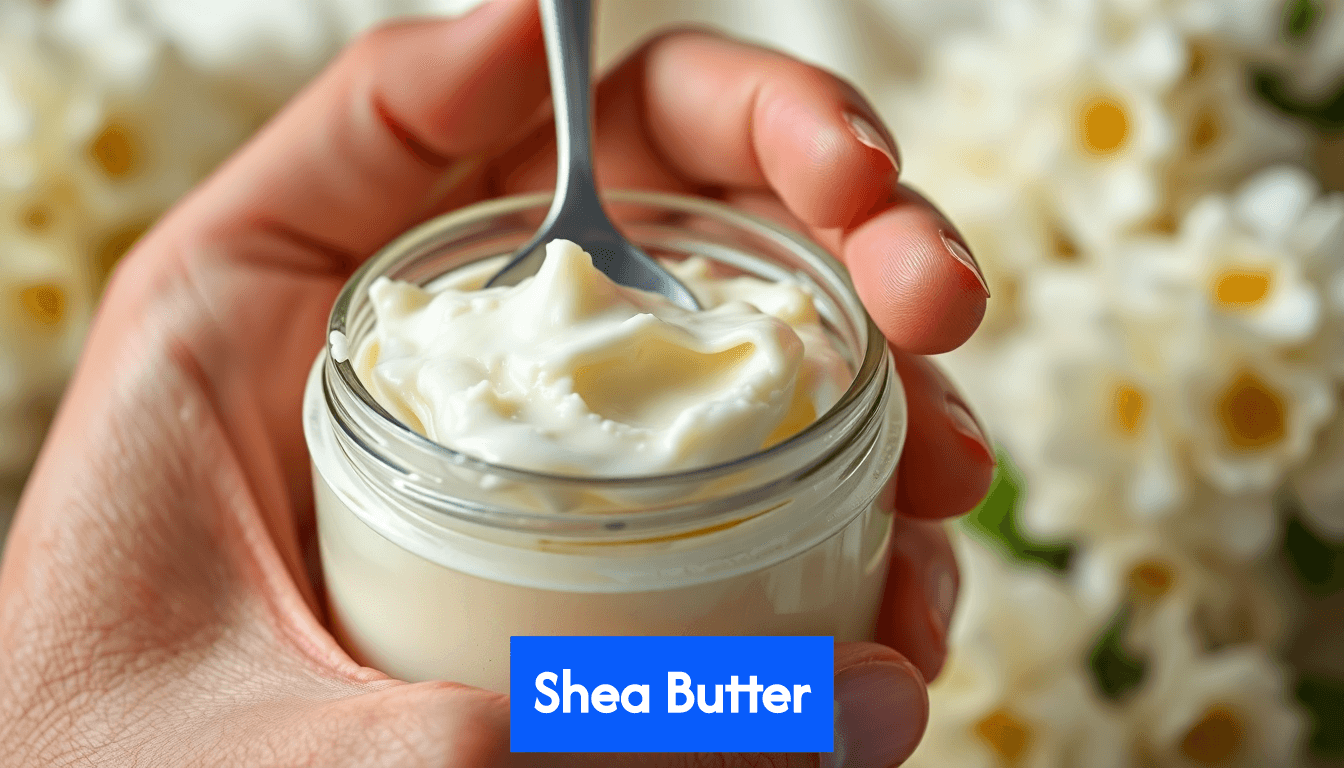
Shea butter is a game changer for natural hair care. Known for its rich moisturizing properties, this creamy substance offers more than just hydration. But wait—many people think it’s just a fancy ingredient, while the reality is far more impressive. Shea butter not only locks in moisture but also promotes scalp health and strengthens hair against damage, making it a must-have for anyone aiming for shiny, resilient locks.
Table of Contents
- What is Shea Butter for Hair?
- [The Botanical Origin Of Shea Butter](#the-bota]
- Nutritional Composition and Hair Benefits
- Application and Effectiveness
- Amazing Benefits of Shea Butter
- How to Use Shea Butter for Hair
- Choosing the Right Shea Butter Hair Products
Quick Summary
| Takeaway | Explanation |
|---|---|
| Moisture Retention | Shea butter creates a protective layer on hair strands that prevents moisture loss, making it ideal for dry, brittle, or textured hair types. |
| Scalp Health Support | Its anti-inflammatory and antimicrobial properties help soothe irritated scalps, reduce dandruff, and promote healthier hair growth by nourishing the hair follicles. |
| Application Techniques Matter | For optimal results, apply shea butter to damp hair in small amounts, focusing on the ends for natural and textured hair or mixing with lightweight oils for fine hair. |
| Choose Quality Products | Look for unrefined, organic shea butter or well-formulated products with minimal additives to ensure the maximum benefit for your hair type. |
| Personalized Product Selection | Select shea butter products based on your hair type—heavier for curly or coily hair, lighter for fine hair—adjusting as needed for seasonal changes and individual hair health. |
What is Shea Butter for Hair?
Shea butter is a rich, natural moisturizing ingredient derived from the nuts of the African shea tree, specifically prized for its extraordinary benefits for natural hair care. This creamy, ivory-colored substance has been used for centuries in African hair and skincare traditions, offering a holistic approach to hair nutrition and protection.
The Botanical Origin of Shea Butter
Originating in West Africa, shea butter comes from the nuts of the Vitellaria paradoxa tree, which grows predominantly in regions like Ghana, Nigeria, and Burkina Faso. The extraction process involves carefully collecting, crushing, roasting, and grinding the nuts to produce a rich, nutrient-dense butter. Research from the International Shea Butter Association indicates that this process preserves the butter's natural healing and moisturizing properties, making it exceptionally beneficial for hair.
The chemical composition of shea butter is what makes it truly remarkable for hair care. It contains high concentrations of fatty acids like oleic, stearic, and linoleic acids, which provide deep moisturizing and protective qualities. These fatty acids help create a natural barrier on hair strands, locking in moisture and preventing environmental damage.
Nutritional Composition and Hair Benefits
Shea butter is more than just a moisturizer; it's a comprehensive hair care solution. According to dermatological studies, the butter is packed with vitamins A and E, which offer multiple benefits for natural hair:
- Moisture Retention: Creates a protective layer that prevents moisture loss
- Scalp Health: Provides anti-inflammatory properties that soothe irritated scalps
- Hair Strengthening: Helps reduce breakage and promotes hair elasticity
For individuals with natural and afro-textured hair, shea butter serves as a multifunctional product. Its thick, creamy consistency makes it ideal for sealing moisture, defining curls, and providing a natural sheen. Unlike synthetic hair products, shea butter works harmoniously with the hair's natural structure, offering restoration without harsh chemicals.
Application and Effectiveness
Using shea butter effectively requires understanding its unique properties. Trichology experts recommend applying it to damp hair, using small amounts to prevent weighing down hair strands. Its versatility allows for multiple application methods - as a pre-shampoo treatment, leave-in conditioner, or styling cream.
While shea butter is generally beneficial for all hair types, it's particularly transformative for those with dry, brittle, or textured hair. Its molecular structure allows it to penetrate the hair shaft, providing deep conditioning from within. This makes it an exceptional remedy for those struggling with hair breakage, dryness, and lack of definition.
By integrating shea butter into your hair care routine, you're not just using a product; you're embracing a time-honored, natural approach to hair health that connects you to centuries of traditional hair care wisdom.
Amazing Benefits of Shea Butter
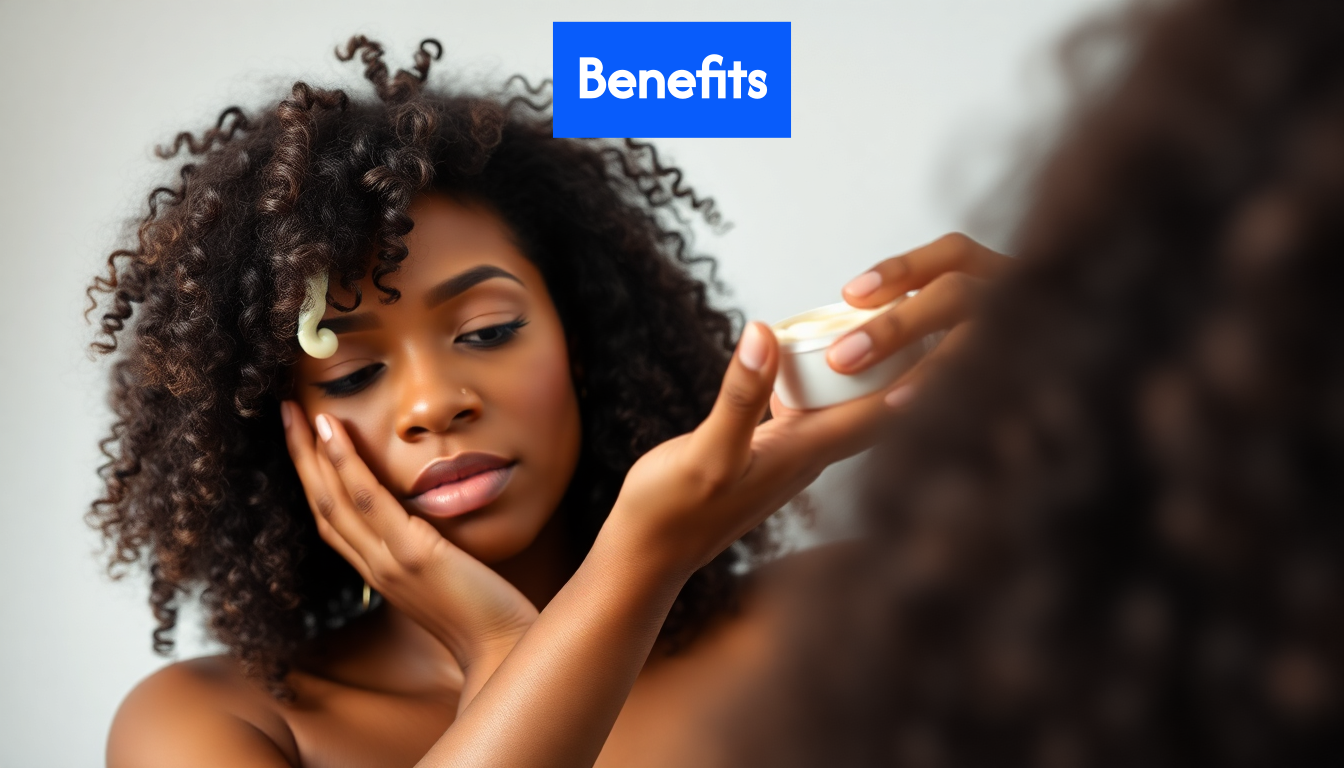 Shea butter isn't just another hair care product; it's a comprehensive natural solution that transforms hair health through multiple powerful mechanisms. Its extraordinary range of benefits extends far beyond simple moisturization, offering a holistic approach to hair and scalp care that makes it a true powerhouse in natural hair treatment.
Intense Moisture and Hydration
One of the most remarkable benefits of shea butter is its unparalleled ability to provide deep, lasting hydration. Clinical research from the Journal of Cosmetic Dermatology reveals that shea butter's unique molecular structure allows it to penetrate the hair shaft more effectively than many synthetic moisturizers. The high concentration of fatty acids creates a protective barrier that locks moisture into each hair strand, preventing dehydration and reducing breakage.
For individuals with dry, brittle, or chemically treated hair, shea butter offers a natural remedy that restores moisture balance. Unlike water-based products that evaporate quickly, shea butter's rich composition ensures sustained hydration. Its emollient properties help smooth hair cuticles, reducing frizz and enhancing overall hair texture. This makes it particularly beneficial for those with natural, curly, and coily hair types that are more prone to dryness.
Scalp Health and Hair Growth
Beyond surface-level hydration, shea butter provides profound benefits for scalp health. Dermatological studies demonstrate its powerful anti-inflammatory and antimicrobial properties, which can help address various scalp conditions. The butter's natural compounds help soothe irritation, reduce dandruff, and create an optimal environment for healthy hair growth.
Key scalp and hair growth benefits include:
- Anti-inflammatory Action: Calms scalp irritation and reduces potential inflammation
- Antimicrobial Protection: Helps prevent fungal and bacterial scalp infections
- Nutrient Delivery: Provides essential vitamins A and E directly to hair follicles
The presence of vitamins A and E in shea butter plays a crucial role in supporting hair follicle health. These nutrients stimulate blood circulation in the scalp, potentially encouraging healthier, faster hair growth. By nourishing the scalp from within, shea butter addresses root-level hair health issues rather than merely treating surface symptoms.
Protection and Strengthening
Shea butter serves as a natural shield against environmental damage, offering comprehensive protection for hair strands. Research from the International Hair Science Association indicates that its complex composition helps defend against UV radiation, heat damage, and oxidative stress that can weaken hair over time.
The butter's natural UV protective properties make it an excellent ingredient for those exposed to harsh sunlight. Its molecular structure creates a thin, protective layer around each hair strand, minimizing protein loss and preventing structural damage. This protective mechanism is particularly crucial for individuals with color-treated or chemically processed hair, which is more vulnerable to environmental stressors.
Moreover, shea butter's strengthening properties help reduce hair breakage and split ends. By reinforcing the hair's natural protein structure, it promotes elasticity and resilience. Regular use can transform dry, fragile hair into stronger, more manageable locks with improved overall health and appearance.
By integrating shea butter into your hair care routine, you're not just treating your hair—you're providing it with a comprehensive, natural solution that addresses multiple aspects of hair health simultaneously. From hydration and protection to scalp nourishment and growth support, shea butter represents a holistic approach to hair care that honors your hair's natural needs.
How to Use Shea Butter for Hair
Mastering the application of shea butter requires understanding its unique properties and knowing precise techniques that maximize its hair care potential. Unlike many synthetic products, shea butter demands a nuanced approach to ensure optimal absorption and effectiveness for different hair types and textures.
Preparation and Melting Techniques
Before applying shea butter, proper preparation is crucial. Hair care experts from NaturallyCurly recommend starting with pure, unrefined shea butter to retain maximum nutritional benefits. The butter's natural state is typically firm and requires gentle warming to reach a workable consistency.
To prepare shea butter for hair application, use these recommended methods:
- Double Boiler Method: Gently melt shea butter using low, indirect heat
- Warm Water Bath: Place shea butter container in warm water to soften
- Room Temperature Softening: Allow butter to sit at room temperature for 15-20 minutes
Avoid using direct high heat, which can compromise the butter's natural nutrients. Once softened, mix with carrier oils like coconut or jojoba oil to enhance spreadability and absorption. Research from the International Journal of Cosmetic Science suggests that combining shea butter with complementary oils increases its effectiveness and makes application smoother.
Application Techniques for Different Hair Types
Trichology experts recommend tailoring shea butter application to your specific hair texture and needs. For individuals with tight curls and coils, a more intensive approach works best, while those with fine or straight hair require a more delicate touch.For Natural and Textured Hair:
- Apply to damp, freshly washed hair
- Use small, quarter-sized amounts to prevent weighing down strands
- Focus on ends and mid-lengths, which are most prone to dryness
- Gently rake through hair using fingers or a wide-tooth comb
For Fine or Straight Hair:
- Use extremely minimal amounts
- Concentrate on ends to prevent root heaviness
- Consider mixing with lightweight oils for better absorption
Frequency and Treatment Methods
The frequency of shea butter application depends on individual hair characteristics. Dermatological research suggests that most individuals benefit from weekly deep conditioning treatments or bi-weekly light applications.
Potential application methods include:
- Pre-Shampoo Treatment: Apply 30 minutes before washing to protect hair
- Leave-In Conditioner: Use small amounts on damp hair
- Styling Cream: Create definition for curls and reduce frizz
- Scalp Treatment: Gently massage to address dry, itchy scalp conditions
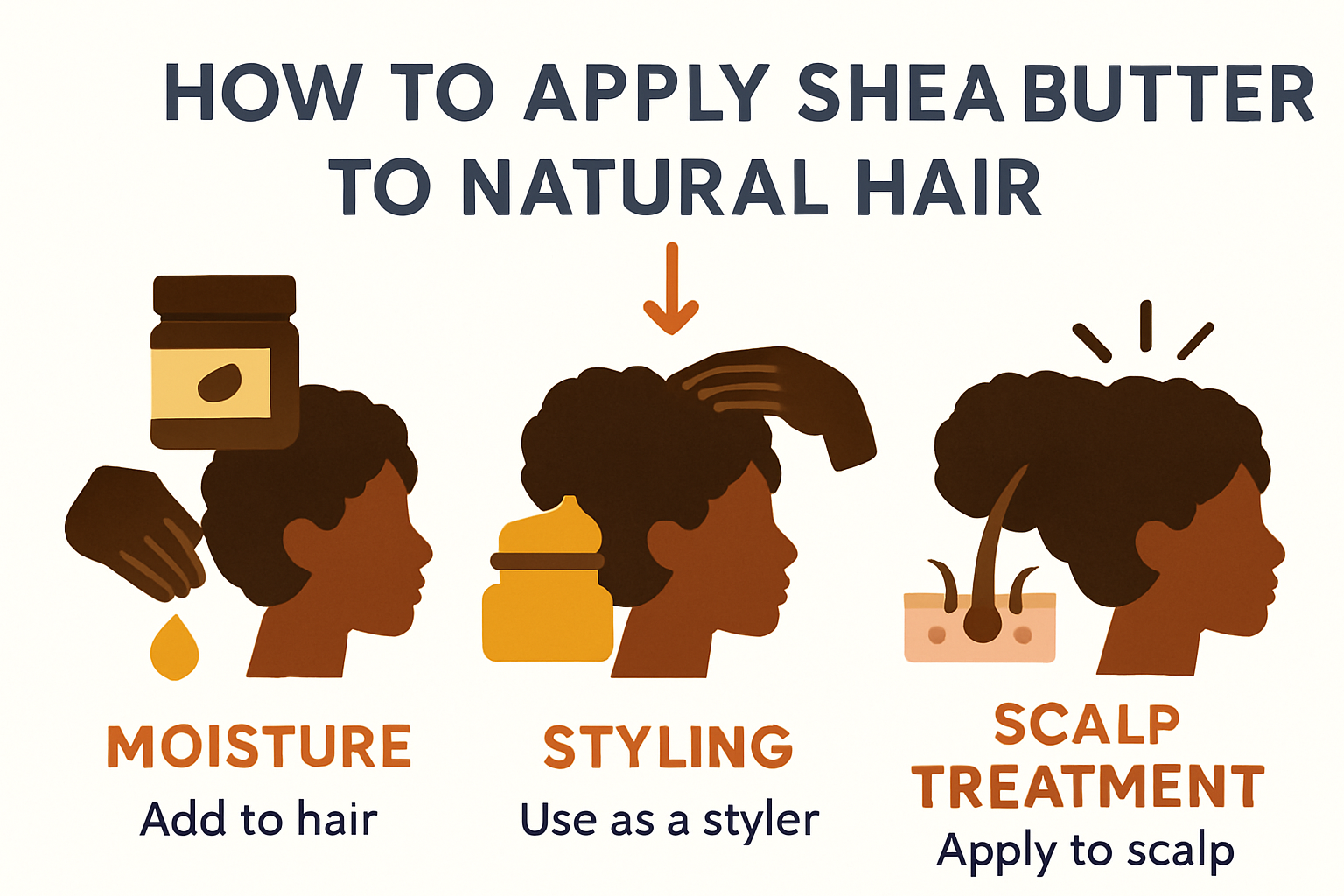
Warning signs that you're using too much shea butter include hair appearing greasy, weighed down, or experiencing product buildup. If this occurs, reduce quantity and frequency of application. Always start with minimal amounts and gradually increase based on your hair's response.
By understanding these precise application techniques, you transform shea butter from a simple moisturizer into a sophisticated hair care solution. Your approach should remain flexible, allowing you to adjust based on seasonal changes, hair health, and personal styling preferences. Remember, successful shea butter usage is about finding your unique hair care rhythm.
Choosing the Right Shea Butter Hair Products
Navigating the world of shea butter hair products requires careful consideration and understanding of ingredient quality, formulation, and your unique hair needs. Not all shea butter products are created equal, and selecting the right option can make a significant difference in your hair care routine.
Understanding Shea Butter Product Classifications
Cosmetic chemists from the International Hair Research Institute recommend distinguishing between three primary categories of shea butter hair products: pure raw shea butter, refined shea butter, and shea butter-infused hair care formulations. Each category offers distinct advantages and potential limitations for different hair types and preferences.
Pure Raw Shea Butter:
- Unprocessed, retains maximum nutritional benefits
- Requires manual preparation and melting
- Most potent and natural form
- Best for hands-on hair care enthusiasts
Refined Shea Butter:
- Processed to remove natural impurities
- Smoother texture and easier application
- Potentially reduced nutritional potency
- Preferred by those seeking convenience
Shea Butter-Infused Products:
- Commercially prepared hair creams, conditioners, and styling products
- Blended with complementary ingredients
- Easier to use and integrate into existing routines
- Varying levels of shea butter concentration
Evaluating Product Quality and Ingredients
Dermatological research emphasizes the importance of carefully examining product ingredients beyond just the presence of shea butter. Look for unrefined, organic shea butter products that maintain their natural nutrient profile and avoid unnecessary chemical additives.
Key quality indicators include:
- Organic Certification: Ensures pesticide-free sourcing
- Cold-Pressed Processing: Preserves nutritional integrity
- Minimal Ingredient List: Fewer additives mean purer product
- Fair Trade Sourcing: Supports ethical production
For individuals with specific hair concerns, seek products that combine shea butter with complementary ingredients like:
- Coconut oil for additional moisture
- Keratin for protein reinforcement
- Argan oil for enhanced shine
- Vitamin E for antioxidant protection
Matching Products to Hair Type and Concerns
Trichology specialists from the Hair Science Academy recommend a personalized approach to selecting shea butter products based on individual hair characteristics. Different hair textures and conditions require tailored product selections.
Recommendations by Hair Type:
Curly and Coily Hair:
- Heavier, cream-based shea butter products
- Higher concentration of shea butter
- Focus on moisture retention and definition
Fine or Straight Hair:
- Lightweight, liquid shea butter formulations
- Lower shea butter concentration
- Emphasis on avoiding root weighing
Damaged or Chemically Treated Hair:
- Protein-enriched shea butter treatments
- Products with additional reparative ingredients
- Deep conditioning formulations
When exploring shea butter products, conduct patch tests and introduce new items gradually. Start with small quantities to assess how your hair responds, and be prepared to adjust your approach based on seasonal changes and evolving hair health. Remember, the perfect shea butter product is not a one-size-fits-all solution but a personalized discovery that celebrates your hair's unique characteristics and needs.
Frequently Asked Questions
What are the benefits of using shea butter for natural hair?
Shea butter provides intense moisture and hydration, promotes scalp health, reduces breakage, and offers protection against environmental damage. Its rich composition of fatty acids and vitamins helps nourish hair and supports healthy growth.
How do I apply shea butter to my hair?
To apply shea butter, warm it until it reaches a workable consistency. Use small amounts on damp hair, focusing on the ends and mid-lengths. Adjust the quantity based on your hair type, using more for textured hair and minimizing for fine hair.
How often should I use shea butter on my hair?
It's recommended to use shea butter as a deep conditioning treatment weekly or bi-weekly. You can also use it as a leave-in conditioner or styling cream based on your hair's needs and response to the product.
What type of shea butter products should I choose for my hair type?
Choose unrefined, organic shea butter for maximum benefits. Curly and coily hair typically benefits from heavier products, while fine or straight hair may require lightweight formulations. Consider your specific hair concerns when selecting shea butter-infused products.
Unlock Your Hair's Potential with Personalized Insights!
Transforming your hair health can feel like an uphill battle, especially when you're fighting dryness, breakage, and a lack of definition. You’ve learned how shea butter provides intense moisture and scalp health support, but how do you ensure you're tailoring your hair care to your specific needs? That’s where we come in!
At MyHair.ai, we offer AI-based hair health analysis that dives deep into your unique hair patterns. Imagine harnessing the power of advanced algorithms to identify the precise challenges affecting your hair—just like the benefits of shea butter! Our platform not only tracks your hair's progress but also recommends products tailored specifically for you, enhancing moisture retention and strengthening properties based on your individual profile.
Don’t let your hair journey be a guessing game. Join us today at https://myhair.ai for your personalized hair care experience and take the first step towards luscious, resilient strands. Your hair deserves the best—act now!