Small daily habits protect hair better than expensive treatments: wash based on scalp oil instead of a fixed schedule, apply heat protectant before any hot tool, detangle wet hair gently with a wide-tooth comb, and shield strands from sun and chlorine. Dermatologists at the American Academy of Dermatology back this approach, and platforms like Myhair now let you track whether these habits are actually working.
TL;DR:
- Washing hair according to scalp oiliness rather than a fixed schedule helps prevent damage; oily scalps may need daily washing, while dry hair can go a week.
- Applying heat protectant every time you style and lowering tool temperature based on hair thickness significantly reduces thermal damage over time.
- Protecting hair from sun, chlorine, and salt water with hats, rinsing after swimming, and reapplying sunscreen can prevent protein breakdown and color fading.
- Detangling wet hair with a wide-tooth comb starting at the ends minimizes breakage, especially when done with conditioner in textured or coily hair.
- Using a satin pillowcase and avoiding tight hairstyles reduces friction and tension, helping prevent gradual breakage and split ends.
Table of Contents
- 8 Simple Hair Protection Tips You Can Start Today
- Washing and Conditioning: How to Do It Right for Your Hair Type
- Detangling and Handling Wet Hair Safely
- Heat Styling: Practical Protections and Temperature Guidance
- Sun, Pool, and Sea: Simple Steps to Block Environmental Damage
- Styling Choices That Reduce Tension and Breakage
- Night and Quick Daily Routines That Protect Hair With Minimal Effort
- Nutrition and Supplements That Support Hair Resilience
- How to Choose One or Two Products Without Overcomplicating Things
- What Actually Moves the Needle
- Turn These Tips Into a Personalized Plan With Myhair
- Sources
- FAQ
8 Simple Hair Protection Tips You Can Start Today
Rank these by how much damage they prevent for how little effort they take. Start at the top.
- Wash by oil, not by calendar. Oily scalps need more frequent washing; dry or curly hair can stretch to once a week.
- Shampoo the scalp, not the ends. Lather where oil actually builds up and let the suds rinse down the lengths.
- Condition mid-shaft to ends only. This protects the driest, oldest part of the hair without weighing down roots.
- Apply heat protectant every time. Skip this step and you're styling bare strands against 300°F+ heat.
- Lower your tool temperature. Most hair does not need the highest setting your flat iron offers.
- Wear a hat or scarf in strong sun. UV breaks down hair protein the same way it damages skin.
- Detangle wet hair with a wide-tooth comb. Start at the ends and work up, never top-down.
- Switch to a satin pillowcase. Cotton pulls moisture out of hair and creates friction all night long.
Washing and Conditioning: How to Do It Right for Your Hair Type
Forget the old "wash every other day" rule. The AAD recommends washing based on how oily or dirty your scalp gets, not a universal calendar. Oily and fine hair often needs a wash every one to two days. Normal hair usually does fine every two to three days. Dry, curly, or coily hair can go several days between washes without looking neglected.
The placement rule matters as much as frequency. Shampoo belongs on your scalp, where oil and product actually accumulate, and conditioner belongs on your lengths and ends, the oldest and most damaged part of every strand.
- Straight or fine hair: lightweight, sulfate-free shampoo and a light conditioner focused just below the ears.
- Wavy hair: moisturizing shampoo two to three times a week with conditioner on lengths every wash.
- Curly hair: consider co-washing between full shampoos to avoid stripping natural oils.
- Coily hair: a weekly clarifying shampoo followed by a rich conditioner or deep-conditioning mask works better than daily cleansing.
Detangling and Handling Wet Hair Safely
Wet hair stretches further and snaps more easily than dry hair, which is why yanking a brush through it after a shower causes so much breakage. The safest workflow for most hair types: finger-detangle first to loosen major knots, follow with a wide-tooth comb loaded with conditioner, and save the fine-tooth brush for when hair is mostly dry.
Tightly coiled or 4C hair is the exception. Detangling this texture actually works better wet, while conditioner is still in and providing slip, worked through in small sections rather than all at once.
- Wide-tooth comb for the first pass on any texture
- A dedicated detangling brush with flexible bristles for finer hair
- Small sections for coily or highly textured hair
Pro Tip: Always start detangling at the ends and work upward. Starting at the roots just pushes every knot down into a bigger one.
Heat Styling: Practical Protections and Temperature Guidance
Heat protectant is not optional if you use a blow-dryer, flat iron, or curling iron more than occasionally. Apply it to damp hair before blow-drying and distribute it evenly from roots to ends, since uneven application leaves gaps where the cuticle lifts and burns.
Temperature should match your hair's thickness, not the dial's maximum setting:
- Fine or damaged hair: 250 to 300°F
- Medium texture: 300 to 350°F
- Thick or coarse hair: 325 to 375°F
Styling fully wet hair with high heat is one of the fastest ways to cause thermal damage, since trapped moisture essentially boils inside the strand.
Keep your blow dryer at least six inches from your head, finish with the cool shot button to seal the cuticle flat, and build in one or two heat-free days a week so hair gets a break from cumulative stress.
Sun, Pool, and Sea: Simple Steps to Block Environmental Damage
UV rays break down hair's protein structure and fade color just as they damage skin, yet almost nobody protects their hair the way they protect their face. Cleveland Clinic dermatologists recommend a wide-brimmed hat or UPF scarf for extended sun exposure, plus a hair sunscreen spray or scalp SPF for anyone with thinning hair or a visible part.
- Wet hair with clean water before swimming so it absorbs less chlorine or salt water
- Rinse thoroughly right after swimming to remove chlorine and salt before it dries and oxidizes on the strand
- Avoid peak sun between 10 a.m. and 4 p.m. when possible
- Reapply hair sunscreen every couple of hours during long beach or pool days
Styling Choices That Reduce Tension and Breakage
Traction from tight hairstyles causes breakage that shows up gradually, often mistaken for thinning at the temples or part line. Covered elastics and scrunchies do far less damage than bare rubber bands, which can literally cut through strands. Loose buns, braids, and rotating where you part your hair spread tension across different areas instead of stressing the same spot every day.
- Swap rubber bands for fabric-covered elastics
- Alternate your part every few days
- Regular trims every few months help stop split ends from traveling up the shaft
- Try heatless curls or braid-outs to cut down on tool frequency
Night and Quick Daily Routines That Protect Hair With Minimal Effort
A satin or silk pillowcase cuts overnight friction that cotton creates, which matters more than most people realize since you spend roughly a third of your life with your head against it. Curly hair benefits from a loose pineapple tie at the crown before bed instead of a tight ponytail.

Blot hair dry with a t-shirt or microfiber towel rather than rubbing with terry cloth, which roughs up the cuticle. A one-minute routine covers most of it: a small amount of oil on the ends, a spritz of leave-in for curls, then tuck everything into a loose bun overnight.
Pro Tip: Change one habit at a time. Swapping five things at once makes it impossible to tell which one actually helped.
Nutrition and Supplements That Support Hair Resilience
Hair is built largely from protein, so diets low in it often show up as weak, slow-growing strands before anything else. Iron, zinc, and vitamin D each play a documented role in normal hair growth and strength.
A review on nutrition and hair health points toward treating an actual deficiency rather than taking supplements on spec. Get bloodwork first if you suspect a deficiency.
- Protein: eggs, fish, poultry, legumes
- Iron: red meat, spinach, lentils
- Zinc: oysters, pumpkin seeds, chickpeas
- Vitamin D: fatty fish, fortified milk, sunlight
How to Choose One or Two Products Without Overcomplicating Things
You do not need twelve products on your shelf. A minimal, effective kit covers three jobs: a shampoo matched to your scalp type, a conditioner or weekly mask for your lengths, and a heat protectant if you use hot tools at all.
- Look for "heat protectant" on the label if you style with heat weekly
- Choose a clarifying shampoo only occasionally, not as your everyday cleanser
- Pick moisturizing formulas for dry or curly hair, lightweight ones for fine or oily hair
- Patch-test new products behind the ear, and see a dermatologist for persistent itching, flaking, or shedding rather than guessing at a fix
What Actually Moves the Needle
The habits that make the biggest difference are rarely the ones people expect. Lowering your flat iron temperature by 50 degrees does more for hair health over a year than any single serum. Switching a cotton pillowcase for satin costs almost nothing and works while you sleep.. What I've found most consistent is that people who track changes over time stick with better habits, because they can actually see the payoff instead of guessing..
— Cyriac
Turn These Tips Into a Personalized Plan With Myhair
A checklist works until you want to know if it's actually working for your specific hair. Myhair closes that gap: upload a scan, and the AI-powered analysis reads your current hair health, tracks change over time, and recommends products matched to what your hair actually needs instead of generic advice.
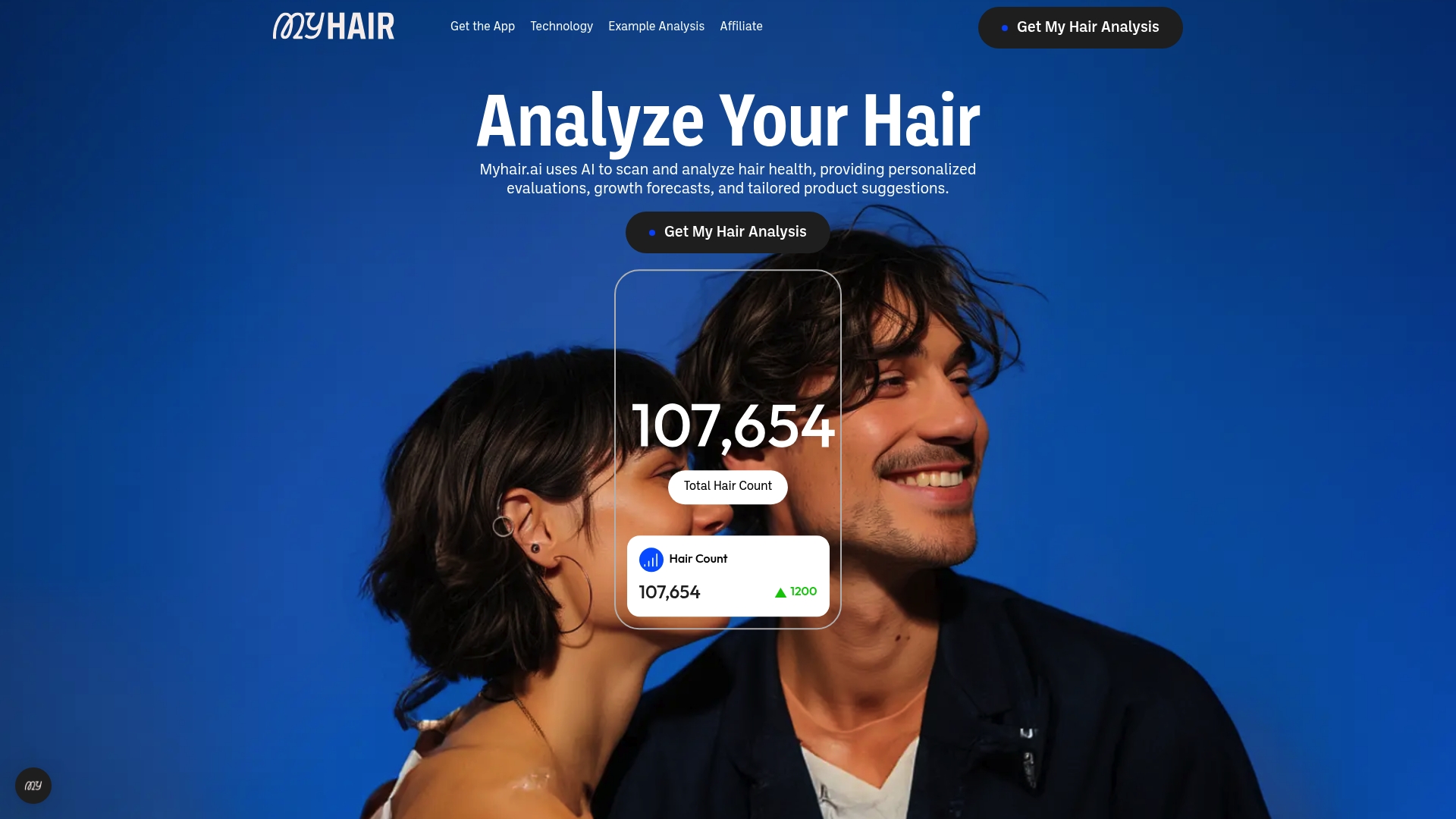
Instead of guessing whether your new heat-protectant habit is paying off, you get a hair score you can watch move. The platform also flags issues worth mentioning to a dermatologist, which matters if thinning or scalp irritation shows up alongside normal wear and tear. Start with a free hair scan and see where your current routine stands before you change anything else.
Sources
- Tips for healthy hair
- How to protect your hair from sun damage
- Zinc — Health Professional Fact Sheet (ODS/NIH)
- Review on nutrition and hair health (PMC)
- The best things you can do to protect your hair when you heat style
FAQ
What Are Some Tips for Protecting My Hair?
Wash based on scalp oil rather than a fixed schedule, apply shampoo to the scalp and conditioner to the ends, use a heat protectant before any hot tool, and wear a hat during extended sun exposure.
What Are Three Do's and Don'ts of Hair Care?
Do apply conditioner to lengths and ends, do detangle wet hair with a wide-tooth comb starting at the tips, and do use a heat protectant. Don't rub wet hair with a rough towel, don't skip sun protection, and don't style fully soaked hair with a flat iron.
What Is the "Rule of Three" for Hair Care?
Definitions vary, but a common version focuses on three basics: cleanse based on scalp need, condition the lengths and ends, and protect hair from heat and sun damage.
What Are 10 Tips for Healthy Hair Care?
Wash by oil level, shampoo the scalp only, condition ends, use heat protectant, lower tool temperatures, wear sun protection, detangle wet hair gently, sleep on satin, trim regularly every few months, and treat nutrient deficiencies rather than supplementing blindly.
How Often Should I Deep Condition My Hair?
Most hair types benefit from a deep-conditioning mask once a week, though dry or chemically processed hair may need it twice weekly to restore moisture and elasticity.