The fastest steps to minimize hair damage are ones you can start today: apply a heat protectant before every hot tool, drop your styling temperature, blot wet hair with a microfiber towel instead of rubbing, and detangle from ends to roots with a wide-tooth comb. Skip any chemical service until your hair is stronger, and swap elastic hair ties for fabric scrunchies.
- Apply heat protectant spray or cream before any heat tool, every time
- Lower your flat iron or dryer to the lowest temperature that still works
- Blot, never rub, with a microfiber towel or soft cotton T-shirt
- Detangle gently, starting at the ends and working upward
- Avoid tight ponytails, buns, or braids that pull at the root
- Hold off on coloring, bleaching, or relaxing until breakage slows
- Space major chemical services at least 6–8 weeks apart
The American Academy of Dermatology (AAD) backs all of these as core damage-prevention habits. Myhair's AI-based hair analysis can help you track whether these changes are actually working over time.
Pro Tip: Take a photo of your hairline and mid-lengths today. Comparing photos every four weeks is the simplest way to tell whether your routine is actually working or whether you need professional help.
Key Takeaways
Consistent, low-effort habit changes, especially around heat, drying, and chemical spacing, produce more lasting improvement than any single product.
| Point | Details |
|---|---|
| Heat protectant is non-negotiable | Apply before every hot tool, every time, and lower the temperature to the minimum that works |
| Gentle drying and detangling | Blot with microfiber; comb from ends to roots to prevent mechanical breakage |
| Space chemical services | Wait at least 8–10 weeks between relaxers or perms; never stack services in one appointment |
| Trim every 6–8 weeks | Removes split ends before they travel up the shaft and worsen breakage |
| Myhair tracks your progress | The AI hair scanner provides a baseline assessment and monitors change over time |
Table of Contents
- What actually causes hair damage?
- A practical daily and weekly hair care routine
- How to use heat tools without wrecking your hair
- Safety rules for coloring, bleaching, and chemical treatments
- Reduce friction and tension with simple everyday habit swaps
- How nutrition, stress, and health affect your hair
- Repair treatments: masks, protein, and bond-repair products
- A practical maintenance calendar
- When home care isn't enough: signs you need a professional
- How to assess your own hair damage at home
- Does your water quality affect your hair?
- What most hair advice gets wrong
- Myhair's personalized hair analysis takes the guesswork out of your routine
- Sources
- FAQ
What actually causes hair damage?
Understanding the source of damage is what lets you fix the right thing. Most people are dealing with more than one cause at once, which is why a single product swap rarely solves the problem.
Heat styling is the most common culprit. Flat irons, curling wands, and blow dryers break down the hydrogen bonds inside the hair shaft, and heat damage cannot be reversed once it occurs in the shaft. The only fix for already-damaged ends is cutting them.
Chemical services (color, bleach, perms, relaxers) alter the hair's disulfide bonds. Stacking services or doing them too frequently strips the cuticle and leaves the cortex exposed. The structural damage compounds fast.
Mechanical friction and tension are underestimated. Rough cotton towels, aggressive brushing, tight styles, and heavy extensions all create physical stress on the cuticle. This is the easiest category to fix with simple habit swaps, which is why the AAD leads with it.
Environmental and water-quality factors include UV exposure, chlorine, salt water, and hard water mineral buildup. These don't cause the dramatic breakage that heat does, but they degrade the cuticle steadily over time.
Internal health factors — poor nutrition, chronic stress, and inadequate sleep — reduce the quality of new growth at the follicle level. You can use every right product and still see breakage if your diet is missing key nutrients.
Pro Tip: Swap your cotton pillowcase for a satin or silk one tonight. It takes 30 seconds and immediately reduces overnight friction, which is one of the most consistent recommendations from dermatologists for reducing breakage.
A practical daily and weekly hair care routine
A good hair care routine isn't complicated, but sequence matters. Doing the right things in the wrong order still causes damage.
Daily steps:
- Apply a leave-in conditioner or detangling spray to damp hair before combing
- Detangle with a wide-tooth comb, starting at the ends and working toward the roots
- Apply heat protectant if you're using any hot tool
- Style at the lowest effective temperature
- Tie hair loosely at night with a fabric scrunchie or sleep in a loose braid
Weekly steps:
- Shampoo the scalp only, massaging gently with fingertips (not nails). The AAD recommends letting the rinse water carry cleanser down the length rather than scrubbing the ends
- Apply conditioner to the mid-lengths and ends (fine hair) or full length (curly or dry hair), and leave it on for at least two minutes
- Follow with a deep conditioning mask or protein treatment based on your hair's current needs
- Plan at least one or two no-heat days per week
Monthly:
- Use a clarifying shampoo once a month to remove product and mineral buildup
- Assess whether your hair feels more elastic or more brittle than the previous month and adjust your mask frequency accordingly
Wash frequency depends on your scalp. Oily scalps may need washing every other day; dry or low-porosity hair often does fine with once or twice a week. Overwashing strips natural oils and accelerates dryness, especially for textured hair.
Pro Tip: High-porosity hair (damaged, bleached, or chemically treated) absorbs moisture fast but loses it just as quickly. If that's you, layer a leave-in conditioner under a heavier cream or oil to seal moisture in before it escapes.
How to use heat tools without wrecking your hair
The core rule is simple: always use a heat protectant, use the lowest temperature that achieves your style, and keep the tool moving. Holding a flat iron on one section for five seconds does more damage than passing it through twice at a lower setting.
According to professional guidance from Wella, the right temperature depends on hair thickness and texture. Fine or thin hair is the most vulnerable and needs the lowest heat. Coarse or thick hair can tolerate more, but that doesn't mean maxing out the dial.
| Hair Type | Safe Temperature Range | Key Tip |
|---|---|---|
| Fine / thin | lowest effective temperature | Use a blow dryer on low; skip flat irons when possible |
| Medium / normal | medium temperature | One pass per section; keep tool moving |
| Thick / coarse | higher temperature | Section hair small; never hold tool stationary |
| Chemically treated | lowest effective temperature | Treat as fine regardless of thickness |
Dos and don'ts:
- Never apply a hot tool to soaking-wet hair. Hair is most fragile when wet, and the rapid steam expansion causes internal damage
- Section hair before styling so each pass is efficient and you're not going over the same section repeatedly
- Use a heat protectant that matches your tool: sprays for blow dryers, creams or serums for flat irons and wands
- Limit daily heat styling. Two or three times a week is a reasonable ceiling for most hair types
Safety rules for coloring, bleaching, and chemical treatments
Chemical services are the category where the most serious damage happens, and most of it is preventable with better timing. Dermatologists recommend spacing relaxers and perms at least 8–10 weeks apart, and waiting roughly two weeks between a perm or relaxer and a coloring service.
The single-service principle matters: avoid stacking bleach, color, and a relaxer in the same appointment. Each service compromises the hair's structural integrity, and combining them multiplies the risk of severe breakage or hair loss.
Salon vs. DIY:
- Professional colorists perform strand tests and can assess your hair's current condition before applying chemicals. At home, that step is almost always skipped
- If you're doing a box color at home, do a strand test 48 hours before and never apply to previously bleached hair without professional guidance
- Deep condition for at least two weeks before any planned chemical service to build up the hair's moisture reserves
After a chemical service:
- Use a bond-repair treatment (such as those in the Olaplex or K18 product lines) in the days following the service to help restore broken disulfide bonds
- Follow with a moisturizing deep conditioner weekly for at least four weeks post-service
- Avoid heat styling for at least 72 hours after a relaxer or perm
Pro Tip: If your hair is already breaking, delay any chemical service until the breakage slows. Applying chemicals to compromised hair accelerates damage rather than improving it.
Reduce friction and tension with simple everyday habit swaps
Most mechanical damage happens in the bathroom and on the pillow, not at the salon. The fixes are cheap and immediate.
Towel drying: Replace your cotton terry towel with a microfiber towel or a soft cotton T-shirt. Blot and squeeze, never rub. The AAD specifically flags rough towel friction as a primary cause of breakage, and this swap costs almost nothing.
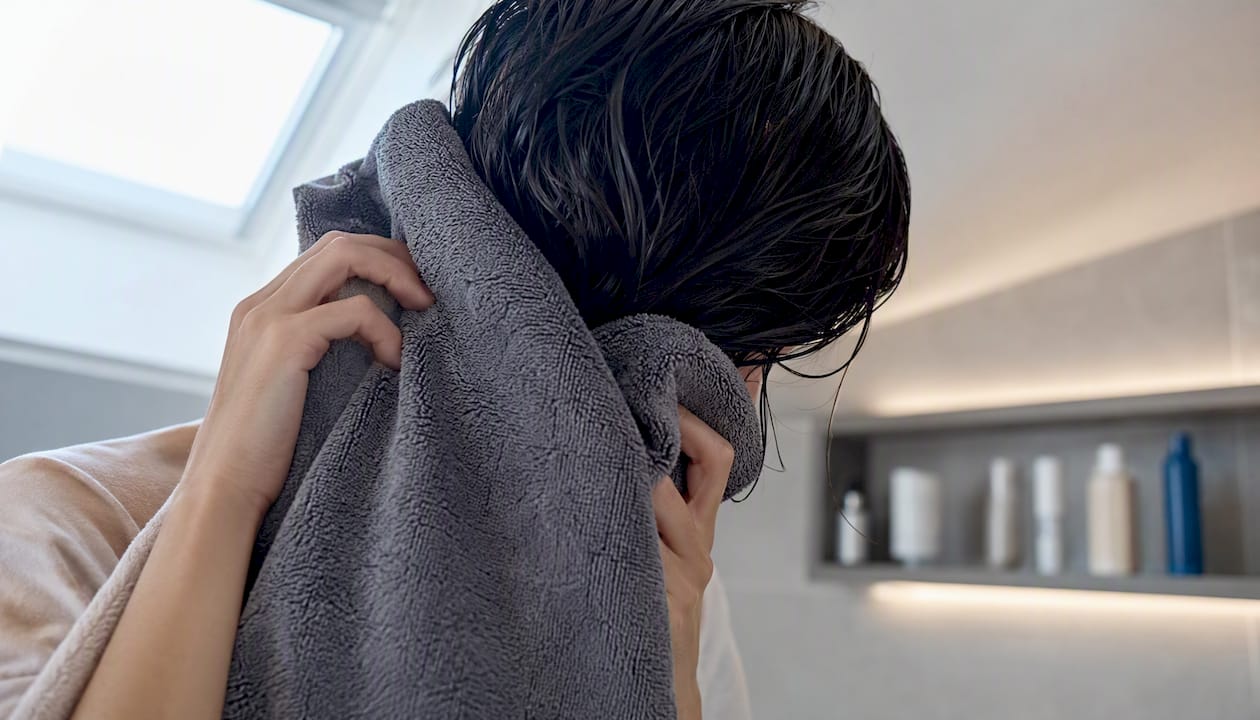
Brushing: Brushing 100 strokes a day is a myth that increases cuticle abrasion. Brush only to detangle or style, and always work from the ends upward. A wide-tooth comb or a flexible detangling brush causes less mechanical stress than a paddle brush on wet hair.
Hairstyles: Tight ponytails, buns, and braids create constant tension at the follicle. Over time, this leads to traction alopecia, a form of hair loss that can become permanent. Use fabric scrunchies instead of elastic bands, and vary where you place your ponytail day to day.
Pillowcases: A silk or satin pillowcase reduces overnight friction significantly. If you prefer cotton, wrap your hair in a satin bonnet or scarf before bed.
Extensions and weaves: Wear time matters. Most stylists recommend removing extensions after six to eight weeks to prevent tension buildup and follicle stress. Heavy extensions on fine hair are a particular risk.
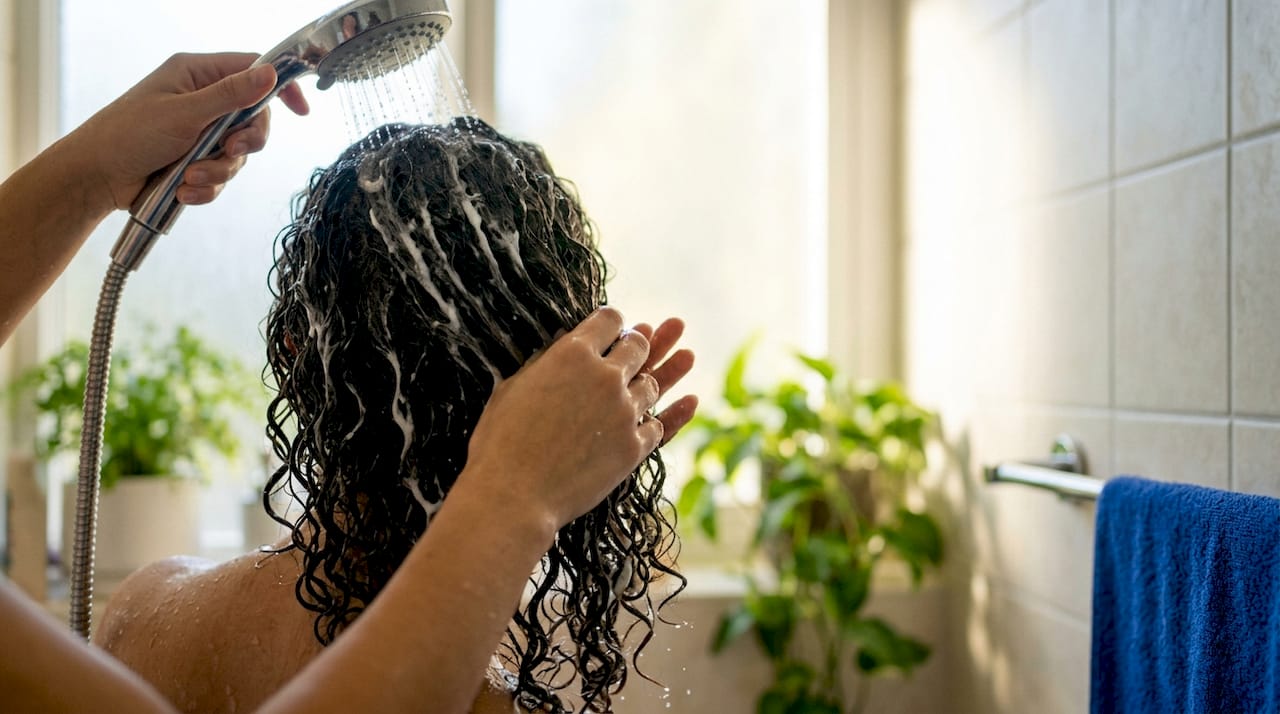
Pro Tip: Detangle curly or thick hair while it's saturated with conditioner in the shower. Wet, unprotected hair snaps easily, but conditioner-coated hair has enough slip to detangle without breakage.
How nutrition, stress, and health affect your hair
Topical care addresses the hair shaft. What you eat and how you live affects what grows out of the follicle. Both matter and neither replaces the other.
Key nutrients and lifestyle factors that support hair resilience:
- Protein: Hair is made of keratin, a protein. Inadequate dietary protein leads to weaker strands and increased shedding
- Iron: Low iron (even without clinical anemia) is one of the most common nutritional drivers of hair loss in women
- Vitamin D: Deficiency is linked to hair follicle cycling disruption
- Biotin: Often overhyped in marketing, but genuinely useful when there's an underlying deficiency
- Hydration: Chronically dehydrated hair is more brittle and prone to breakage
- Sleep: Growth hormone is released during deep sleep; poor sleep disrupts the hair growth cycle
- Stress management: Acute or chronic stress can trigger telogen effluvium, a temporary but significant shedding event
For more on which foods specifically support hair strength, Myhair's guide to hair nutrition and growth covers the evidence behind key dietary choices.
Sudden shedding, patchy loss, scalp inflammation, or breakage that worsens despite consistent care all warrant a visit to a dermatologist or board-certified trichologist. A focused medical evaluation is the right next step when home care isn't enough.
Repair treatments: masks, protein, and bond-repair products
The right treatment depends on what's wrong. Using a protein treatment on hair that needs moisture makes it more brittle. Using a moisture mask on structurally compromised hair doesn't address the actual problem.
Match the treatment to the damage:
- Dryness and brittleness: Use a moisturizing deep conditioning mask weekly. Look for ingredients like shea butter, aloe vera, or hyaluronic acid
- Structural breakage (snapping mid-strand): Use a protein treatment or bond-repair product. These work at the cortex level to reinforce weakened bonds
- Post-chemical damage: Bond-repair treatments are the most targeted option here
Product category examples worth discussing with your stylist:
- Bond-repair systems like Olaplex (specifically No. 3 for at-home use) work by reconnecting broken disulfide bonds in the hair cortex
- Biomimetic peptide treatments like K18 use a patented peptide to repair the keratin chains inside the shaft, with results typically visible after one to four uses
- Moisture-focused lines like Briogeo's Don't Despair, Repair! mask combine protein and moisture, making them useful for hair that's both dry and structurally stressed
- Professional conditioning systems like Davines' NOUNOU line target heavily processed or fragile hair with rich, reparative formulas
- Strengthening treatments from Bumble and Bumble, such as the Hairdresser's Invisible Oil line, combine heat protection with conditioning for everyday use
Bond-repair treatments and protein treatments can visibly strengthen hair faster than standard conditioners for structural damage, but trims remain the only way to remove irreparable split ends.
A practical maintenance calendar
Consistency matters more than any single product. Here's a schedule that covers the main maintenance tasks and why each one has the timing it does.
| Task | Frequency | Why |
|---|---|---|
| Trim | Every 6–8 weeks | Removes split ends before they travel up the shaft |
| Clarifying shampoo | Once a month | Clears mineral and product buildup that dulls and weighs hair |
| Deep conditioning mask | Weekly (dry/damaged) or biweekly (healthy) | Restores moisture lost to washing, heat, and environment |
| Protein treatment | Every 4–6 weeks or as needed | Reinforces structure; overuse causes brittleness |
| Chemical services | Every 8–10 weeks minimum | Spacing helps prevent compounding structural damage |
Seasonal adjustments:
- Winter: Cold air and indoor heating both strip moisture. Increase deep conditioning to weekly and consider a heavier leave-in or hair oil
- Summer: UV exposure degrades the cuticle similarly to heat damage. Use a UV-protective hair spray or wear a hat when you're in direct sun for extended periods. Rinse hair with fresh water before swimming in chlorinated or salt water, and rinse again immediately after
When home care isn't enough: signs you need a professional
Some hair and scalp conditions don't respond to better products or gentler habits because the cause is medical, not mechanical. Knowing when to escalate saves months of frustration.
Red flags that warrant a professional evaluation:
- Shedding more than 100–200 hairs per day consistently
- Patchy hair loss or bald spots appearing suddenly
- Scalp pain, tenderness, itching, or visible sores
- Breakage that worsens despite following a consistent, gentle routine for 8–12 weeks
- Significant changes in hair texture or density without an obvious cause
Who to see:
- Dermatologist: First stop for any suspected medical cause (thyroid issues, autoimmune conditions, hormonal changes, nutritional deficiencies). They can order bloodwork and perform a scalp biopsy if needed
- Trichologist: Specializes in hair and scalp health; useful for mechanical and chemical damage assessment when a medical cause has been ruled out
- Experienced stylist: Appropriate for evaluating damage from heat or chemical services and recommending a treatment plan
Pro Tip: Before your appointment, take photos of your hairline, part, and any areas of concern. Bring a written timeline of recent chemical services, heat use, supplements, and any medications. This saves time and helps the specialist give you a more accurate assessment.
How to assess your own hair damage at home
You don't need a lab to get a rough read on where your hair stands. These simple tests take about five minutes.
- Strand stretch test: Pull a single wet strand between two fingers and gently stretch it. Healthy hair stretches 30–50% before snapping back. If it snaps immediately with almost no stretch, it's protein-deficient. If it stretches and doesn't spring back, it's over-moisturized or structurally weak
- Porosity float test: Drop a clean, dry strand into a glass of room-temperature water. If it sinks quickly, porosity is high (damaged cuticle). If it floats for a while, porosity is low (intact cuticle)
- Split end check: Take a small section of hair and twist it gently. Split ends and breakage points will stick out visibly from the twisted section
- Gentle pull test: Gently run your fingers through a small section of dry hair. More than five or six hairs coming out in one pass suggests elevated shedding worth monitoring
- Scalp inspection: Part your hair in several places under good lighting. Look for redness, flaking, sores, or areas where the hair looks noticeably thinner
Interpreting results:
- Strand snaps immediately with no stretch: add a protein treatment this week
- Strand stretches but doesn't return: cut back on protein treatments, add moisture
- High porosity confirmed: seal moisture with an oil or butter after conditioning
- Visible scalp thinning or inflammation: see a dermatologist before continuing chemical services
Photo-tracking your hairline and part width every four weeks gives you objective data. Myhair's AI hair analysis scanner can provide a more structured baseline assessment from a photo, which is useful if you want to track changes systematically rather than by eye.
Does your water quality affect your hair?
Hard water, which contains elevated levels of calcium and magnesium minerals, leaves deposits on the hair shaft after every wash. Over time, this buildup makes hair feel rough, dull, and harder to detangle. It also reduces the effectiveness of conditioners because the minerals interfere with how conditioning agents bond to the hair.
If you live in a hard-water area (much of the American Southwest, Midwest, and parts of the Southeast), you may notice your hair feeling progressively drier or more tangled even with a good routine. A simple clarifying shampoo used monthly helps clear mineral buildup. Chelating shampoos, which are specifically formulated to bind and remove minerals, are more effective than standard clarifying formulas for this purpose.
Shower filters that reduce mineral content are another option. They attach directly to the showerhead and require replacement every few months. They won't eliminate hard water effects entirely, but they reduce the mineral load on your hair with every wash.
Soft water, by contrast, can make hair feel limp or overly slippery because there are fewer minerals to add texture. If your hair suddenly feels flat after moving to a new area, water quality may be a factor worth checking.
What most hair advice gets wrong
Most hair content focuses on products. The right shampoo, the right mask, the right oil. Products matter, but they're downstream of behavior. The readers who see the most improvement are the ones who change what they do, not just what they buy.
The step that gets skipped most often is the temperature check. People own a heat protectant and use it, but they're still running their flat iron at 450°F on fine hair. The protectant buys some time, but it doesn't neutralize the damage from excessive heat. Dropping the temperature from 450°F to 350°F and moving the tool faster does more for fine hair than any bond-repair product applied afterward.
The other underestimated factor is spacing. Chemical services done too close together don't just cause incremental damage. They can cause catastrophic breakage in a single appointment. The PMC literature on hair biology is clear that mechanical and chemical stressors compound, meaning two moderate stressors applied together can produce damage far worse than either would alone.
The most durable improvements come from consistent, boring habits: lower heat, gentler drying, regular trims, and spaced chemical services. That's not a satisfying answer, but it's the accurate one.
Myhair's personalized hair analysis takes the guesswork out of your routine
Knowing which steps apply to your specific hair type, damage level, and growth pattern makes the routine above far more effective. Myhair's AI-powered hair scanner analyzes photos of your hair and scalp to generate a personalized assessment, tracking changes over time so you can see whether your routine is actually working.
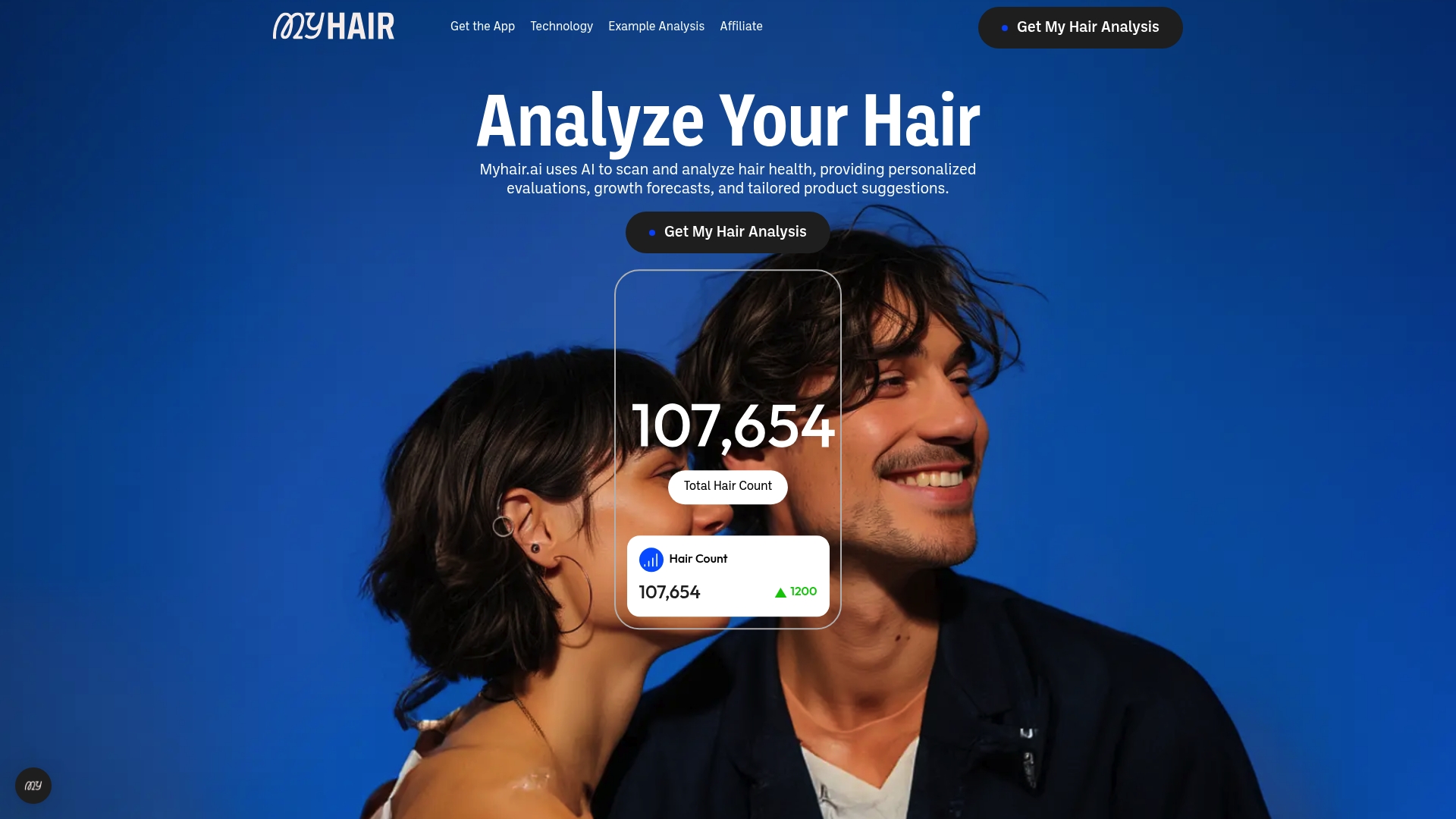
Upload a scan through the Myhair app onboarding to get a baseline hair health score, tailored product recommendations, and growth projections based on your individual patterns. Myhair's analysis complements the steps in this article, but it does not replace medical evaluation for conditions like alopecia, scalp disease, or significant shedding. If any of the red flags in this article apply to you, see a dermatologist first.
Sources
- Healthy hair care tips from dermatologists
- PMC review article on hair biology and damage
- How to treat and prevent hair breakage—expert tips
- How to prevent and fix heat damaged hair
- 6 steps to repair heat damage
This article is general information, not a substitute for advice from a qualified doctor. Consult a qualified healthcare professional about your own circumstances before acting on anything here.
FAQ
How do I make my hair less damaged starting today?
Apply a heat protectant before any hot tool, switch to a microfiber towel for drying, and detangle from ends to roots with a wide-tooth comb. These three habit changes reduce the most common sources of mechanical and heat damage immediately.
What is the biggest cause of hair breakage?
Mechanical friction and heat styling are the leading causes for most people. Rough towel drying, aggressive brushing, and high heat temperatures all degrade the cuticle, and the damage compounds when multiple stressors occur in the same routine.
How often should I trim my hair to prevent split ends?
Every 6–8 weeks is the standard recommendation for managing split ends. Trimming on this schedule removes damage before it travels up the shaft and worsens breakage.
When should I see a dermatologist about hair loss?
See a dermatologist if you're shedding more than 100–200 hairs per day consistently, noticing patchy bald spots, experiencing scalp pain or sores, or seeing rapid worsening despite following a careful routine for 8–12 weeks.
Can Myhair help me track whether my routine is working?
Yes. Myhair's AI hair scanner analyzes photos of your hair and scalp to establish a baseline and track changes over time, giving you objective data rather than guesswork about whether your routine is improving your hair health.