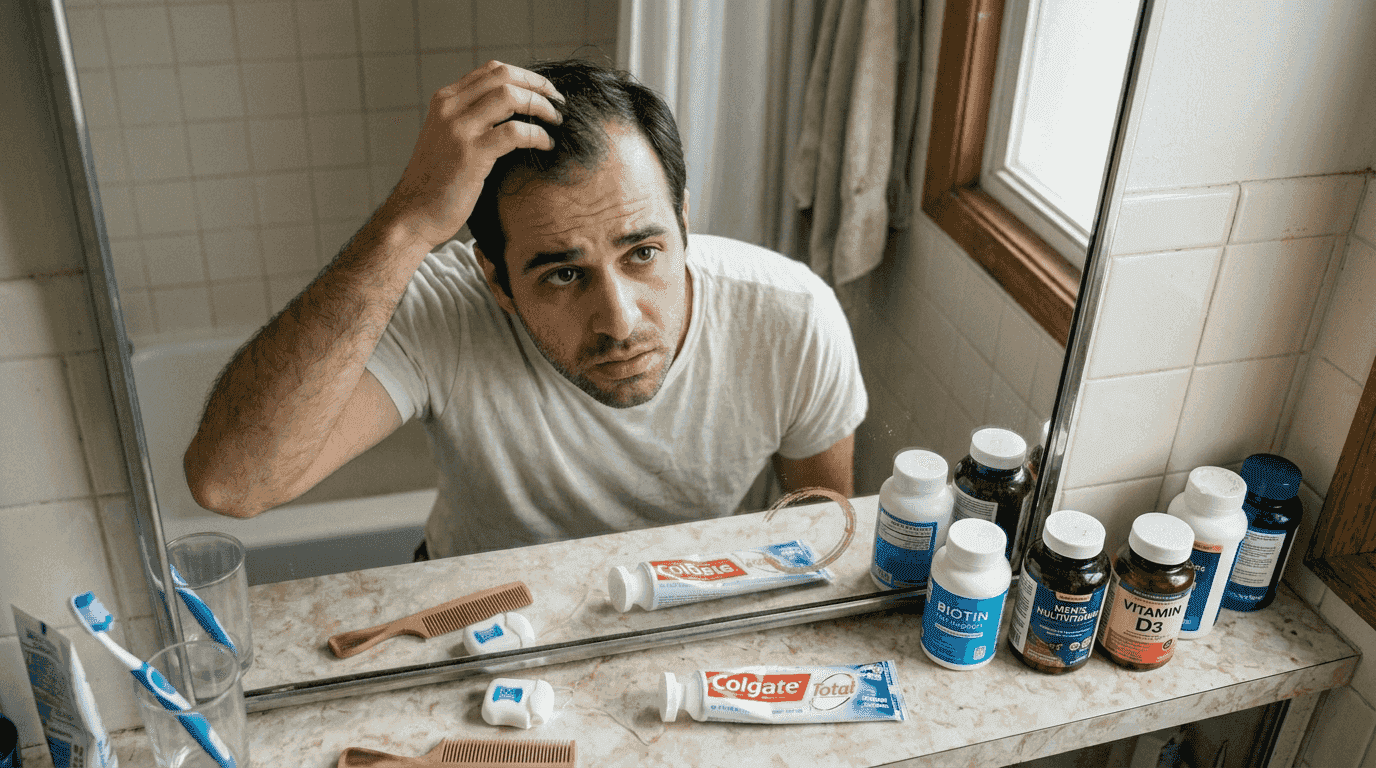
You've been taking supplements to strengthen your hair, but instead, you're noticing more shedding. Sounds contradictory, right? The truth is, certain supplements can actually trigger or worsen hair loss when taken incorrectly. This guide explains which supplements may cause problems, why it happens, and how to make informed choices about your hair health. We'll explore the science behind supplement-related hair loss and provide personalized insights to help you protect your hair while optimizing nutrition.
Table of Contents
- How Supplements Can Cause Hair Loss: Understanding The Risks
- The Role Of Deficiencies And How Correcting Them Helps
- Supplements For Androgenetic Alopecia (Aga): What The Latest Research Says
- Safe Supplement Use And When To Seek Professional Advice
- How Myhair Helps You Manage Hair Supplements And Health
Key takeaways
| Point | Details | |-------|---------|| | Not all supplements help | Excess vitamin A, selenium, or iron can damage hair follicles and increase shedding. | | Deficiency correction works | Fixing documented nutrient deficiencies improves hair but requires 8–12 weeks to show results. | | Genetic loss needs more | Supplements alone won't reverse androgenetic alopecia or hormonal hair loss patterns. | | Testing before supplementing | Always confirm deficiencies with lab tests before starting high-dose supplements. | | Professional help matters | Sudden, patchy, or inflamed hair loss requires medical evaluation for proper diagnosis. |
How supplements can cause hair loss: understanding the risks
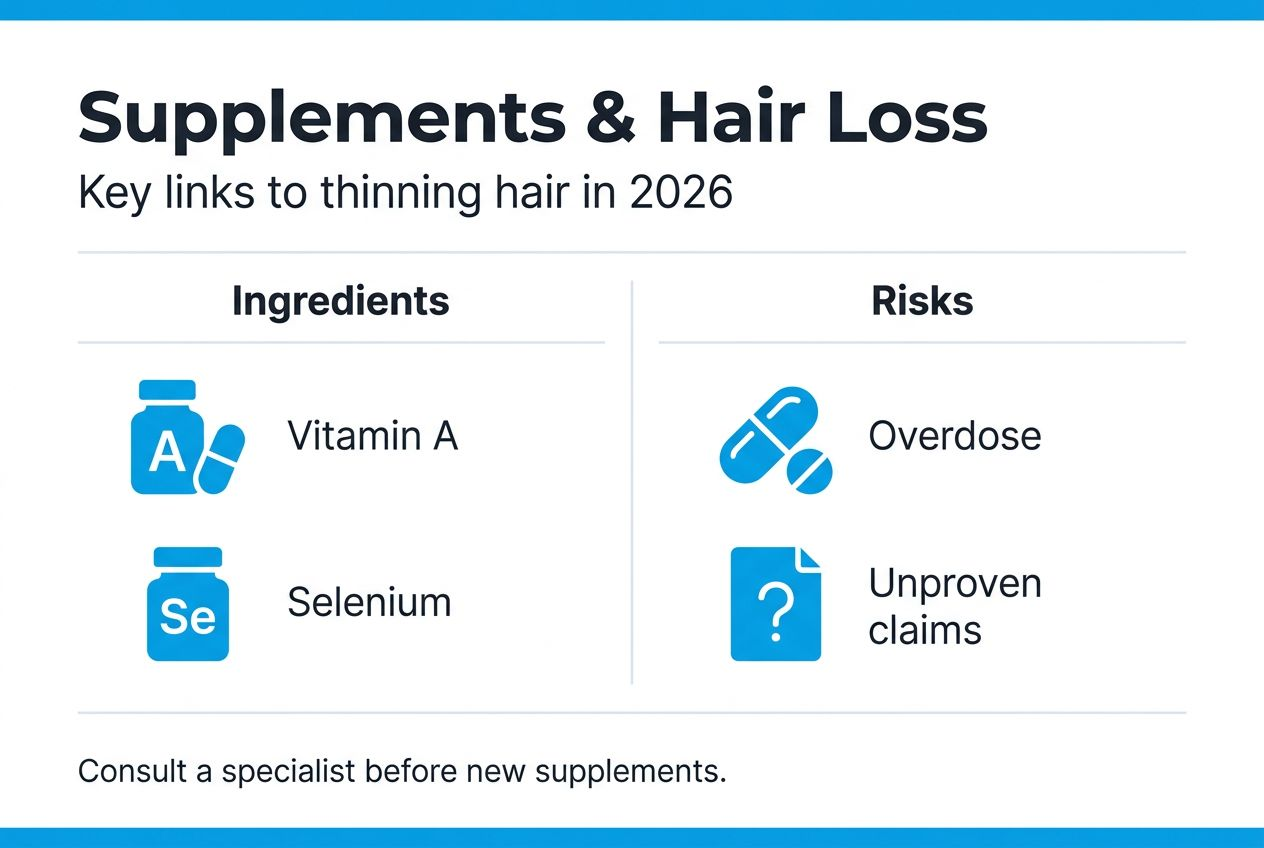
Your hair follicles are remarkably sensitive to nutritional imbalances. While we often think more nutrients equal better health, the reality is more complex. Too much vitamin A, selenium, or iron can actually damage hair follicles and trigger excessive shedding.
Vitamin A illustrates this narrow safety window perfectly. Both deficiency and excess have been linked to hair loss. When you consume too much of certain micronutrients, they induce toxicity that disrupts normal hair cycle regulation. Your follicles essentially become overwhelmed, shifting prematurely from the growth phase into shedding mode.
Several supplements that cause hair loss when taken excessively include:
- Vitamin A (retinol) in doses above 10,000 IU daily
- Selenium exceeding 400 mcg per day
- Iron supplements when you don't have a deficiency
- High-dose vitamin E (above 1,000 IU daily)
- Excess zinc interfering with copper absorption
"Vitamin overdoses can increase hair loss risk by disrupting follicle function. The margin between helpful and harmful is surprisingly small for fat-soluble vitamins."
Understanding these risks helps you avoid the common mistake of self-prescribing mega-doses. More isn't always better when it comes to your hair's nutritional needs.
The role of deficiencies and how correcting them helps
Now for the flip side. While excess supplementation causes problems, correcting actual deficiencies can dramatically improve hair health. The key difference? Knowing whether you truly need supplementation in the first place.

Common nutrient deficiencies linked to hair loss include iron (especially in women), vitamin B12, folate, and vitamin D. Supplements are most effective when addressing documented deficiencies rather than taken preventatively. Your body simply can't use nutrients it already has in sufficient supply.
Here's the timeline for seeing results when correcting a deficiency:
- Get laboratory testing to confirm specific nutrient deficiencies
- Begin targeted supplementation at appropriate therapeutic doses
- Wait 8–12 weeks minimum for hair follicles to respond
- Monitor progress with follow-up testing and visual assessment
- Adjust supplementation based on improved levels and hair growth
The wait can feel frustrating, but hair grows slowly by nature. Your follicles need time to shift back into healthy growth mode. Research confirms that micronutrient deficiencies represent a modifiable risk factor, meaning correction actually makes a measurable difference.
Pro Tip: Never start high-dose supplementation without lab confirmation of deficiency. What you assume is low iron might be something else entirely, and excess iron supplementation without need creates its own problems. Get tested first, supplement second.
For individuals without deficiencies, supplementation rarely provides hair benefits. Your money and effort are better spent on hair nutrition food insights that provide balanced nutrients through whole foods.
Supplements for androgenetic alopecia (AGA): What the latest research says
Androgenetic alopecia, or pattern hair loss, affects millions and has a strong genetic component. While supplements can't cure AGA, emerging research explores their potential as supportive treatments alongside standard therapies.
Dietary supplements are being explored as adjunct treatments for AGA, though evidence remains mixed. The most promising compounds work through mechanisms like androgen pathway modulation or antioxidant protection for follicles.
| Supplement | Proposed Mechanism | Evidence Strength |
|---|---|---|
| Saw palmetto | 5-alpha reductase inhibition | Moderate (small studies) |
| Pumpkin seed oil | Anti-androgenic effects | Low to moderate |
| Marine proteins | Follicle nourishment | Preliminary only |
| Vitamin D | Follicle cycling regulation | Conflicting results |
| Biotin | Keratin synthesis support | Weak (only if deficient) |
For common supplements like riboflavin, folate, or B12, research shows limited evidence supporting their use in non-deficient individuals with hair loss. Your body can't use extra B vitamins beyond what it needs, so supplementing without deficiency provides no hair benefit.
Some newer areas of investigation include:
- Omega-3 fatty acids for anti-inflammatory effects on follicles
- Polyphenol antioxidants protecting against oxidative stress
- Creatine supplementation and potential DHT impacts (controversial)
- Curcumin derivatives for follicle protection
Pro Tip: If you're treating AGA, combine supplements with proven standard treatments like minoxidil or finasteride rather than relying on supplements alone. Consult with specialists to create a comprehensive treatment plan tailored to your specific hair loss pattern and health profile.
Explore hair supplements for men solutions and alopecia androgenetica treatment best options 2025 for evidence-based approaches to genetic hair loss.
Safe supplement use and when to seek professional advice
Knowing when to supplement and when to seek professional help makes all the difference in protecting your hair health. Not all hair loss responds to nutritional intervention, and some types require immediate medical attention.
Seek professional evaluation if you experience:
- Sudden shedding, patchy loss, or scalp inflammation
- Hair loss accompanied by fatigue, weight changes, or other symptoms
- Rapid thinning over weeks rather than months
- Complete loss of hair in circular patches (possible alopecia areata)
- Scalp pain, burning, or visible skin changes
Remember, supplements alone are unlikely to reverse genetic or hormonal hair loss. These conditions require targeted medical treatments. Hair follicles are sensitive to both nutritional and hormonal changes, but hormonal causes need hormone-focused interventions.
Best practices for safe supplement use include:
- Confirm deficiencies through blood testing before supplementing
- Follow recommended daily allowances unless medically advised otherwise
- Monitor for side effects like digestive issues or unexpected symptoms
- Keep a hair journal tracking shedding and growth patterns
- Reassess supplementation every 3 to 6 months with follow-up testing
Pro Tip: Start one supplement at a time rather than multiple simultaneously. This approach helps you identify which nutrients actually help your hair and which might cause problems. If issues arise, you'll know exactly what to discontinue.
Consider consulting with hair specialist personalized solutions or a hair loss dermatologist who can evaluate your complete health picture. Professional guidance ensures your supplement strategy complements rather than conflicts with other treatments.
Personalized treatment strategies work best because your hair loss has unique contributing factors. Testing, monitoring, and adjusting based on results creates a sustainable path toward healthier hair.
How MyHair helps you manage hair supplements and health
Navigating supplement choices becomes easier with personalized insights into your specific hair condition. MyHair uses AI-powered hair analysis to assess your current hair health, track changes over time, and help you understand how supplements and treatments affect your results.
Our platform offers comprehensive hair analysis onboarding for individuals seeking to monitor hair health and make informed decisions about supplement use. For healthcare providers, clinic onboarding services enable professional-grade hair tracking and patient education.
Whether you're correcting a deficiency or exploring adjunct treatments for genetic hair loss, MyHair provides the data and insights you need to measure what's working. Stop guessing about your hair health and start making decisions based on personalized analysis.
FAQ
What supplements are most commonly linked to hair loss?
Excessive vitamin A, selenium, and iron are most frequently associated with supplement-induced hair loss. When taken in recommended doses, these nutrients are generally safe and even beneficial. Self-prescribing high doses without medical guidance significantly increases your risk of experiencing unwanted hair shedding.
Can taking supplements reverse genetic hair loss?
Supplements may help if nutrient deficiencies contribute to your hair loss, but they typically cannot reverse androgenetic alopecia or hormonal hair loss patterns alone. Genetic and hormonal hair loss requires standard medical treatments like minoxidil, finasteride, or other therapies. Combining appropriate supplements with proven treatments offers the best approach for comprehensive hair care.
How long does it take to see improvement from correcting a supplement deficiency?
Visible improvement in hair growth after correcting nutrient deficiencies typically requires 8 to 12 weeks minimum. Hair grows slowly, and follicles need time to shift from shedding phase back into healthy growth mode. Consistent supplementation at appropriate doses combined with regular monitoring ensures you stay on track toward better hair health.
When should I consult a healthcare professional about hair loss?
Consult a doctor if you experience sudden excessive shedding, patchy bald spots, scalp inflammation, or rapid thinning over a short period. These symptoms may indicate conditions requiring medical diagnosis and treatment beyond nutritional support. Early professional evaluation helps rule out serious underlying conditions and guides you toward the most effective treatment strategy for your specific situation.