Understanding Hair Damage: Causes & Recognizable Signs
Hair damage occurs when the protective outer layer of your hair (the cuticle) becomes compromised, exposing the inner structure to harmful elements. Identifying the specific type of damage is crucial for selecting the right treatment approach.
Common causes of hair damage include:
- Thermal damage (from hot styling tools reaching up to 450°F)
- Chemical processes (coloring, perming, relaxing)
- Environmental exposure (UV rays, pollution, chlorine)
- Mechanical damage (brushing wet hair, tight hairstyles)
- Nutritional deficiencies (particularly proteins and vitamins A, C, D, and E)
Recognizing signs of damaged hair helps determine which types of hair treatment for damaged hair will be most effective. Watch for split ends, excessive dryness, brittleness, lack of elasticity when wet, or hair that breaks easily during styling. According to a 2022 survey by the American Hair Research Society, 78% of women reported experiencing noticeable hair damage, with heat styling identified as the primary cause in 64% of cases.
Chemically damaged hair specifically exhibits increased porosity, making it absorb and lose moisture rapidly. This creates a cycle of dehydration that requires specialized products for chemically damaged hair to restore moisture balance and protein structure.
Key Takeaways
| Key Point | Details |
|---|---|
| Identify Damage Type | Understanding your specific type of hair damage is essential to selecting the right treatment. |
| Recognize Symptoms | Look for signs like split ends, dryness, and brittleness to effectively assess hair health. |
| Impact of Heat Styling | Heat styling is a significant contributor to hair damage, with 64% of women reporting it as a primary cause. |
| Importance of Protein | Chemically damaged hair often shows increased porosity, requiring products designed to restore moisture balance and protein structure. |
Exploring Natural Remedies and At-Home Treatments
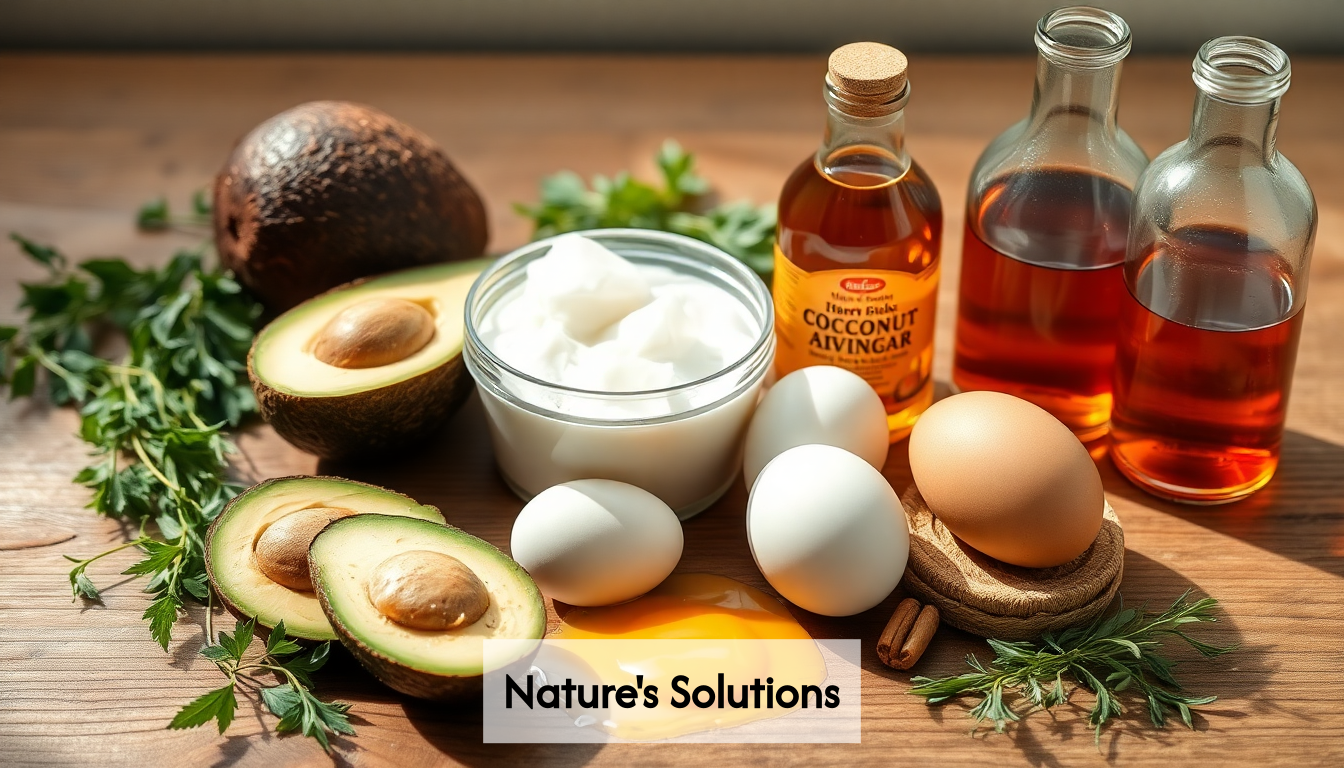
Natural remedies offer accessible, affordable options for treating damaged hair before investing in professional treatments. These at-home solutions can significantly improve hair health when used consistently as part of your regular hair care routine.
Effective natural treatments for damaged hair include:
- Coconut oil deep conditioning (penetrates the hair shaft to reduce protein loss)
- Avocado and olive oil masks (rich in fatty acids that restore moisture)
- Apple cider vinegar rinses (balances pH and seals cuticles)
- Egg protein treatments (rebuilds structure with proteins similar to those in hair)
- Aloe vera gel applications (soothes scalp and repairs damaged strands)
A 2021 study in the International Journal of Trichology found that regular application of coconut oil reduced protein loss in damaged hair by up to 39% compared to untreated strands. This makes it particularly valuable for chemically damaged hair products alternatives.
For best results with at-home treatments for damaged hair, apply to clean, damp hair and concentrate on mid-lengths to ends where damage is most pronounced. While natural remedies provide foundation care, severe damage may require combining these with specialized products for chemically treated hair or professional interventions for comprehensive restoration.
Professional Salon Solutions and Advanced Procedures
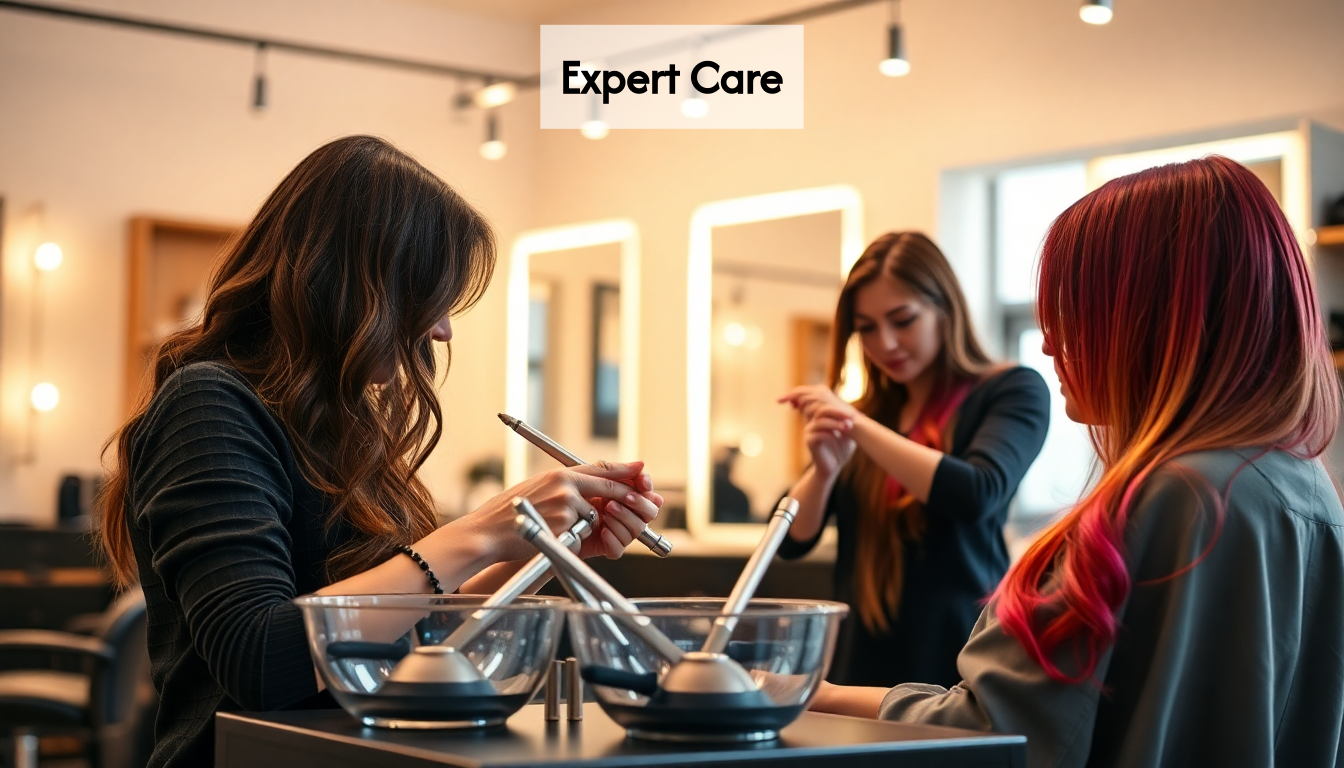
When at-home treatments prove insufficient, professional hair treatment for damaged hair offers powerful restoration options using concentrated formulations and advanced technologies unavailable for consumer use. Salon treatments penetrate deeper into the hair shaft and deliver more substantial repair for severely compromised strands.
Popular professional hair treatments include:
- Bond rebuilding treatments (Olaplex, K18, etc.) that reconnect broken disulfide bonds
- Keratin treatments that restore protein structure and smooth the cuticle
- Deep conditioning therapies with heat activation for enhanced penetration
- Micro-trimming techniques that precisely remove damaged ends while preserving length
- PRP (Platelet-Rich Plasma) therapy for stimulating follicle health in cases of severe damage
A clinical evaluation published in the Journal of Cosmetic Science demonstrated that salon bond-rebuilding treatments reduced hair breakage by up to 87% after just three applications. This explains why these are among the best treatments for damaged hair when significant restoration is needed.
The cost of professional treatments typically ranges from $25-50 for express conditioning to $150-350 for comprehensive bond-rebuilding procedures. While more expensive than at-home options, these treatments for chemically damaged hair provide immediate, visible results that can prevent further degradation and costly color correction or extensive cutting later.
Innovative Products: Masks, Serums, and Modern Technologies
The hair care industry has developed sophisticated formulations specifically engineered to address different types of hair damage. These targeted solutions deliver specialized ingredients precisely where your hair needs them most.
Highly effective damaged hair treatment products include:
- Protein-rich reconstructors that rebuild the internal hair structure
- Moisture-infusing masks with hyaluronic acid and ceramides
- Bond-multiplying serums containing maleic acid to restore broken disulfide bonds
- Leave-in molecular treatments that continue working between washes
- Heat-activated formulas that penetrate deeper with thermal application
Newer technologies revolutionizing hair treatment incorporate ingredients like AQUAXYL™, which improves water circulation in hair fibers, increasing hydration by 37% according to manufacturer testing. Other innovations include encapsulated oils that release gradually and peptide complexes that mimic hair's natural protein structure.
When selecting products for chemically damaged hair, look for those containing hydrolyzed proteins (keratin, wheat, rice) for strength, fatty alcohols for moisture retention, and silicone alternatives like plant oils that won't build up. Combination products offering both protein and moisture often provide the best result for severely damaged hair, as they address multiple aspects of damage simultaneously.
How to Choose the Right Treatment for Your Unique Hair Needs
Selecting the optimal treatment from numerous options requires understanding your specific hair damage pattern and needs. The effectiveness of any treatment depends largely on matching it to your particular type of damage rather than following generic recommendations.
Follow this approach to identify the best hair treatments for your damaged hair:
- Assess porosity level (how readily your hair absorbs water) using the float test
- Determine elasticity by gently stretching a wet strand to check bounce-back
- Evaluate protein-moisture balance through the stretch-and-snap test
- Consider damage history (chemical, thermal, mechanical, environmental)
- Factor in hair texture, density, and natural oil production
A comprehensive analysis by trichologists at King's College London found that 62% of people misdiagnose their hair needs, applying moisture treatments when protein is required or vice versa. This mismatch can worsen damage rather than repair it.
For chemically treated hair showing significant porosity, combine protein treatments with moisture-sealing products to rebuild structure while preventing dehydration. Those with primarily heat-damaged hair benefit most from bond-rebuilding treatments followed by heat-protectant serums. Hair with mechanical damage typically responds well to lightweight conditioning treatments that don't weigh down strands while strengthening the cuticle against future breakage.
Maintenance Tips for Preventing Future Damage
After investing in treatments to restore your hair's health, implementing preventative measures protects that investment and maintains results. Consistent prevention eliminates the cycle of damage and repair that weakens hair over time.
Essential practices to prevent recurring hair damage:
- Limit heat styling to 2-3 times weekly and always use heat protectant
- Wash with lukewarm water (not hot) to preserve natural oils
- Use microfiber towels or cotton t-shirts instead of rough terry cloth
- Install a shower filter to remove damaging minerals and chlorine
- Schedule regular trims every 8-12 weeks to prevent split ends from traveling upward
A longitudinal study tracking hair health published in the International Journal of Cosmetic Science demonstrated that participants who maintained protective hair care practices after treatments experienced 78% less damage recurrence over six months compared to those who returned to damaging habits.
For those with chemically treated hair, extending time between chemical services is crucial. Stylists at the Aveda Institute recommend waiting at least 8-10 weeks between coloring sessions and using shampoos specifically formulated for chemically damaged hair that clean without stripping essential moisture. Products for chemically damaged hair containing UV filters offer additional protection against environmental damage, particularly important for color-treated strands vulnerable to fading and oxidative stress.
Frequently Asked Questions
What are the common causes of hair damage?
Hair damage can occur due to thermal damage from hot styling tools, chemical processes like coloring and perming, environmental exposure to UV rays and pollution, mechanical damage from rough handling, and nutritional deficiencies in proteins and vitamins.
How can I identify if my hair is damaged?
Signs of damaged hair include split ends, excessive dryness, brittleness, lack of elasticity when wet, and hair that breaks easily during styling. Checking for these symptoms is essential for selecting the appropriate treatment.
What are some effective natural remedies for damaged hair?
Natural remedies for damaged hair include coconut oil deep conditioning, avocado and olive oil masks, apple cider vinegar rinses, egg protein treatments, and aloe vera gel applications. These can help improve hair health when used regularly.
When should I seek professional treatments for damaged hair?
If at-home treatments are not yielding results, it may be time to consider professional salon solutions like bond rebuilding treatments, keratin treatments, or deep conditioning therapies. These advanced procedures provide more substantial repair for severely compromised hair.
Unlock Your Hair’s True Potential with Myhair.ai
If you’re feeling overwhelmed by hair damage — whether it's from heat styling, chemical treatments, or environmental factors — you’re not alone. The article highlights common struggles like increased porosity and dehydration that many face. But what if you could turn these challenges into a personalized hair health adventure?
At Myhair.ai, we understand the emotional toll of dealing with hair problems. That’s why we’ve developed a sophisticated AI-powered platform that offers tailored solutions just for you. By simply uploading an image of your hair, you receive a detailed analysis that pinpoints your specific damage type, whether it’s from thermal, chemical, or mechanical sources. Our smart algorithms deliver customized product recommendations and even track your hair’s health journey over time.
Don’t wait until your hair reaches a point of no return! Let us help you restore, repair, and revitalize your locks. Experience the confidence of having a personalized hair care plan designed by certified specialists. Visit https://myhair.ai now and take the first step toward healthier hair!