Onion oil is fast becoming a popular choice for people searching for thicker and healthier hair and not just because of old remedies. Recent studies show that onion oil can increase hair regrowth in over 74 percent of participants with patchy hair loss. Most expect a miracle cure to come from a chemical lab or a pricey salon product. The surprise is that a basic kitchen vegetable delivers results that have grabbed the attention of modern scientists and hair experts alike.
Table of Contents
- What is Onion Oil and Its Origin?
- The Benefits of Onion Oil for Hair Growth
- How Onion Oil Promotes Hair Health
- Key Nutrients in Onion Oil and Their Effects
- Understanding the Science Behind Hair Growth
Quick Summary
| Takeaway | Explanation |
|---|---|
| Onion oil enhances hair growth. | The sulfur-rich composition stimulates hair follicles, supporting keratin production and hair strength. |
| Natural protection against hair loss. | Antioxidants in onion oil combat free radicals and scalp infections, fostering an ideal growth environment. |
| Mineral-rich for scalp health. | Essential minerals like sulfur and potassium nourish hair roots, improving protein synthesis and cellular metabolism. |
| Deep penetration for effectiveness. | The molecular structure of onion oil allows it to penetrate hair follicles, facilitating better nutrient delivery. |
| Promotes scalp wellness. | Onion oil reduces inflammation and provides antimicrobial benefits, contributing to overall hair and scalp health. |
What is Onion Oil and Its Origin?
Onion oil represents a natural hair care solution derived from the Allium cepa plant, with roots deeply embedded in traditional medicinal practices. Modern scientific research confirms that this unique extract has been utilized for centuries to address various hair and scalp concerns.
The Botanical Basis of Onion Oil
Originating from the common onion bulb, onion oil is extracted through specialized processes that capture the plant's potent nutritional profile. The extraction typically involves two primary methods: steam distillation and cold pressing. These techniques help preserve the oil's critical compounds, including sulfur rich components, which contribute significantly to its potential hair growth benefits.
Key characteristics of onion oil include:
- High sulfur content
- Rich in antioxidants
- Natural antimicrobial properties
- Potential anti inflammatory effects
Understanding Onion Oil's Composition
The chemical makeup of onion oil distinguishes it from other natural hair treatments. Packed with essential nutrients like quercetin, vitamin C, and various minerals, this extract offers more than just a pleasant aroma. Its molecular structure allows for deep penetration into hair follicles, potentially stimulating growth and improving overall scalp health.
Read more about advanced hair growth techniques to understand how natural extracts like onion oil can complement comprehensive hair care strategies. The unique blend of organic compounds makes onion oil a fascinating subject for researchers exploring natural solutions for hair restoration and maintenance.
The Benefits of Onion Oil for Hair Growth
Onion oil has emerged as a powerful natural solution for individuals seeking to improve hair health and stimulate growth. Clinical studies have demonstrated remarkable potential in addressing various hair growth challenges through its unique biochemical properties.
Stimulating Hair Follicle Regeneration
The sulfur rich composition of onion oil plays a critical role in hair regeneration. Sulfur is an essential protein building block that supports keratin production, the primary structural component of hair. By delivering concentrated sulfur directly to hair follicles, onion oil helps strengthen existing hair strands and potentially reactivate dormant follicles.
Key mechanisms of hair follicle stimulation include:
- Enhanced blood circulation in scalp tissues
- Improved nutrient delivery to hair roots
- Reduction of scalp inflammation
- Strengthening of hair protein structures
Combating Hair Loss and Promoting Growth
Beyond stimulation, onion oil exhibits powerful protective characteristics against hair loss. Its antioxidant profile helps neutralize free radicals that can damage hair follicles, while its antimicrobial properties combat scalp infections that might impede healthy hair growth. The oil's natural compounds work synergistically to create an optimal environment for robust hair development.
Explore personalized hair growth strategies to understand how targeted natural treatments can complement your hair care routine. Onion oil represents a promising natural intervention for individuals experiencing hair thinning or seeking to enhance their hair's overall health and appearance.
How Onion Oil Promotes Hair Health
Onion oil represents a sophisticated natural intervention for comprehensive scalp and hair wellness. Scientific research reveals its multifaceted approach to supporting optimal hair conditions through intricate biochemical interactions.
Nutritional Support for Hair Follicles
The nutritional profile of onion oil provides critical support for hair follicle health. Rich in essential minerals like sulfur, potassium, and phosphorus, this natural extract delivers targeted nutrients directly to hair roots. These minerals play crucial roles in strengthening hair structure, enhancing protein synthesis, and maintaining cellular metabolism within hair follicle environments.
Key nutritional benefits include:
- Direct mineral delivery to hair roots
- Enhanced protein synthesis
- Improved cellular metabolism
- Strengthened hair shaft structure
Protective Mechanisms Against Hair Damage
Onion oil functions as a powerful protective agent against multiple forms of hair damage. Its antioxidant compounds neutralize harmful free radicals that can compromise hair follicle integrity. The oil's natural antimicrobial properties create a hostile environment for potential scalp infections, while simultaneously reducing inflammation that might impede healthy hair growth.
Learn about comprehensive hair care strategies to understand how targeted natural treatments can transform your hair health approach. Onion oil emerges as a sophisticated solution for individuals seeking holistic and proactive hair maintenance techniques.
Key Nutrients in Onion Oil and Their Effects
Onion oil is a complex blend of bioactive nutrients that contribute significantly to hair and scalp health. Scientific research reveals the intricate ways these nutrients interact to support hair growth and maintenance.
Sulfur and Protein Synthesis
Sulfur stands as the cornerstone nutrient in onion oil, playing a pivotal role in hair protein metabolism.
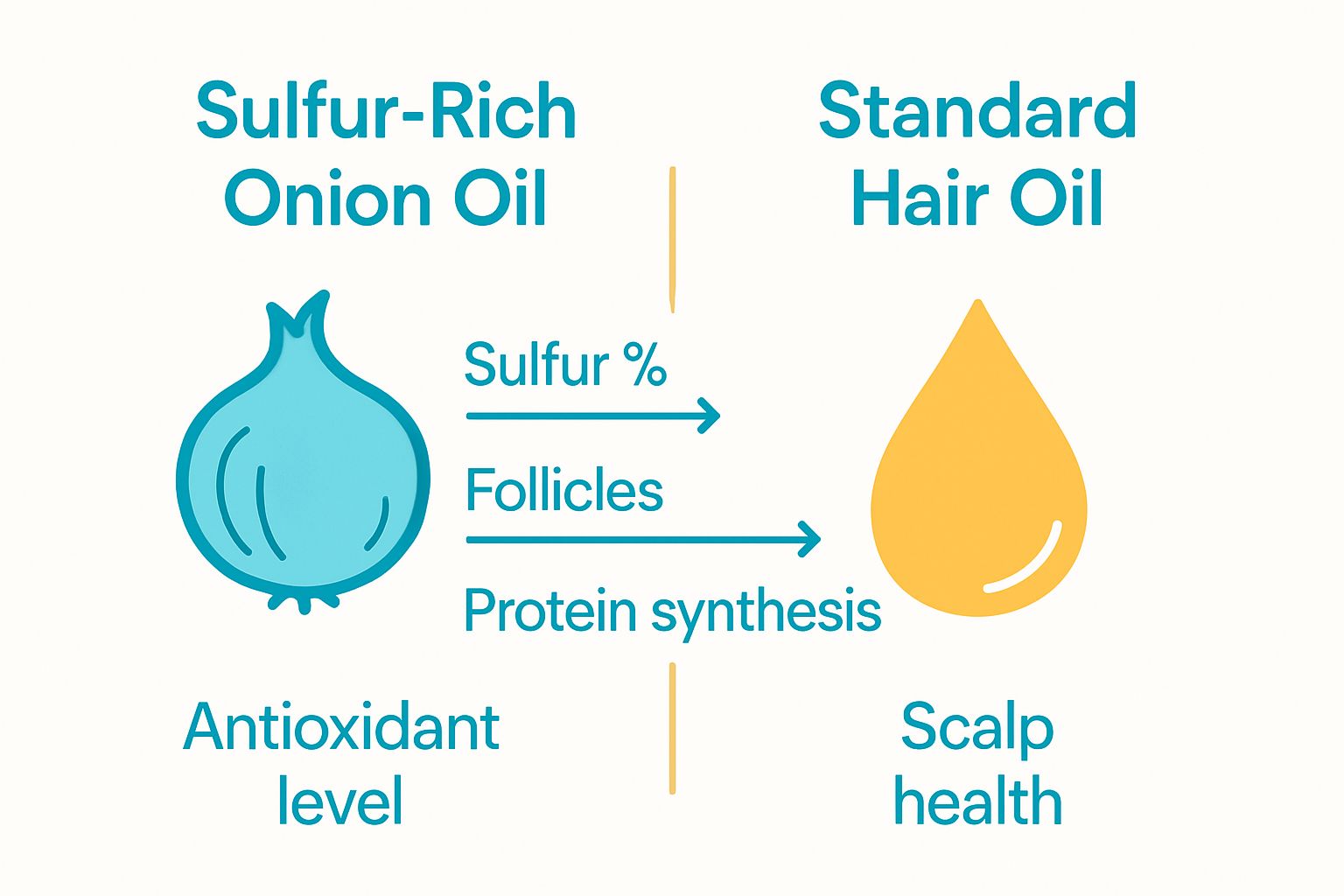 This essential mineral serves as a fundamental building block for keratin, the primary structural protein in hair strands. By facilitating enhanced protein synthesis, sulfur helps strengthen hair from the root, reducing breakage and promoting more resilient hair growth.
Key sulfur related benefits include:

- Accelerated keratin production
- Improved hair strand elasticity
- Enhanced structural integrity of hair follicles
- Reduced protein degradation
Antioxidant and Mineral Profile
Beyond sulfur, onion oil contains a rich array of antioxidants and trace minerals that contribute to comprehensive hair health. Flavonoids like quercetin work to neutralize free radicals, protecting hair follicles from oxidative stress. Minerals such as potassium and phosphorus support cellular metabolism, ensuring optimal nutrient absorption and hair follicle functioning.
Discover personalized hair nutrition insights to understand how targeted nutritional interventions can transform your hair care approach. The complex nutrient profile of onion oil represents a sophisticated natural strategy for individuals seeking to optimize their hair health through targeted nutritional support.
To clarify the main ingredients and their functions, here is a table summarizing the key nutrients in onion oil and their effects on hair health:
| Nutrient | Function in Hair Health | Specific Effects |
|---|---|---|
| Sulfur | Builds and strengthens hair proteins | Supports keratin production, increases strand strength |
| Quercetin | Acts as antioxidant | Neutralizes free radicals, protects follicles |
| Vitamin C | Supports collagen formation | Enhances scalp health, aids overall hair integrity |
| Potassium | Regulates cellular metabolism | Improves nutrient absorption in hair follicles |
| Phosphorus | Supports cell growth and repair | Maintains strong, healthy hair roots |
Understanding the Science Behind Hair Growth
Hair growth represents a complex biological process governed by intricate molecular mechanisms and cellular interactions. Scientific research reveals the sophisticated physiological pathways that determine hair follicle behavior and cycling.
The Hair Growth Cycle Explained
The hair growth process unfolds through a precisely regulated three phase cycle.
Each hair follicle independently progresses through anagen (active growth), catagen (transition), and telogen (resting) stages. During the anagen phase, rapid cell proliferation occurs at the follicle root, generating new hair shaft cells. This phase determines the length and thickness of hair strands, typically lasting between two to seven years depending on genetic and environmental factors.
Key characteristics of the hair growth cycle include:
To provide a quick visual guide, here is a table outlining the three phases of the hair growth cycle and their key characteristics:
| Phase | Description | Duration | Key Characteristics |
|---|---|---|---|
| Anagen | Active growth | 2-7 years | Fast cell growth, new hair formation |
| Catagen | Transition (regression) | 2-3 weeks | Follicle shrinks, hair detaches from blood supply |
| Telogen | Resting (shedding) | 2-4 months | Hair is released and falls out |
- Independent follicular progression
- Variable duration across different body regions
- Continuous cellular regeneration
- Genetic and hormonal influence
Molecular Factors Influencing Hair Development
Hair growth is fundamentally regulated by a complex interplay of growth factors, hormones, and genetic signals. Molecular mechanisms like vascular endothelial growth factor (VEGF) and insulin like growth factor 1 (IGF-1) play crucial roles in stimulating follicular activity. These biochemical signals trigger cellular proliferation, determine hair shaft structure, and manage the transition between different growth phases.
Explore comprehensive hair growth insights to understand the intricate science behind maintaining healthy hair development. The dynamic nature of hair growth demonstrates the remarkable complexity of human biological systems.
Take Control of Your Hair Growth Journey with Personalized Insights
Struggling with slow hair growth or persistent thinning, even after exploring natural solutions like onion oil? You are not alone. Many people feel frustrated when traditional remedies do not give the results they want. Understanding how ingredients such as sulfur and antioxidants from onion oil work is powerful, but knowing how they interact with your unique hair profile can make all the difference.

Imagine seeing personalized guidance built from cutting-edge AI, tailored exactly to your scalp and hair type. At MyHair.ai, you can upload your own scans and get a custom analysis. Dive deeper than general advice by linking your routine to science-backed recommendations made just for you. Do not wait for uncertainty to steal your progress. Start tracking real improvements and discover products that truly work for your needs by visiting MyHair.ai's advanced assessment tools. Experience the confidence of having your very own hair growth strategy, designed to turn insight into action now.
Frequently Asked Questions
What is onion oil and how is it used for hair growth?
Onion oil is a natural extract derived from the common onion bulb, known for its high sulfur content and antioxidants. It is used for hair growth by applying it directly to the scalp to stimulate hair follicles, improve blood circulation, and provide essential nutrients for healthier hair.
What are the main benefits of using onion oil on hair?
Onion oil promotes hair growth, reduces hair loss, combats scalp infections, and strengthens hair strands. Its rich sulfur content aids in keratin production, while its antioxidants and antimicrobial properties create a healthy environment for hair development.
How often should onion oil be applied for best results?
For optimal results, onion oil can be applied to the scalp 2-3 times per week. It's essential to leave it on for at least 30 minutes to one hour before washing it out, allowing the nutrients to penetrate the hair follicles effectively.
Can onion oil help with dry or damaged hair?
Yes, onion oil can help with dry or damaged hair by offering nutritional support and protection against environmental stressors. Its moisturizing properties and ability to strengthen the hair shaft can improve overall hair health and appearance.
Recommended
- Onion Hair Oil for Hair Growth: Benefits and How to Use | MyHair
- Understanding Avocado Oil for Hair Growth: A Deep Dive | MyHair
- Olive Oil for Hair Growth: Proven Benefits and Easy Solutions 2025 | MyHair
- How to Use Virgin Olive Oil for Hair Growth and Care | MyHair
- BabyLoveGrowth | #1 Automated Organic Growth Platform for Google and ChatGPT
- Kurkuma Wirkung Haare: 7 Erkenntnisse für die Haarpflege