
Millions of men notice their hair getting thinner as the years go by. It is easy to assume this is just a cosmetic change. But the story goes much deeper. About 50 percent of men will face significant hair loss by the time they turn 50. This isn’t just about appearance. Thicker hair actually protects your scalp from serious UV damage and could even reveal signs of bigger health issues hiding beneath the surface.
Table of Contents
- What Causes Hair Thinning in Men? Understanding the Basics
- The Importance of Hair Density: Why Thicker Hair Matters
- How Hair Growth Works: The Science Behind Thickness
- Key Factors Influencing Hair Thickness: Genetics to Lifestyle
- Natural Solutions for Thicker Hair: Exploring Effective Approaches
Quick Summary
| Takeaway | Explanation |
|---|---|
| Genetics is a leading cause of hair thinning. | Male pattern baldness is primarily influenced by genetic inheritance and hormone interactions, especially DHT. |
| Hormonal changes affect hair growth cycles. | Testosterone and DHT shorten hair growth phases, leading to thinner hair over time. |
| Nutrition supports healthy hair thickness. | A diet rich in proteins, omega-3s, and essential vitamins can enhance hair health and density. |
| Stress management is crucial for hair health. | Chronic stress can disrupt hair growth, highlighting the importance of overall wellness practices. |
| Hair density reflects general health. | Changes in hair thickness can indicate underlying health issues or nutritional deficiencies. |
What Causes Hair Thinning in Men? Understanding the Basics
Hair thinning represents a complex biological process affecting millions of men worldwide, driven by multiple interconnected factors that progressively impact hair follicle health and growth patterns. Understanding these underlying mechanisms provides critical insights into managing and potentially mitigating hair loss.
Genetic Predisposition: The Primary Trigger
Male pattern baldness, scientifically known as androgenetic alopecia, emerges as the most prevalent cause of hair thinning. Research from the National Institutes of Health demonstrates that approximately 50% of men experience significant hair loss by age 50, with genetic inheritance playing a fundamental role. This hereditary condition occurs when specific genes interact with male hormones, primarily dihydrotestosterone (DHT), causing progressive follicular miniaturization.
Key genetic factors contributing to hair thinning include:
- Inherited sensitivity to DHT
- Family history of male pattern baldness
- Specific androgen receptor gene variations
Hormonal and Physiological Influences
Testosterone and its derivative DHT significantly impact hair follicle behavior. When DHT binds to hair follicle receptors, it triggers a process that shortens the hair growth cycle, gradually producing thinner, shorter hair strands. This hormonal mechanism explains why some men experience accelerated hair thinning during specific life stages.
Additionally, physiological changes such as stress, nutritional deficiencies, and medical conditions can exacerbate hair loss. According to MedlinePlus, factors like thyroid disorders, autoimmune diseases, and significant physical or emotional stress can trigger temporary or permanent hair thinning.
To help clarify the most significant causes of hair thinning in men, the following table summarizes the roles of genetics, hormones, and physiology as described in the article.
| Factor | Role in Hair Thinning |
|---|---|
| Genetics | Inherited sensitivity to DHT and family history can trigger male pattern baldness. |
| Hormonal Changes | Testosterone and DHT shorten the hair growth phases, causing progressive thinning. |
| Physiological Stressors | Nutritional deficiencies, medical conditions, and stress can lead to temporary or permanent loss. |
| Medical Conditions | Thyroid disorders and autoimmune diseases may accelerate hair thinning. |
For those seeking personalized insights into their hair health, our comprehensive hair analysis guide offers advanced diagnostic approaches to understanding individual hair loss patterns.
The Importance of Hair Density: Why Thicker Hair Matters
Hair density represents more than aesthetic appeal—it plays a crucial role in overall scalp health, physical protection, and psychological well-being for men. Understanding the multifaceted significance of hair volume helps individuals appreciate its deeper biological and personal importance.
Physiological Protection and Health Functions
Research in photobiology reveals that hair density provides critical ultraviolet protection for the scalp, acting as a natural defense mechanism against harmful radiation. Thicker hair directly correlates with increased protection from sun damage, reducing risks of scalp skin disorders and potential skin cancer development.
Key protective functions of hair density include:
- Shielding scalp skin from direct UV exposure
- Regulating scalp temperature
- Minimizing direct environmental damage
- Preventing moisture loss
Psychological and Social Implications
Beyond physical protection, hair density significantly impacts psychological health and social perception. Men with fuller hair often report higher self-confidence and experience more positive social interactions. Thicker hair is frequently associated with youth, vitality, and attractiveness, influencing personal and professional relationships.

Indicators of Overall Health
Hair density serves as a valuable biomarker for underlying health conditions. Significant changes in hair volume can signal nutritional deficiencies, hormonal imbalances, or potential systemic health issues. Comprehensive hair analysis provides insights into individual health patterns, transforming hair assessment from purely cosmetic to a diagnostic tool.
For men seeking deeper understanding of their hair health, exploring personalized hair density strategies can unlock comprehensive insights into maintaining optimal scalp conditions and overall well-being.
How Hair Growth Works: The Science Behind Thickness
Hair growth represents a sophisticated biological process involving complex cellular interactions and genetic programming. Understanding the intricate mechanisms behind hair thickness provides crucial insights into maintaining optimal scalp health and addressing potential growth challenges.
The Hair Growth Cycle: Biological Foundation
Research from the National Institutes of Health reveals that hair growth occurs through a precise cyclical process involving three distinct phases. This cycle determines not just hair length, but critically, its diameter and overall thickness.
The primary stages of hair growth include:
- Anagen (active growth phase lasting 2-6 years)
- Catagen (transitional phase lasting several weeks)
- Telogen (resting phase where hair naturally sheds)
The following table outlines the three stages of the hair growth cycle and their characteristics, as explained in the article. This visual helps clarify the biological foundation behind hair thickness.
| Hair Growth Phase | Duration | Key Function |
|---|---|---|
| Anagen | 2-6 years | Active growth phase; hair grows in length and thickness |
| Catagen | Several weeks | Transitional phase; follicle shrinks and hair growth slows |
| Telogen | Several months | Resting and shedding phase; old hairs are released and replaced |
Cellular Mechanisms of Hair Thickness
The dermal papilla—a specialized cluster of cells located at the hair follicle base—plays a pivotal role in determining hair shaft size and growth potential. These cells communicate complex biochemical signals that regulate follicle size, shaft diameter, and overall hair characteristics. Hormonal influences, particularly testosterone and dihydrotestosterone (DHT), interact with these cellular mechanisms to impact hair thickness.
Genetic and Hormonal Influences
Genetic programming significantly influences individual hair thickness through inherited traits that control follicle size and growth patterns. The interaction between androgen receptors and hormones determines whether hair follicles produce thick, terminal hairs or progressively miniaturized strands.
Learn more about personalized hair growth insights to understand how individual biological factors contribute to hair thickness and potential strategies for optimization.
Key Factors Influencing Hair Thickness: Genetics to Lifestyle
Hair thickness emerges from a complex interplay of biological, environmental, and lifestyle factors. Understanding these multifaceted influences empowers men to take proactive steps in maintaining robust hair health and addressing potential thinning challenges.
To better understand which daily factors may impact hair thickness, this table compares genetic, lifestyle, and hormonal influences described in the article.
| Influence Type | Examples from Article | Impact on Hair Thickness |
|---|---|---|
| Genetic | Androgen receptor genes, ethnic markers, family history | Dictates fundamental thickness and growth patterns |
| Lifestyle/External | Diet, stress, exercise, sleep, environmental exposure | Can support or compromise hair density and quality |
| Hormonal | Testosterone, DHT, physiological stressors | Affects growth cycle and possibility of miniaturization |
Genetic Determinants of Hair Thickness
Research from genetic studies reveals that specific genetic variants directly impact hair shaft diameter and overall hair characteristics. The genetic blueprint inherited from parents plays a crucial role in determining fundamental hair attributes, including thickness, texture, and growth patterns.
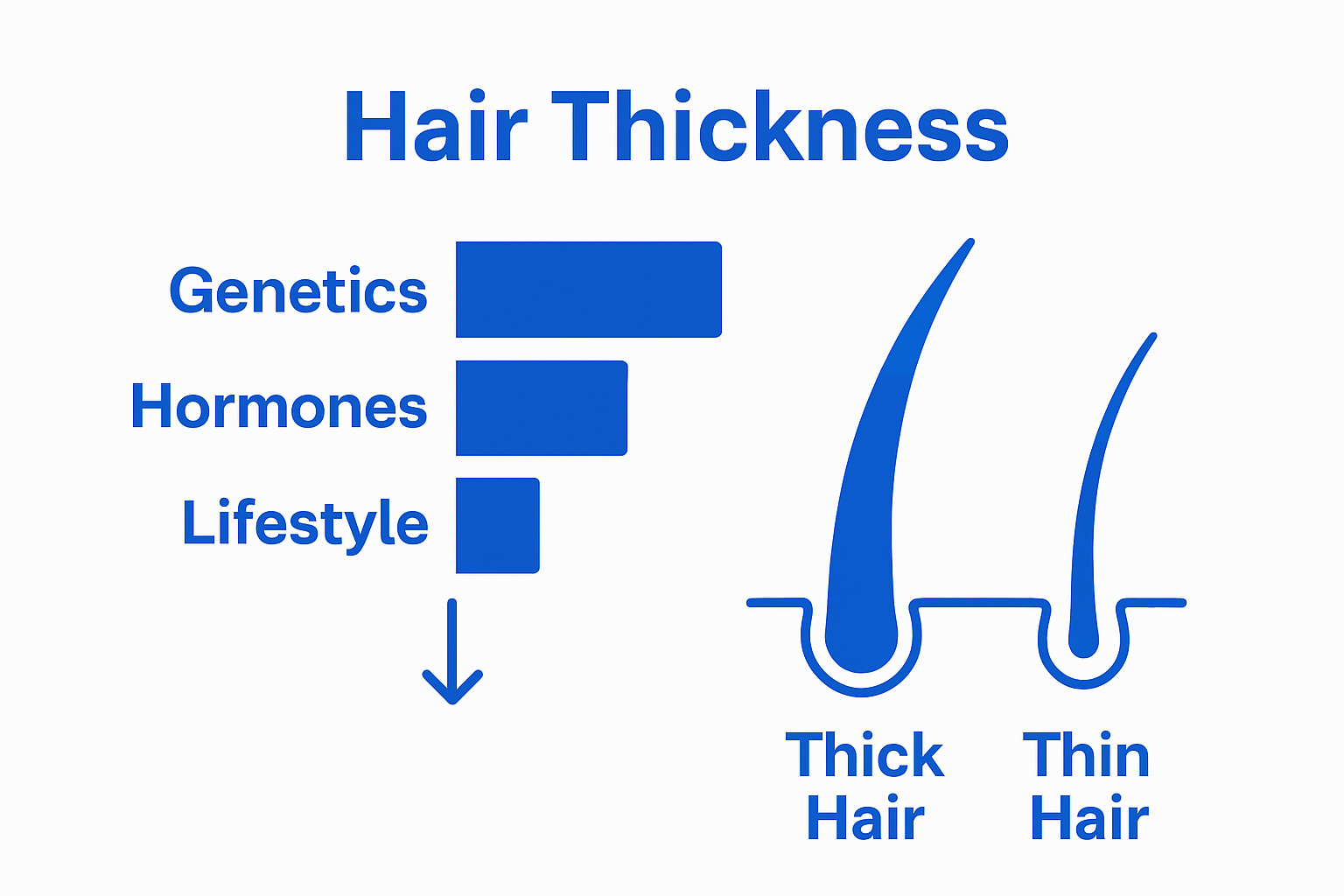
Key genetic factors influencing hair thickness include:
- Inherited androgen receptor gene variations
- Specific ethnic genetic markers
- Family history of hair density patterns
- Cellular signaling mechanisms related to hair follicle development
Lifestyle and Environmental Influences
Beyond genetic predisposition, lifestyle choices significantly impact hair thickness. Nutritional intake, stress levels, and overall health create a dynamic environment that can either support or diminish hair quality. Factors such as diet, exercise, sleep patterns, and environmental exposures play critical roles in maintaining optimal hair health.
Hormonal and Physiological Interactions
Hormonal balance represents a pivotal factor in hair thickness. Testosterone and its derivative dihydrotestosterone (DHT) interact with hair follicles, influencing growth cycles and potential miniaturization. According to medical research, physiological stressors can trigger temporary hair thinning, with conditions like high fever, major illness, or significant emotional stress potentially causing substantial hair shedding.
Explore our comprehensive guide to personalized hair health strategies to understand how individual factors contribute to maintaining and improving hair thickness.
Natural Solutions for Thicker Hair: Exploring Effective Approaches
Addressing hair thinning requires a comprehensive approach that integrates lifestyle modifications, nutritional strategies, and scientifically supported interventions. Understanding natural methods can empower men to take proactive steps toward maintaining and improving hair thickness without solely relying on pharmaceutical treatments.
Nutritional Foundations for Hair Health
Research highlights that dietary intake plays a crucial role in supporting hair follicle strength and growth. Nutritional deficiencies can significantly impact hair density, making strategic dietary choices essential for maintaining optimal hair health.
Key nutritional strategies include:
- Consuming protein-rich foods to support keratin production
- Incorporating omega-3 fatty acids for scalp health
- Ensuring adequate intake of vitamins A, C, and E
- Managing iron and zinc levels through balanced nutrition
Holistic Lifestyle Interventions
Stress management and overall wellness directly influence hair thickness. Chronic stress can trigger physiological responses that compromise hair growth cycles, making holistic lifestyle approaches critical. Regular exercise, adequate sleep, and stress reduction techniques can create an internal environment more conducive to healthy hair development.
Advanced Natural Therapeutic Approaches
According to medical research, certain natural interventions show promise in supporting hair thickness. Low-level light therapy and specific scalp treatments can stimulate follicular activity without invasive procedures. Understanding individual physiological responses remains key to selecting the most effective natural solutions.
Discover personalized strategies for natural hair thickening to develop a targeted approach tailored to your unique hair health needs.
Transform Your Hair Journey with Personalized AI Insights
Struggling with persistent hair thinning or worried about declining hair density? As discussed in "Understanding Thicker Hair for Men: Key Insights Explained," you are not alone. The pain of seeing thinner hair in the mirror can impact confidence and leave you searching for real answers. Genetics, hormones, and lifestyle all play a role, but discovering exactly what affects your hair is the first step toward thicker, healthier growth.
Ready to leave speculation behind and see what is truly happening with your hair? Join thousands of men who use MyHair.ai for advanced AI-based hair health analysis. Upload your scan and receive a detailed assessment tailored to your unique hair pattern, so you can target the real causes of thinning. Get actionable recommendations and track your improvement over time. Visit MyHair.ai today to experience insight-driven hair care. Your renewed confidence starts now.
Frequently Asked Questions
What are the main causes of hair thinning in men?
Hair thinning in men can be attributed to several factors including genetic predisposition, hormonal influences (like DHT), physiological changes, stress, and nutritional deficiencies. Male pattern baldness, or androgenetic alopecia, is the most common cause, affected by inherited traits and hormone interaction.
How does hair density impact overall health?
Hair density is not just important for aesthetic reasons; it plays a role in overall scalp health, UV protection, and psychological well-being. Thicker hair can shield the scalp from UV damage, regulate temperature, and is often associated with youth and vitality, affecting social interactions and self-confidence.
What nutritional strategies can help improve hair thickness?
To improve hair thickness, it's recommended to consume a balanced diet rich in protein, omega-3 fatty acids, vitamins A, C, and E, and to manage iron and zinc levels. These nutrients support keratin production and overall follicle health, which is critical for maintaining hair density.
How does stress affect hair growth?
Chronic stress can negatively impact hair growth by disrupting the normal growth cycle, leading to conditions like telogen effluvium, where hair falls out more easily. Managing stress through exercise, adequate sleep, and relaxation techniques can help mitigate this impact on hair health.