
TL;DR:
- Vitamin D deficiency is linked to hair loss by disrupting follicle growth cycles and immune regulation. Correcting deficiency can promote regrowth over 6 to 12 months, especially in autoimmune conditions like alopecia areata. Proper testing and balanced supplementation with nutrients like magnesium optimize outcomes and prevent toxicity.
Vitamin D is a fat-soluble hormone that directly influences hair follicle cycling, and low levels are clinically linked to increased hair shedding and thinning. If you are losing more hair than usual, a vitamin D deficiency may be a contributing factor worth investigating. Research now shows that deficiency affects over 50% of people with telogen effluvium, alopecia areata, and female pattern hair loss. Understanding this connection is not just reassuring. It is the first step toward doing something about it.
How does vitamin D affect hair follicle growth cycles?
Vitamin D receptors (VDRs) are expressed in the keratinocytes that line hair follicles, and their activation is what drives follicles into the anagen, or active growth, phase. When VDR signaling is disrupted by low vitamin D levels, follicles stall in the resting phase longer than they should. The result is increased shedding and slower regrowth. This is the biological foundation behind the vitamin D and hair growth connection, and it is more specific than most people realize.
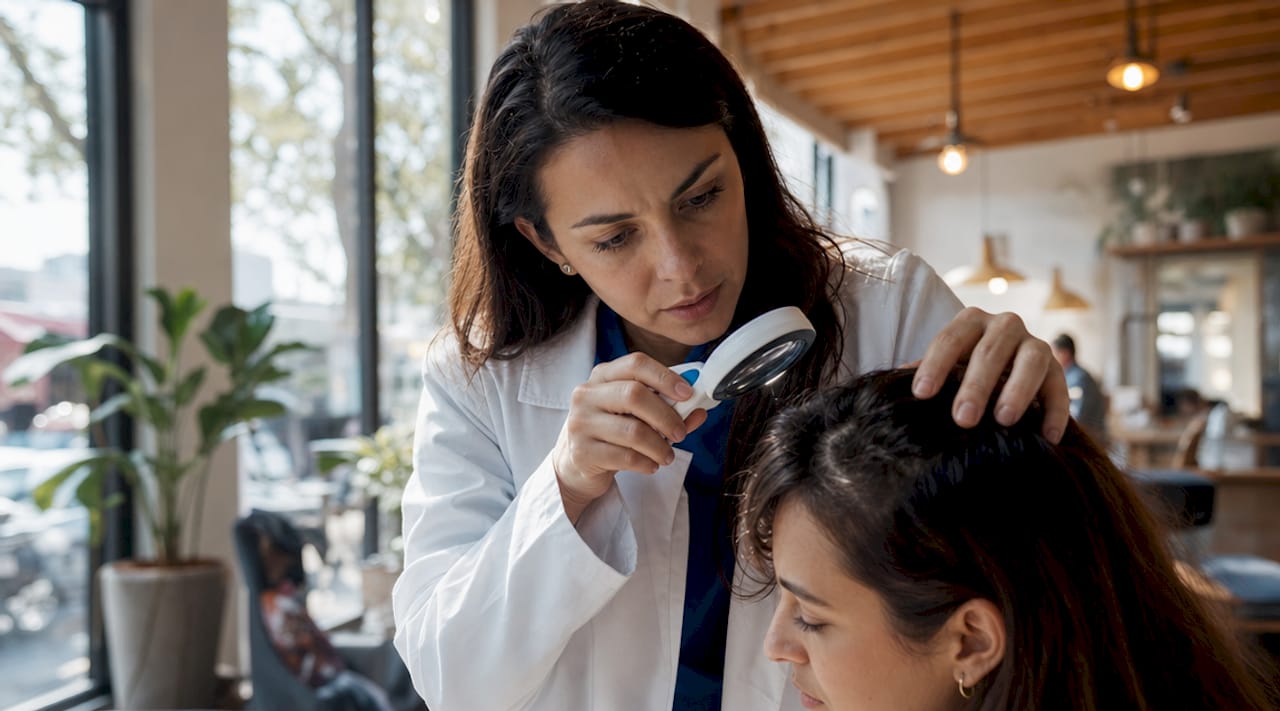
The immune-regulating function of vitamin D matters just as much as its direct follicle effects. Vitamin D suppresses pro-inflammatory T-helper 1 cells and promotes regulatory T cells, which keeps the immune system from attacking hair follicles. This mechanism is especially relevant in alopecia areata, an autoimmune condition where the immune system mistakenly targets follicles. Vitamin D3 hair supplementation works partly by calming this immune overreaction.
Follicle health also depends on the structural proteins that keratinocytes produce. VDRs regulate gene expression in these cells, meaning that without adequate vitamin D, the quality of the hair shaft itself can decline alongside the growth rate. The practical implication is that vitamin D benefits for hair extend beyond just preventing loss. They include supporting the thickness and integrity of new growth.
Pro Tip: If you are experiencing diffuse thinning rather than patterned loss, vitamin D deficiency is one of the first nutrient gaps to rule out. It is inexpensive to test and straightforward to correct.
What clinical evidence supports vitamin D and hair loss?
The clinical data on vitamin D deficiency and hair loss is consistent, even if causation is not fully proven. Patients with alopecia areata show median serum 25(OH)D levels of 17.10 ng/mL compared to 22.60 ng/mL in healthy controls. Deficiency was present in 54.55% of alopecia areata cases versus 38.64% of controls, and having deficient levels increased the odds of alopecia areata by more than three times. That is a statistically meaningful gap, not a coincidence.

The pattern holds across multiple hair loss types. Vitamin D deficiency rates reach 53.5% in telogen effluvium, 51.9% in alopecia areata, 50.3% in female pattern hair loss, and 47.4% in male androgenetic alopecia. No other single nutrient shows this level of consistent association across so many distinct hair loss diagnoses. That breadth of association is what makes testing for deficiency a logical first step in any hair loss workup.
What to expect from the timeline
Correcting a deficiency does not produce overnight results. Hair follicles operate on biological cycles that cannot be rushed. Most people notice decreased shedding within 3 to 6 months of correcting their deficiency, with visible regrowth appearing between 6 and 12 months. This timeline reflects how long it takes follicles to complete a full cycle and produce new, visible strands.
The evidence is strongest in autoimmune and deficiency-driven hair loss. For androgenetic alopecia, where genetics and hormones are the primary drivers, vitamin D plays a supporting role rather than a curative one. Setting realistic expectations based on your specific hair loss type is critical to avoiding frustration.
| Hair loss type | Vitamin D deficiency prevalence | Evidence strength |
|---|---|---|
| Telogen effluvium | 53.5% | Strong association |
| Alopecia areata | 51.9% | Strongest, with odds ratio data |
| Female pattern hair loss | 50.3% | Moderate association |
| Male androgenetic alopecia | 47.4% | Moderate, hormonal factors dominant |
How to supplement vitamin D safely for hair health
Getting the dose right matters more than most people assume. The Cleveland Clinic recommends at least 2,000 IU per day for individuals with a confirmed deficiency or alopecia areata. The Endocrine Society sets a more conservative baseline of 600 to 800 IU daily for general health and discourages routine high-dose supplementation without confirmed deficiency. The gap between these recommendations reflects the difference between treating a deficiency and maintaining adequate levels in someone who is already sufficient.
Toxicity is a real risk at high doses. Harvard Health warns that exceeding 4,000 IU daily without medical supervision raises the risk of hypercalcemia and kidney stones. Vitamin D is fat-soluble, meaning it accumulates in tissue rather than being excreted like water-soluble vitamins. More is not better. Targeted supplementation based on your actual 25(OH)D blood levels is the only approach that optimizes results while avoiding harm.
Food sources worth including in your diet:
- Fatty fish (salmon, mackerel, sardines): among the richest natural sources of vitamin D3
- Egg yolks: modest but consistent contribution to daily intake
- Fortified foods: milk, orange juice, and cereals often contain added vitamin D2 or D3
- UV-exposed mushrooms: one of the few plant-based sources of meaningful vitamin D
Magnesium also plays a role that most people overlook. Magnesium is required to convert vitamin D into its active form in the body. Without adequate magnesium, supplementing vitamin D may have limited effect. For a broader look at hair-supportive supplements, combining vitamin D with magnesium and other targeted nutrients is more effective than taking any single supplement in isolation.
Pro Tip: Get a 25(OH)D blood test before starting any supplement regimen. A result below 20 ng/mL confirms deficiency. A result between 20 and 30 ng/mL indicates insufficiency. Both warrant correction, but the dose and urgency differ.
What other factors influence hair loss alongside vitamin D?
Vitamin D deficiency rarely acts alone. A complete hair loss workup should include iron, ferritin, vitamin B12, zinc, and thyroid function, since deficiencies in any of these can produce shedding that looks identical to vitamin D-related loss. Treating only one deficiency while missing others leads to partial results and prolonged frustration. The best food supplement for hair loss protocols address multiple nutrient gaps simultaneously rather than isolating a single variable.
Stress and hormonal shifts are equally significant. Cortisol disrupts the hair growth cycle by pushing follicles into the resting phase prematurely, which is why major life stressors often produce visible shedding two to three months after the triggering event. Hormonal changes from thyroid disorders, postpartum recovery, or perimenopause compound nutrient deficiencies and make hair loss harder to attribute to any single cause.
| Factor | Effect on hair | Testable? |
|---|---|---|
| Vitamin D deficiency | Disrupts follicle cycling and immune regulation | Yes, serum 25(OH)D |
| Iron/ferritin deficiency | Reduces oxygen delivery to follicles | Yes, serum ferritin |
| Thyroid dysfunction | Alters growth phase duration | Yes, TSH and free T4 |
| Chronic stress | Elevates cortisol, triggers telogen effluvium | Partially, via cortisol testing |
| Scalp inflammation | Blocks follicle function directly | Clinical assessment |
Scalp health is a direct, physical factor that supplements cannot fully address on their own. Seborrheic dermatitis, scalp psoriasis, and chronic inflammation physically obstruct follicle function. Addressing foods that contribute to hair loss and reducing dietary triggers for inflammation can support the scalp environment that supplements are trying to improve. Vitamin D for hair growth works best when the scalp itself is healthy enough to respond.
Key takeaways
Vitamin D supports hair regrowth by activating follicle receptors, regulating immune function, and correcting a deficiency that affects more than half of people with common hair loss conditions.
| Point | Details |
|---|---|
| VDR activation drives growth | Vitamin D receptors in follicles must be activated to push hair into the anagen phase. |
| Deficiency is widespread | Over 50% of people with telogen effluvium, alopecia areata, and female pattern hair loss are deficient. |
| Test before you supplement | A 25(OH)D blood test confirms deficiency and guides the correct dose to avoid toxicity. |
| Expect a 6 to 12 month timeline | Visible regrowth follows natural follicle cycles and cannot be accelerated beyond biological limits. |
| Vitamin D works best in context | Combine with iron, B12, zinc, and magnesium testing for a complete picture of hair loss causes. |
Why I think most people are supplementing vitamin D wrong for hair
I have reviewed a lot of hair loss cases where vitamin D was treated as a magic bullet. Someone reads that deficiency is linked to hair loss, buys a high-dose supplement, takes it for six weeks, sees no change, and concludes it does not work. That sequence misses almost everything important about how this actually functions.
The strongest case for vitamin D in hair regrowth is in autoimmune hair loss, specifically alopecia areata. The immunomodulatory mechanism is real and well-documented. For diffuse shedding from telogen effluvium, correcting a confirmed deficiency genuinely helps, but only if deficiency is actually present. Taking 5,000 IU daily when your 25(OH)D level is already at 45 ng/mL does nothing for your hair and adds toxicity risk.
What I find consistently underappreciated is the timeline issue. Hair follicles do not respond to nutrient correction the way skin does. You are waiting for an entire follicle cycle to complete. Six months of patience after correcting a deficiency is the minimum before drawing conclusions. Most people quit at week eight.
Urban living genuinely increases deficiency risk in ways people underestimate. Office workers in northern latitudes who commute by car and work indoors can go weeks without meaningful sun exposure. If that describes your lifestyle, testing your vitamin D level is not optional. It is the starting point for any serious hair loss investigation.
— Cyriac
See exactly what is happening with your hair
If you are trying to figure out whether vitamin D or another factor is driving your hair loss, guessing is the least efficient approach. Myhair's AI hair density scanner analyzes thinning patterns across your scalp and gives you a quantified baseline to work from.
Once you have a baseline, Myhair tracks changes over time so you can see whether your supplement regimen is producing measurable results. The personalized hair score system translates scan data into a clear metric, removing the guesswork from monitoring progress. When you are investing months into correcting a deficiency, having objective data on whether it is working makes the process far less frustrating.
FAQ
Does vitamin D deficiency cause hair loss?
Vitamin D deficiency is strongly associated with hair loss, with deficiency rates exceeding 50% across telogen effluvium, alopecia areata, and female pattern hair loss. The association is well-documented, though researchers note it is not yet proven to be a direct cause in all cases.
How much vitamin D should I take for hair regrowth?
The Cleveland Clinic recommends at least 2,000 IU per day for those with confirmed deficiency or alopecia areata, while the Endocrine Society sets a general baseline of 600 to 800 IU daily. Always confirm your 25(OH)D level with a blood test before choosing a dose, and stay below 4,000 IU daily without medical supervision.
How long does it take to see hair regrowth after correcting vitamin D deficiency?
Most people notice reduced shedding within 3 to 6 months of correcting a deficiency, with visible new growth appearing between 6 and 12 months. This timeline reflects the natural duration of the hair follicle growth cycle.
Is vitamin D3 better than vitamin D2 for hair?
Vitamin D3 (cholecalciferol) raises serum 25(OH)D levels more effectively than vitamin D2 (ergocalciferol) and is the form most commonly recommended by clinicians for correcting deficiency. Most high-quality supplements and fortified foods now use D3 for this reason.
Can I get enough vitamin D for hair health from food alone?
Food sources like fatty fish, egg yolks, and fortified juices contribute to vitamin D intake but rarely provide enough to correct a clinical deficiency on their own. Supplementation guided by blood testing is the most reliable way to reach and maintain therapeutic levels.