TL;DR:
- Seasonal hair loss, also known as telogen effluvium, is a temporary shedding caused by changes in daylight and temperature. It usually lasts 2-3 months and occurs mainly in late summer, fall, and early spring. Managing it involves consistent nutrition, gentle hair care, environmental protection, proper supplementation, and stress reduction over a full hair cycle.
Seasonal hair loss, clinically known as telogen effluvium, is a temporary increase in shedding triggered by shifts in daylight and temperature. Shedding typically lasts 2–3 months, aligned with the natural hair cycle of 8–12 weeks. Most people lose noticeably more hair in late summer through fall, then again in early spring. The good news is that the best ways to manage seasonal hair loss are practical, evidence-based, and within reach for anyone willing to be consistent.
1. Ways to manage seasonal hair loss through nutrition
Hair is approximately 95% keratin, a protein your body builds from the amino acids you eat. That single fact makes diet the most direct lever you have over hair health during shedding season.

Protein intake matters most. The recommended daily intake to support hair growth is 0.8–1.0 grams of protein per kilogram of body weight. For a 150-pound person, that is roughly 55–68 grams per day. Eggs, chicken, Greek yogurt, lentils, and tofu all deliver complete or near-complete amino acid profiles that feed the follicle.
Micronutrients fill the gaps protein cannot. Iron carries oxygen to follicles through the bloodstream. Zinc supports cell division in the hair matrix. Vitamin D regulates the hair cycle at the follicle receptor level. A deficiency in any one of these slows the anagen (growth) phase and pushes more hairs into shedding.
- Eat iron-rich foods like lean red meat, spinach, and fortified cereals
- Pair iron sources with vitamin C (bell peppers, citrus) to improve absorption
- Include zinc from pumpkin seeds, oysters, or chickpeas daily
- Get 15 minutes of midday sun exposure when possible for natural vitamin D
Crash diets are a direct trigger for telogen effluvium. Caloric restriction below roughly 1,200 calories per day signals nutritional stress to the body, which deprioritizes hair growth. A hair care routine for hair fall built on consistent, balanced eating is more protective than any single supplement.
Pro Tip: Add a tablespoon of ground flaxseed to your morning oatmeal. It delivers omega-3 fatty acids that reduce scalp inflammation, one of the quieter contributors to seasonal shedding.
2. Gentle hair care routines that reduce mechanical damage
Wet hair is structurally vulnerable. Brushing wet hair breaks keratin bonds along the shaft, causing breakage that looks identical to shedding but is entirely preventable. Use a wide-tooth comb or a detangling brush, always starting from the ends and working upward toward the roots.
Wash frequency is a scalp decision, not a hair texture decision. Shampoo every 2–3 days during fall and winter based on how oily your scalp feels, not on habit or hair length. Washing too often strips the protective lipid barrier and leaves follicles exposed to environmental stress. Washing too infrequently allows sebum buildup that can clog follicles and slow growth.
- Use a sulfate-free shampoo to preserve scalp oils during dry months
- Apply conditioner from mid-shaft to ends only, never directly on the scalp
- Pat hair dry with a microfiber towel rather than rubbing with terry cloth
- Avoid tight hairstyles like high ponytails or braids that pull on the follicle
Pro Tip: Line your winter hats with satin or silk fabric. Silk and satin linings create far less friction against hair shafts than wool or synthetic materials, cutting down on breakage during the months when hair is already most vulnerable.
Scalp moisturizing deserves its own step in your routine. Dry indoor air during winter pulls moisture from the scalp skin, causing flaking and irritation that disrupts the follicle environment. A lightweight scalp oil, such as jojoba or argan, applied once or twice a week keeps the skin barrier intact without clogging pores.
3. Protecting hair from environmental stressors
UV radiation does measurable damage to hair protein. UV exposure weakens keratin structure and degrades the lipid layer on the hair shaft, making strands brittle and prone to breakage. This is most relevant in summer, but reflected UV from snow in winter also causes damage.
Chlorine and salt water are underrated culprits. Both strip the hair's natural oils and swell the cuticle, making strands porous and fragile. Rinsing your hair with fresh water before entering a pool or the ocean reduces how much chlorine or salt the hair absorbs. It is a 30-second step that makes a real difference.
Practical environmental protections include:
- Apply a UV-protective hair spray before outdoor activities lasting more than 30 minutes
- Wear a wide-brimmed hat or UV-blocking cap during peak sun hours (10 a.m. to 4 p.m.)
- Rinse hair immediately after swimming in chlorinated or salt water
- Run a humidifier indoors during winter to keep ambient humidity above 40%
- Apply a few drops of a sealing oil (argan, marula) to damp hair before going outside in cold, dry air
Indoor heating systems drop relative humidity significantly during winter. Low humidity pulls moisture from both the scalp and the hair shaft, compounding the dryness that seasonal cold already creates. A bedroom humidifier running overnight is one of the most cost-effective tools for seasonal hair care.
4. Supplements and professional treatments
Supplements are useful only when they address a real deficiency. Biotin lacks strong clinical evidence for hair regrowth in people who are not already deficient. Iron, zinc, and vitamin D have far more documented impact on the hair cycle and should be addressed first.
Vitamin D is the most commonly deficient nutrient in people with seasonal shedding. If a blood test confirms deficiency, 1,000–2,000 IU of vitamin D daily is the standard supplementation range. Do not supplement without testing first. Excess vitamin D is fat-soluble and accumulates to toxic levels over time.
- Get a full blood panel before starting any hair supplement
- Prioritize iron if you are a menstruating woman or follow a plant-based diet
- Take zinc with food to avoid nausea; 8–11 mg daily covers most adults
- Review your supplement risks for hair before adding anything new to your routine
Baseline internal health has a greater impact on hair regrowth potential than any branded supplement. Fixing a deficiency restores what was lost; adding a supplement you do not need does nothing and may cause harm.
Early professional diagnosis is the clearest path to knowing whether your shedding is seasonal or something more serious. A dermatologist can run a trichoscopy, pull test, and blood panel in a single visit. If shedding exceeds roughly 100–150 hairs per day for more than three months, that visit should not wait.
FDA-approved treatments increase blood flow to the scalp but require consistent use over months and do not produce instant results. Patience is not optional with any clinical treatment for hair loss.
5. Stress management and lifestyle habits
Stress triggers hair loss through a specific mechanism. Telogen effluvium caused by stress pushes a large number of follicles simultaneously into the resting phase, causing a wave of shedding roughly 2–3 months after the stressful event. Seasonal transitions often coincide with high-stress periods, school starts, work deadlines, and holiday pressure, which compounds the shedding.
Sleep is the most underused hair loss prevention tool. During deep sleep, the body releases growth hormone, which supports cell repair throughout the body, including in hair follicles. Consistently getting fewer than seven hours per night disrupts this repair cycle.
Practical stress and lifestyle adjustments that support healthy hair cycles:
- Practice 10 minutes of mindfulness or meditation daily to lower cortisol levels
- Exercise at least three times per week. Physical activity improves circulation to the scalp
- Aim for 7–9 hours of sleep per night on a consistent schedule
- Limit alcohol, which depletes zinc and B vitamins critical to hair growth
- Track your shedding patterns with tools like Myhair's hair count feature to separate anxiety from actual data
Lifestyle changes take 8–12 weeks to show up in hair health. That timeline matches the natural hair cycle, so consistency over two to three months is the minimum commitment before expecting visible results. For a broader view of hair loss treatment strategies, combining stress management with nutrition and gentle care produces the most durable outcomes.
Key takeaways
Managing seasonal hair loss requires consistent action across nutrition, scalp care, environmental protection, targeted supplementation, and stress reduction, applied together over a full hair cycle of 8–12 weeks.
| Point | Details |
|---|---|
| Protein and micronutrients first | Eat 0.8–1.0g of protein per kg of body weight daily and prioritize iron, zinc, and vitamin D. |
| Handle hair gently | Use a wide-tooth comb on wet hair, wash every 2–3 days, and line winter hats with satin or silk. |
| Shield from environment | Apply UV-protective spray, rinse before swimming, and run a humidifier indoors during dry months. |
| Test before supplementing | Confirm deficiencies with a blood test before adding vitamin D, iron, or zinc supplements. |
| Manage stress consistently | Reduce cortisol through sleep, exercise, and mindfulness to prevent stress-triggered shedding waves. |
What I've learned after years of watching people fight seasonal shedding
Most people treat seasonal hair loss as a cosmetic problem. It is not. It is a physiological signal that something in your body's resource allocation shifted. The hair follicle is one of the first things the body deprioritizes when it is under stress, nutritional strain, or hormonal pressure. Treating it cosmetically, with thickening sprays and volumizing shampoos, addresses the appearance but not the cause.
The pattern I see most often is this: someone notices shedding in october, panics, buys a stack of supplements, and then credits whichever one they were taking when the shedding stopped two months later. The shedding stopped because the seasonal cycle ended. The supplement had nothing to do with it.
What actually works is less exciting. Consistent protein intake, a scalp that is neither stripped nor clogged, reduced mechanical stress on the hair shaft, and a nervous system that is not running on cortisol fumes. These are not dramatic interventions. They are habits that compound over time.
The one thing I would push harder on is early data collection. Most people have no baseline. They do not know how many hairs they shed on a normal day, so they cannot tell whether what they are seeing is seasonal or something more persistent. Getting a real measurement, not a guess, changes how you respond. Tools like Myhair's AI-powered hair analysis give you that baseline without a clinic visit. That data is worth more than any supplement you will find on a pharmacy shelf.
— Cyriac
Myhair's AI tools for tracking seasonal changes
Knowing your hair is shedding more than usual is one thing. Knowing exactly how much, and whether it is improving, is another.
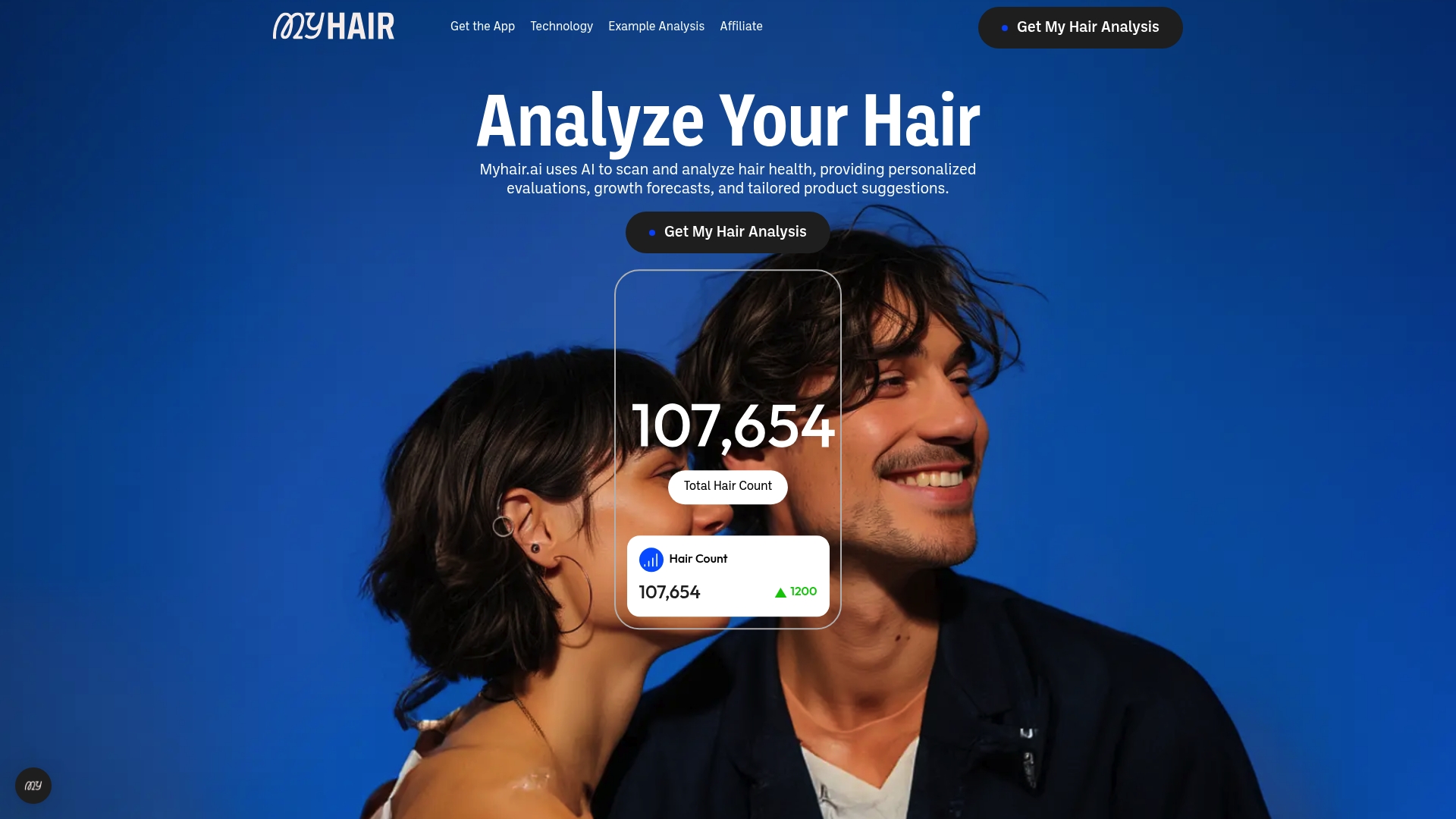
Myhair uses AI-powered scanning to give you a real hair score and strand count from photos taken at home. The hair analysis onboarding takes minutes and sets a personal baseline so you can track whether your seasonal shedding is resolving or worsening over time. Instead of guessing whether your routine is working, you get data that shows it. Myhair also provides tailored product recommendations based on your individual hair health profile, so the advice you receive fits your scalp, not a generic template.
FAQ
What is seasonal hair loss?
Seasonal hair loss, or telogen effluvium, is a temporary increase in shedding that follows shifts in daylight and temperature. It typically lasts 2–3 months, matching the natural hair cycle of 8–12 weeks.
When does seasonal shedding peak?
Shedding most commonly peaks in late summer through fall and again in early spring. These periods align with the body's response to changing light exposure and temperature.
How many hairs shed per day is normal?
Losing up to 100 hairs per day is within the normal range. Seasonal shedding can push that number higher temporarily, but persistent loss above 150 hairs per day for more than three months warrants a dermatologist visit.
Does biotin actually help with seasonal hair loss?
Biotin lacks strong clinical evidence for hair regrowth in people without a deficiency. Iron, zinc, and vitamin D have more documented impact and should be addressed first based on blood test results.
How long before lifestyle changes improve hair shedding?
Most lifestyle changes take 8–12 weeks to show up in hair health, matching the length of one full hair growth cycle. Consistency over at least two to three months is required before results become visible.