Understanding the Causes and Early Signs of Hair Loss
Hair loss occurs through a complex interplay of genetic, hormonal, and environmental factors. Recognizing these causes is crucial for effective prevention and treatment. The hair growth cycle consists of three phases: anagen (growth), catagen (transition), and telogen (rest), with disruptions to this cycle often resulting in excessive shedding.
According to research from Sequence Wellness, most people naturally shed 50-100 hairs daily, but when loss exceeds this range, it signals a potential problem. Common causes include:
- Androgenetic alopecia: Hereditary pattern baldness affecting both men (receding hairline) and women (diffuse thinning)
- Hormonal imbalances: Thyroid disorders, PCOS, menopause, and insulin resistance
- Nutritional deficiencies: Particularly iron, B12, vitamin D, zinc, and protein
- Medical conditions: Autoimmune disorders like alopecia areata causing patchy hair loss
- Stress-induced shedding: Telogen effluvium triggered by physical/emotional stress
Early signs include increased hair in your brush or shower drain, widening part, visible scalp, and reduced hair volume. Catching these symptoms early dramatically improves ways to prevent hair loss, as treatments work best before significant thinning occurs.
Key Takeaways
| Takeaway | Explanation |
|---|---|
| Recognize early signs of hair loss | Increased hair in brushes or drains, wider parts, visible scalp, and reduced volume are key early indicators that require attention. |
| Understand genetic and hormonal factors | Androgenetic alopecia and hormonal imbalances play significant roles in hair loss, emphasizing the importance of identifying personal risks. |
| Dietary changes can support hair health | Nutritional deficiencies, notably in proteins, iron, and vitamins, can contribute to hair loss, highlighting the need for a balanced diet. |
| Manage stress levels | Stress-induced hair loss through telogen effluvium can occur; therefore, stress management techniques are essential in prevention strategies. |
Optimizing Your Diet and Lifestyle for Thicker Hair
Your daily nutrition and habits significantly impact hair follicle health, making diet modification one of the most effective ways to prevent hair loss. Nutritional deficiencies are a leading contributor to thinning hair that can be reversed through targeted dietary changes.
According to research from Dr. Sumaiya Petiwala, specific nutrients are crucial for maintaining robust follicle function:
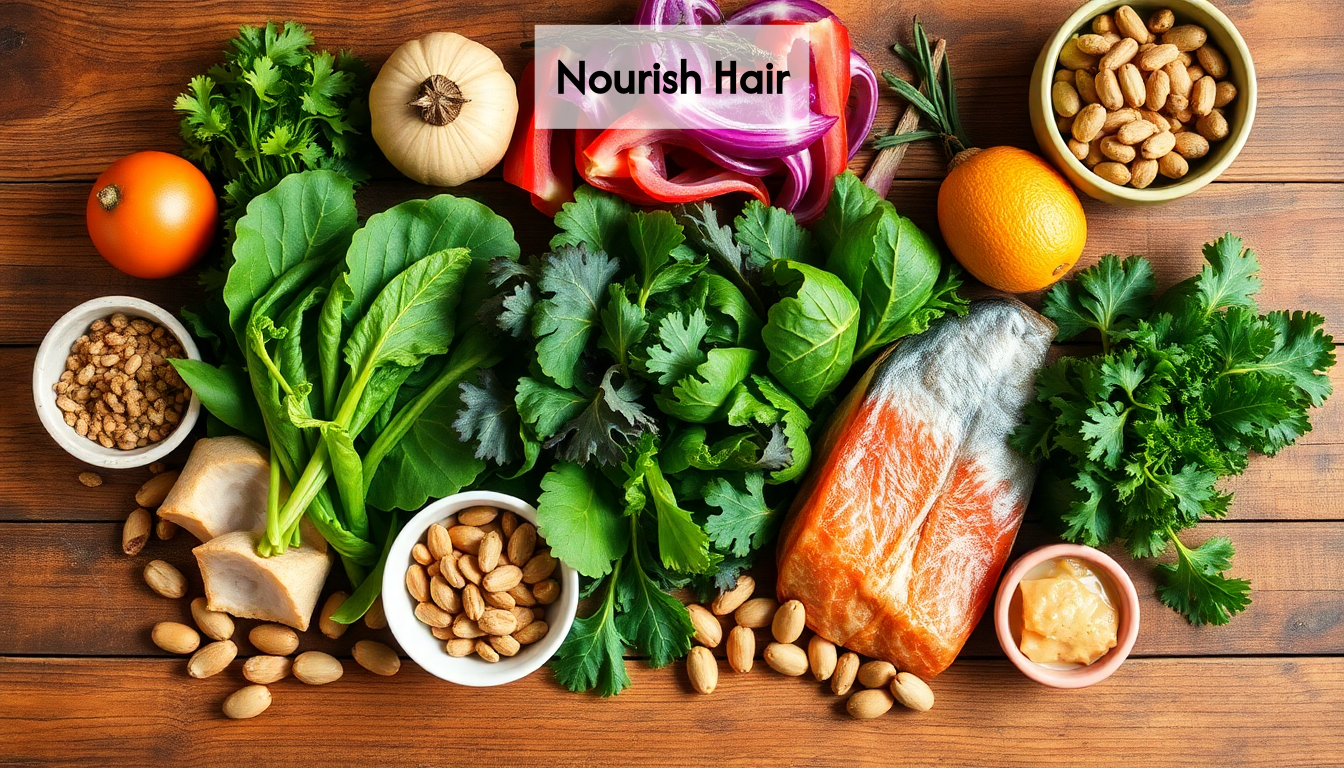
- Protein-rich foods: Hair is primarily composed of keratin (a protein), making adequate intake essential through sources like eggs, fish, lean meats, and legumes
- Iron-packed options: Iron deficiency particularly affects women's hair health; incorporate spinach, lentils, and grass-fed beef
- Omega-3 fatty acids: Found in fatty fish (salmon, mackerel), flaxseeds, and walnuts to reduce inflammation and support follicle health
- Zinc and biotin sources: Whole grains, oysters, nuts, and seeds support tissue growth and strengthen hair structure
Beyond diet, lifestyle factors dramatically influence hair retention. Chronic stress elevates cortisol levels, directly damaging follicles and pushing hair into the telogen (shedding) phase. Implement regular exercise, adequate sleep (7-8 hours), and stress-reduction techniques like meditation to create optimal conditions for hair growth.
Limit heat styling, harsh chemical treatments, and tight hairstyles that cause traction alopecia. Instead, adopt gentle hair care practices using sulfate-free products and reducing manipulation to minimize breakage and loss.
Effective Natural Remedies and Home Care Practices
Natural remedies offer accessible ways to prevent hair loss without harsh chemicals or medications. Research-backed topical treatments can stimulate follicles and reduce shedding when used consistently as part of your hair care routine.
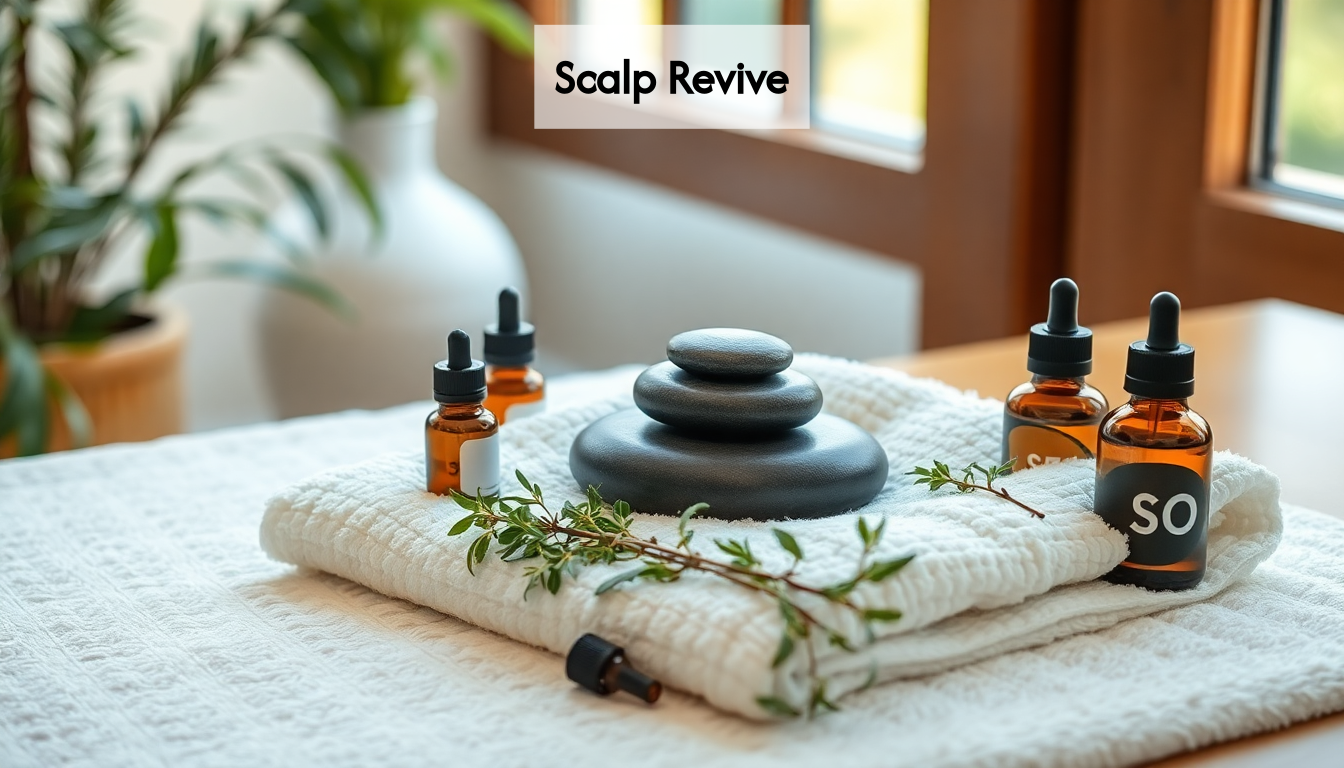
Scalp massage stands out as particularly effective. A 2016 study published in the journal Eplasty found that just 4 minutes of daily scalp massage increased hair thickness by stimulating dermal papilla cells responsible for hair growth. This simple technique improves blood circulation to follicles, delivering vital nutrients and oxygen.
Essential oils show promising results when properly diluted and applied:
- Rosemary oil: Matches minoxidil's effectiveness for androgenetic alopecia with fewer side effects
- Peppermint oil: Increases follicle number and depth through improved blood flow
- Lavender oil: Contains antimicrobial properties that improve scalp health while reducing stress
- Tea tree oil: Combats dandruff and fungal issues that can contribute to hair loss
Night care practices significantly impact hair retention. Using a silk or satin pillowcase reduces friction and breakage, while loose hairstyles prevent traction alopecia. Regular scalp exfoliation (once weekly) removes product buildup and dead skin cells that can clog follicles.
Rice water rinses provide proteins, vitamins B and E, and antioxidants that strengthen hair strands and reduce breakage—a traditional remedy validated by modern research on hair elasticity and strength.
Advanced Medical Treatments and Cutting-Edge Solutions
When lifestyle modifications and natural remedies prove insufficient, medical interventions offer scientifically-validated solutions for halting and reversing hair loss. These treatments target different phases of the hair growth cycle and underlying causes of thinning.
FDA-approved medications remain frontline treatments:
- Minoxidil (topical): Increases blood flow to follicles and extends the growth phase, with clinical studies showing up to 60% of users experiencing decreased hair loss and 40% seeing regrowth
- Finasteride (oral): Blocks DHT conversion, effectively treating male pattern baldness with 83% of men maintaining hair count after 2 years of treatment
- Low-level laser therapy (LLLT): At-home devices using red light wavelengths stimulate follicle activity and ATP production
- Platelet-rich plasma (PRP): Utilizes growth factors from your own blood to stimulate dormant follicles and increase hair diameter
Emerging technologies are reshaping treatment possibilities. According to research highlighted by ClearData, advanced data analytics now enable personalized treatment protocols based on genetic profiles, hormone levels, and scalp health biomarkers.
Hair transplantation has evolved dramatically with follicular unit extraction (FUE) allowing surgeons to harvest individual follicles without linear scarring. Robotic systems enhance precision while reducing recovery time. For those with limited donor hair, cell-based therapies that clone follicles are in late-stage clinical trials, potentially offering unlimited hair restoration capabilities.
Consult with a dermatologist or trichologist to determine which treatment aligns with your specific type and stage of hair loss for optimal results.
Daily Scalp Care and Stress Management for Long-Term Maintenance
Maintaining scalp health and managing stress are crucial components of any effective hair loss prevention strategy. The scalp is the foundation for healthy hair growth, while chronic stress directly impacts follicle function through hormonal pathways.
A targeted scalp care routine should include:
- Proper cleansing: Use sulfate-free shampoos 2-3 times weekly to remove buildup without stripping natural oils
- Gentle exfoliation: Apply a scalp scrub once weekly to clear dead skin cells and unclog follicles
- Protection from elements: Shield your scalp from harsh UV rays with hats or SPF products designed for hair
- Minimized heat styling: Reduce blow dryer, curling iron, and straightener use to prevent thermal damage
- Balanced moisture: Apply lightweight scalp oils or serums to maintain hydration without clogging pores
According to research from Simply Organic Beauty, stress significantly disrupts the hair growth cycle through telogen effluvium, pushing follicles prematurely into the resting phase. This typically manifests as increased shedding 2-3 months after stressful events.
Implement these science-backed stress management techniques:
Regular exercise increases endorphins while decreasing cortisol levels that contribute to hair loss. Mindfulness practices like meditation and deep breathing activate the parasympathetic nervous system, countering the stress response. Adequate sleep (7-8 hours) allows for proper hormone regulation and cellular repair essential for follicle health.
Consistency is key—these practices must become habitual to create the optimal physiological environment for hair retention and regrowth over time.
Frequently Asked Questions
What are the early signs of hair loss?
Look for increased hair in your brush or shower drain, a widening part, visible scalp, and reduced hair volume. Recognizing these signs early can lead to more effective prevention and treatment.
How can my diet impact hair loss?
Nutritional deficiencies, particularly in protein, iron, vitamins, and omega-3 fatty acids, can contribute to hair loss. A balanced diet including these nutrients is essential for maintaining healthy hair.
What natural remedies can help prevent hair loss?
Scalp massages, essential oils like rosemary and peppermint, and rice water rinses are effective natural remedies that can stimulate hair follicles and reduce shedding when used regularly.
What medical treatments are available for hair loss?
FDA-approved treatments include Minoxidil and Finasteride, which help decrease hair loss and promote regrowth. Additionally, Low-level laser therapy and Platelet-rich plasma (PRP) treatments are scientifically validated options for hair restoration.
Unlock Your Hair's Full Potential with Myhair.ai
Are you seeing more hair in your brush than you'd like? Finding it harder to style your hair due to thinning? You're certainly not alone in your struggle against hair loss, and now you don’t have to face it without guidance.
Transform your hair health journey with Myhair.ai, where our AI-powered platform precisely analyzes your hair’s condition.
- Understand the causes of your hair loss with detailed scans that highlight deficiencies and environmental stressors that could be affecting your hair cycle.
- Receive personalized product recommendations, carefully curated to suit your unique needs—whether you require more protein, iron, or even stress-reducing solutions.
- Explore consultation options with certified specialists who can offer deeper insights based on the trends we've identified within our vast community.
Don't let hair loss control your life. Start your journey to fuller, healthier hair today at Myhair.ai. Take that first step before your hair becomes your second worry!