
Understanding the Root Causes of Hair Loss
Before exploring solutions, it's crucial to identify what's causing your hair loss. Hair loss rarely happens without an underlying reason, and effective treatment depends on addressing the specific cause.
The most common causes include:
- Androgenetic alopecia (male and female pattern baldness) - A genetic condition affecting up to 50% of men by age 50 and about 40% of women by age 70
- Telogen effluvium - Temporary shedding triggered by stress, illness, or hormonal changes
- Nutritional deficiencies - Particularly iron, zinc, biotin, and protein
- Medical conditions - Including thyroid disorders, autoimmune diseases, and scalp infections
- Medications - Certain drugs for arthritis, depression, heart problems, and cancer treatments
Many people experiencing hair thinning wonder "my hair is falling out what can i do?" without first understanding why it's happening. A dermatologist can perform tests to identify specific causes, such as blood work to check hormone levels or nutritional deficiencies. In cases of sudden or severe hair loss, medical evaluation should be your first step as it may signal an underlying health condition requiring treatment beyond topical remedies.
Key Takeaways
| Takeaway | Explanation |
|---|---|
| Identify the Cause | Understanding underlying reasons for hair loss is crucial to selecting the right treatment. Consult a dermatologist for proper evaluation. |
| Common Causes | Awareness of causes like androgenetic alopecia, telogen effluvium, and nutritional deficiencies aids in proactive management of hair loss. |
| Importance of Testing | Blood tests can help identify hormonal imbalances or nutritional deficiencies contributing to hair loss, ensuring targeted interventions. |
Medical Treatments: Innovative Solutions for Hair Regrowth
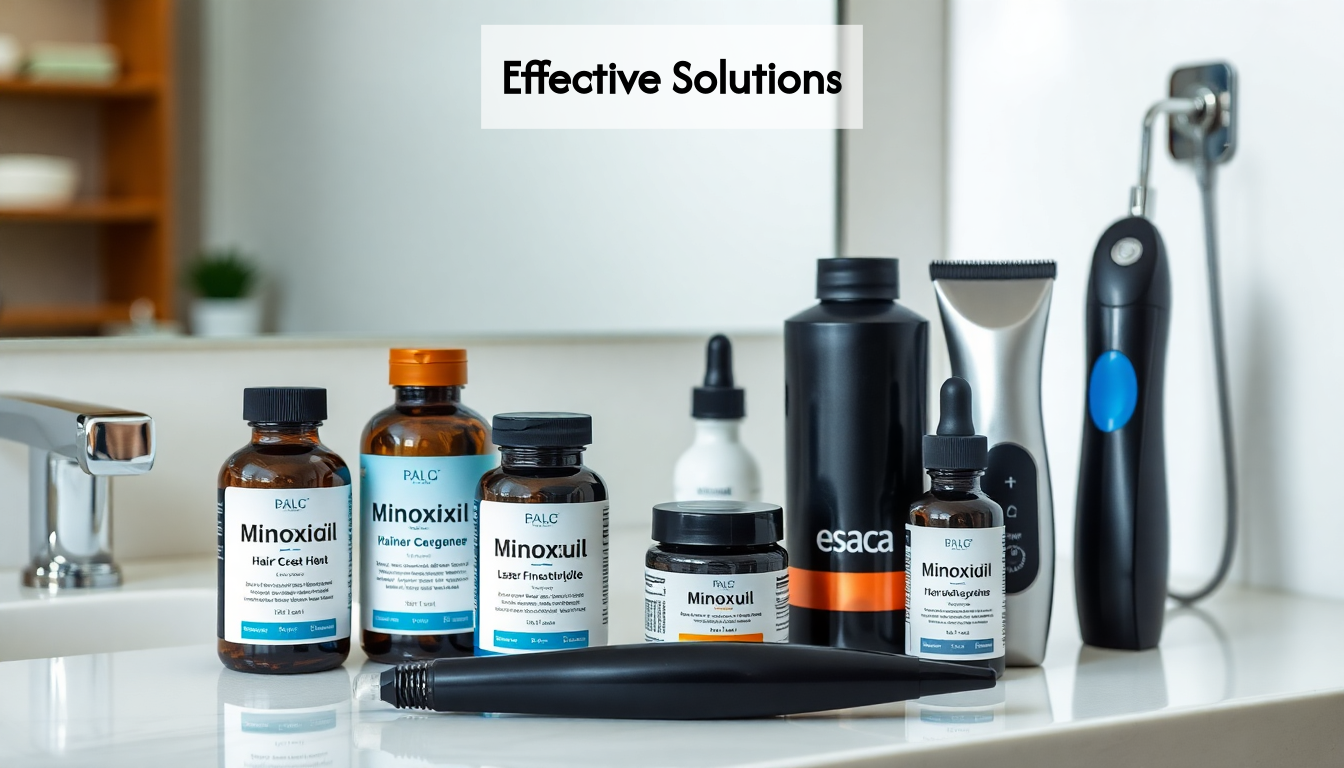
When seeking professional ways to stop hair loss, several clinically-proven medical treatments stand out for their efficacy.
FDA-approved medications remain the frontline defense against progressive hair loss:
- Minoxidil (Rogaine) - Available over-the-counter in 2% and 5% formulations, this topical treatment extends the growth phase of hair follicles and improves blood flow to the scalp. Clinical studies show 40% of women experience moderate regrowth after 8 months of consistent use.
- Finasteride (Propecia) - This prescription pill blocks DHT production, the hormone responsible for shrinking hair follicles. In clinical trials, 83% of men maintained their hair count, while 65% experienced visible regrowth after one year.
- Low-Level Laser Therapy (LLLT) - FDA-cleared laser caps and combs stimulate follicles at the cellular level, with a 2014 controlled study demonstrating a 39% increase in hair count over 16 weeks.
For advanced cases, hair transplantation techniques have evolved dramatically. Modern FUE (Follicular Unit Extraction) procedures transplant individual follicles without visible scarring, achieving natural-looking results with 90-95% graft survival rates. These procedures are particularly effective for those wondering how to limit hair loss permanently after trying other methods without success.
Consult a dermatologist or trichologist to determine which option best addresses your specific type of hair loss.
Natural Remedies: Home-Based Treatments and Herbal Solutions
For those seeking ways to stop hair loss using natural methods, several evidence-backed remedies can complement medical treatments or provide alternatives for mild cases.
Herbal approaches with research support include:
- Rosemary oil - A 2015 randomized comparative trial showed that rosemary oil was equally effective as 2% minoxidil for androgenetic alopecia, with fewer scalp itching side effects
- Saw palmetto - This herb inhibits 5-alpha-reductase (which produces DHT) and showed a 60% improvement in hair quality for study participants after 6 months
- Pumpkin seed oil - Men taking pumpkin seed oil supplements experienced a 40% increase in hair count compared to placebo in a 24-week controlled study
- Ginseng - Contains phytochemicals that promote hair follicle growth and reduce inflammation
Nutrient-rich treatments like egg masks (protein), aloe vera (anti-inflammatory), and coconut oil (lauric acid) may improve hair quality and reduce breakage. These remedies work best when addressing how to protect from hair fall through prevention rather than reversing advanced loss.
While natural approaches can be effective, they work best as part of an integrated approach rather than standalone solutions for significant hair loss. For optimal results, combine these remedies with lifestyle modifications and consult a healthcare provider to ensure they won't interfere with other treatments.
Nutrition & Lifestyle: Diet and Habits for Stronger Hair
For those wondering how to avoid hair loss, nutrition and lifestyle changes offer powerful preventative strategies that support hair health from within.
Nutritional foundations for robust hair growth include:
- Protein-rich foods - Hair is 95% keratin (a protein), making adequate intake crucial. A study in the Journal of Dermatology found that 59% of patients with hair loss had protein deficiencies. Prioritize eggs, fish, lean meats, and plant proteins like lentils and quinoa.
- Iron and zinc - These minerals are essential for hair follicle function. Iron deficiency is the most common nutritional cause of hair loss in premenopausal women.
- Omega-3 fatty acids - Found in fatty fish, walnuts, and flaxseeds, these nourish hair follicles and promote shine and strength.
- Antioxidant-rich foods - Colorful fruits and vegetables protect follicles from oxidative stress.
- Biotin and other B vitamins - Support keratin infrastructure and energy production in follicle cells.
Equally important are lifestyle factors. Chronic stress triggers cortisol release, pushing hair follicles into the resting phase prematurely. Regular exercise, adequate sleep (7-9 hours), and stress management techniques like meditation directly benefit hair growth cycles.
Smoking and excessive alcohol consumption restrict blood flow to the scalp and deplete nutrients, making quitting smoking and moderating alcohol intake effective ways to reduce hair loss. These nutritional and lifestyle adjustments offer sustainable, long-term solutions for those seeking how to keep your hair from balding naturally.

Hair Care Essentials: Techniques and Product Recommendations
Proper hair care forms a critical foundation when learning how to stop losing your hair. The right techniques and products can minimize breakage, reduce stress on follicles, and create optimal conditions for growth.
Washing and conditioning practices that protect vulnerable hair include:
- Gentle cleansing - Use sulfate-free shampoos that clean without stripping natural oils. Wash 2-3 times weekly rather than daily to maintain sebum balance.
- Lukewarm water - Hot water damages the cuticle and increases frizz. A 2020 dermatology study found that washing with cooler water reduced cuticle damage by 47%.
- Scalp massage - Incorporate 4-5 minute massages during washing to increase blood flow. Research shows this technique can increase hair thickness by stimulating dermal papilla cells.
- Conditioning correctly - Apply conditioner mid-shaft to ends (not scalp) to prevent clogging follicles while protecting the more fragile portions of hair.
For those wondering "how can I control my hair fall?", your styling routine matters significantly. Avoid tight hairstyles that cause traction alopecia. Minimize heat styling or use heat protectants (set dryers below 350°F). According to trichology experts, hair care must be personalized based on your specific hair type and scalp condition for optimal results.
When selecting products, look for ingredients like ketoconazole (anti-fungal), saw palmetto (DHT blocker), niacinamide (improves scalp circulation), and peptides (strengthens hair shaft). These components help address how to protect from hair fall while supporting existing growth.
Long-Term Prevention Strategies to Stop Hair Loss for Good
To effectively combat hair loss over the long term, a proactive, multi-faceted approach is essential for those wondering what is the best way to prevent hair loss permanently.
Consistent habits that yield cumulative benefits include:
- Regular scalp monitoring - Conduct monthly self-examinations to detect changes in hair density, texture, or scalp condition early. Document with photos to track progress objectively.
- Preventative medical interventions - Consider prophylactic use of proven treatments before significant loss occurs. Research shows that starting minoxidil or finasteride at the first signs of thinning yields 40% better long-term results than waiting until advanced stages.
- Hormone optimization - For both men and women, maintaining balanced hormone levels through regular testing is crucial, especially after age 40 when natural shifts occur.
- Inflammation management - Chronic inflammation damages follicles over time. Anti-inflammatory diets rich in omega-3s and antioxidants protect follicular health.
- Stress reduction protocols - Implement daily stress management practices as high cortisol levels accelerate the aging process in hair follicles.
The most effective approach integrates medical treatments, nutrition, stress management, and proper hair care into a personalized regimen. Consistency is paramount - studies show that patients who maintain their regimen for 2+ years experience 83% better outcomes than those who treat intermittently.
For optimal results, work with healthcare providers to develop an individualized plan that addresses your specific type of hair loss, genetic predispositions, and lifestyle factors to create sustainable ways to stop hair loss permanently.
Frequently Asked Questions
What are the main causes of hair loss?
Hair loss can result from several factors, including genetic conditions like androgenetic alopecia, temporary shedding due to stress (telogen effluvium), nutritional deficiencies, medical conditions, and certain medications.
How can I stop hair loss naturally?
Natural remedies such as rosemary oil, saw palmetto, and pumpkin seed oil have shown effectiveness in improving hair health. Additionally, maintaining a balanced diet rich in proteins, iron, and omega-3 fatty acids supports hair growth from within.
What medical treatments are effective for hair regrowth?
FDA-approved medications like minoxidil (Rogaine) and finasteride (Propecia) are clinically proven to promote hair regrowth. Low-level laser therapy (LLLT) is another option that stimulates hair follicles for improved growth.
What lifestyle changes can help prevent hair loss?
Maintaining a healthy diet high in proteins and essential nutrients, managing stress through exercise and mindfulness, ensuring adequate sleep, and avoiding smoking and excessive alcohol consumption can significantly contribute to preventing hair loss.
Unlock Your Path to Healthier Hair Today!
Feeling overwhelmed by hair loss? You're not alone. As discussed in "7 Proven Ways to Stop Hair Loss", uncovering the root causes—from nutritional deficiencies to stress-induced shedding—is the first step toward effective treatment. But understanding your specific condition is just the beginning.
Imagine having a personalized roadmap designed just for you! With Myhair.ai, our AI-powered platform analyzes your hair health through advanced scanning technology. By simply uploading an image of your hair, you receive tailored evaluations that identify your unique challenges and forecast your hair growth potential.
Don’t leave your hair health journey to chance! Take control now by harnessing our cutting-edge technology and expert consultations. Gain access to personalized product recommendations that cater to your specific needs, or connect with certified hair specialists for in-depth guidance.
Why wait? Visit Myhair.ai today and start transforming your hair health with solutions that actually work. Join our thriving community and embark on a journey toward stronger, healthier hair now!