Dandruff plagues nearly 50% of the adult population worldwide, making it a common yet frustrating issue. But here’s the kicker: most people treat the symptoms instead of addressing the root causes. While you might think dry skin is to blame, there’s actually a sneaky fungus wreaking havoc on your scalp. Unraveling the truth behind dandruff can lead to effective solutions—and a healthier scalp.
Understanding Dandruff Causes and Triggers
Dandruff affects millions of people worldwide, but contrary to popular belief, it's not primarily caused by dry scalp. The main culprit behind those annoying white flakes is a naturally occurring fungus called Malassezia. This yeast feeds on the oils produced by your scalp, creating oleic acid—a substance that irritates the scalp and triggers flaking in susceptible individuals.
Common Dandruff Triggers
-
Excess Scalp Oil Production - When your scalp produces too much oil, it creates an ideal environment for Malassezia to thrive. This explains why dandruff often worsens during puberty when oil production increases.
-
Hormonal Fluctuations - Changes in hormone levels can affect sebum production, potentially worsening dandruff. This is why many people notice flare-ups during times of hormonal change.
-
Stress and Diet - High stress levels and poor nutrition can compromise your immune system, making your scalp more susceptible to fungal overgrowth. Specifically, diets high in sugar and processed foods may contribute to dandruff problems.
-
Environmental Factors - Both extreme cold (which dries the scalp) and hot, humid conditions (which encourage fungal growth) can trigger or worsen dandruff symptoms. Seasonal changes often coincide with dandruff flare-ups for many sufferers.
According to research from Holistic Hair, dandruff symptoms typically include white or yellowish oily flakes, itching, irritation, redness, and scalp sensitivity. In more severe cases, the condition may develop into seborrheic dermatitis, which can affect other oily areas of the body beyond just the scalp.
Understanding these underlying causes is essential for implementing effective ways to treat dandruff and developing a comprehensive approach to scalp health.
Key Takeaways
| Takeaway | Explanation |
|---|---|
| Dandruff is primarily caused by the fungus Malassezia | Unlike common myths, dry scalp does not primarily lead to dandruff; it's the overgrowth of this fungus that creates irritation and flaking. |
| Hormonal changes and diet impact dandruff severity | Fluctuations in hormones and poor nutrition can exacerbate dandruff, indicating the importance of holistic health factors in managing this condition. |
| Environmental factors play a role in dandruff triggers | Conditions such as extreme cold or humidity can worsen dandruff, making it important to consider one's environment when managing symptoms. |
Effective Over-the-Counter Dandruff Solutions
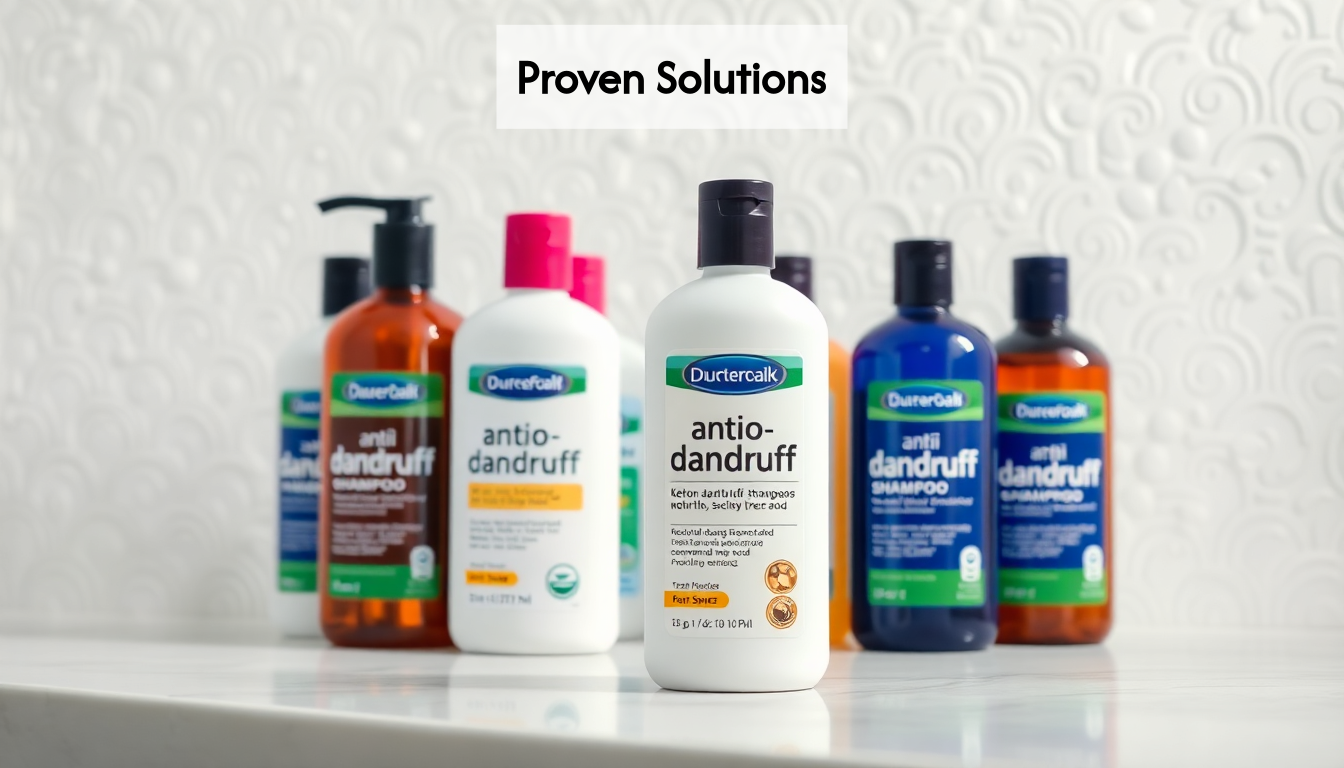
When looking for ways to treat dandruff, over-the-counter products offer scientifically-proven solutions that target the root causes of flaking. Each active ingredient works differently, so understanding their mechanisms can help you choose the right product for your specific condition.
Key Anti-Dandruff Ingredients
-
Pyrithione Zinc - This antimicrobial ingredient effectively targets the Malassezia fungus responsible for dandruff. Regular use reduces flaking and itching by controlling fungal populations on your scalp. Look for shampoos containing 1-2% concentration for optimal results.
-
Selenium Sulfide - Works by slowing cell turnover and reducing Malassezia. It's particularly effective for moderate to severe dandruff cases. For best results, massage thoroughly into your scalp and allow it to sit for 2-3 minutes before rinsing.
-
Ketoconazole - This powerful antifungal agent provides longer-lasting control than other ingredients. According to research from GK Hair, ketoconazole effectively controls the fungus that produces oleic acid, the scalp irritant causing dandruff.
-
Salicylic Acid - Helps remove existing flakes by exfoliating the scalp. This ingredient is especially helpful if you have significant buildup before starting treatment.
-
Coal Tar - Slows skin cell death and has anti-inflammatory properties. It's effective but may discolor light-colored hair and increase sun sensitivity.
Application Tips for Maximum Effectiveness
For any anti-dandruff shampoo to work properly:
- Wet hair thoroughly with lukewarm water
- Apply enough product to cover your entire scalp
- Massage gently into your scalp for 1-2 minutes
- Allow the product to sit for 3-5 minutes
- Rinse completely—residue can cause further irritation
Consistency is crucial when using these products. Most require regular use for at least 2-3 weeks before showing significant improvement. For severe cases, using the product 2-3 times weekly as a maintenance routine can prevent recurrence after initial control is achieved.
Natural Home Remedies for Dandruff
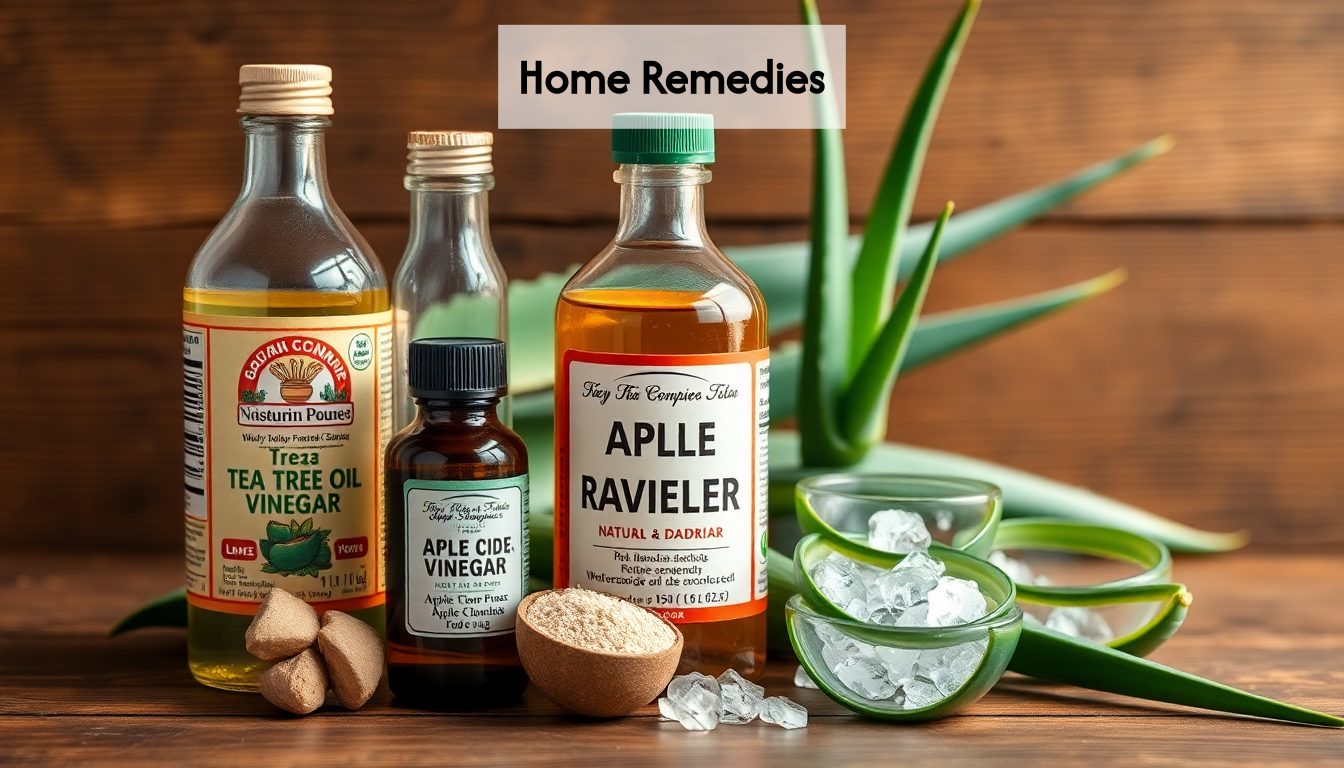
If you prefer natural ways to treat dandruff, several kitchen ingredients and plant-based solutions can effectively control flaking and itching. These remedies address the underlying causes of dandruff while being gentle on your scalp.
Effective Natural Solutions
-
Apple Cider Vinegar - With powerful antifungal properties, ACV helps control Malassezia growth while balancing scalp pH. Mix equal parts water and apple cider vinegar, apply to your scalp, leave for 15 minutes, then rinse thoroughly. Users report reduced flaking after 2-3 applications per week.
-
Tea Tree Oil - This potent natural antifungal combats the organisms causing dandruff. Add 10-15 drops to a tablespoon of carrier oil (like coconut or jojoba), massage into your scalp, and leave for 30 minutes before washing with a mild shampoo. A 2002 study in the Journal of the American Academy of Dermatology found that shampoos with 5% tea tree oil significantly improved dandruff symptoms.
-
Aloe Vera - Soothes inflammation and reduces scalp irritation with its natural cooling properties. Apply pure aloe gel directly to your scalp, leave for 30 minutes, then rinse with lukewarm water. Regular use helps reduce redness and flaking associated with dandruff.
-
Coconut Oil - Penetrates the scalp deeply to moisturize and has antifungal properties that help control dandruff-causing organisms. Warm 2-3 tablespoons of coconut oil, massage into your scalp, leave overnight, and wash in the morning. This treatment works especially well for dry scalp-related dandruff.
-
Baking Soda - Works as a gentle exfoliant to remove dead skin cells and reduce fungal growth. Make a paste with water, massage into your scalp while damp, leave briefly, then rinse thoroughly. Start with weekly applications as baking soda can sometimes cause dryness.
Dietary Approaches for Scalp Health
Addressing dandruff from the inside out can complement topical treatments:
- Increase zinc-rich foods (pumpkin seeds, chickpeas, oysters) to help regulate oil production
- Boost omega-3 fatty acids (fatty fish, walnuts, flaxseeds) to reduce inflammation
- Add probiotics to your diet to promote overall microbiome balance, which may help control fungal growth on the scalp
According to certified holistic nutritionist Troy Sawyer, these natural remedies target the underlying causes rather than just treating symptoms, making them effective alternatives to chemical treatments for many sufferers.
Diet and Lifestyle Adjustments for Scalp Health
Beyond topical treatments, making strategic diet and lifestyle changes can significantly improve dandruff conditions by addressing the root causes of scalp imbalance. These adjustments support your body's natural ability to maintain scalp health and complement other ways to treat dandruff.
Nutrient-Rich Foods for Scalp Health
-
Omega-3 Fatty Acids - These essential fats reduce inflammation and help regulate oil production in the scalp. Include fatty fish (salmon, mackerel), walnuts, chia seeds, and flaxseeds in your weekly diet. Research shows that omega-3 supplementation can reduce scalp inflammation by up to 25% in some individuals.
-
Zinc-Rich Foods - Zinc helps regulate sebum production and supports immune function to fight fungal infections. Add oysters, pumpkin seeds, beef, and lentils to your meals. A clinical study found that dandruff sufferers often have lower zinc levels compared to those without the condition.
-
Probiotics - Beneficial bacteria support your microbiome balance, which can influence scalp health. Yogurt, kefir, kombucha, and fermented vegetables help maintain this balance. Regularly consuming probiotics has been shown to reduce inflammatory skin conditions in clinical trials.
-
Antioxidant-Rich Foods - According to Davines International, beta-carotene (found in orange fruits and vegetables) promotes cell turnover and vitamin C (from citrus fruits and berries) helps fight harmful bacteria on the scalp. Incorporating these foods can significantly reduce itching and flaking.
Lifestyle Modifications for Dandruff Prevention
-
Stress Management - Chronic stress compromises immune function, potentially worsening dandruff. Implement regular stress-reduction techniques like meditation, yoga, or deep breathing. A 2018 study found that participants who practiced stress management techniques for 8 weeks experienced a 41% reduction in scalp flaking.
-
Regular Exercise - Physical activity improves circulation, including blood flow to the scalp. Aim for at least 150 minutes of moderate exercise weekly. Better circulation helps deliver nutrients to your scalp and removes waste products more efficiently.
-
Adequate Hydration - Proper hydration supports overall skin health, including your scalp. Drink at least 8 glasses of water daily to maintain skin moisture from within.
-
Sleep Quality - During deep sleep, your body repairs tissues and balances hormones that affect oil production. Aim for 7-9 hours of quality sleep nightly to support these processes.
-
Environmental Protection - Shield your scalp from harsh environmental factors like extreme temperatures, pollution, and excessive sun exposure, which can trigger or worsen dandruff flare-ups.
Consistently implementing these dietary and lifestyle changes alongside topical treatments creates a comprehensive approach to managing dandruff and promoting long-term scalp health.
Long-Term Dandruff Prevention Tips
While treating active dandruff is important, implementing preventive measures helps maintain a healthy scalp and reduces the likelihood of recurrence. These strategies focus on creating an environment where dandruff-causing factors are minimized or eliminated.
Daily Hair Care Practices
-
Consistent Cleansing Routine - Establish a regular washing schedule appropriate for your hair type. For most people with dandruff-prone scalps, washing every 1-2 days helps control oil buildup without over-drying. Use lukewarm water rather than hot, which can stimulate excess oil production.
-
Gradual Product Transitions - When switching between anti-dandruff products and regular hair care items, transition gradually. After getting dandruff under control, use your medicated shampoo once weekly for maintenance while using gentler products on other days.
-
Mindful Styling Habits - Limit heat styling and harsh chemical treatments that can irritate the scalp. According to dermatology experts at DESSNA, overuse of styling products can contribute to dandruff by creating buildup that feeds the Malassezia fungus.
-
Scalp Exfoliation - Incorporate gentle scalp exfoliation into your routine once every 1-2 weeks to remove dead skin cells before they form visible flakes. Use products specifically designed for scalp care rather than body scrubs.
Environmental Considerations
-
Humidity Control - In dry environments, use a humidifier to maintain optimal moisture levels, especially during winter months when indoor heating can dry out your scalp.
-
UV Protection - Shield your scalp from excessive sun exposure, which can trigger dandruff flares in some individuals. Wear hats in direct sunlight or use hair products with UV protection.
-
Pillowcase Management - Change and wash pillowcases weekly using fragrance-free detergent. Silk or satin pillowcases create less friction againstyour scalp and hair compared to cotton.
Monitoring and Maintenance
-
Seasonal Adjustments - Be prepared to modify your routine as seasons change. Many people need more intensive treatments during winter months and lighter approaches during summer.
-
Early Intervention - Address minor flaking immediately before it develops into a full dandruff outbreak. Having maintenance products ready allows for prompt response to early warning signs.
-
Professional Evaluation - Schedule annual scalp assessments with a dermatologist if you have recurring dandruff issues. Persistent or severe cases might indicate underlying conditions requiring specialized treatment.
By incorporating these preventive measures into your regular routine, you can significantly reduce dandruff occurrences and maintain optimal scalp health. Remember that consistency is key—the most effective ways to treat dandruff involve long-term commitment to these preventive practices.
Frequently Asked Questions
What causes dandruff?
Dandruff is primarily caused by the overgrowth of a fungus called Malassezia, which feeds on scalp oils. Factors like excess oil, hormonal fluctuations, and stress can exacerbate the condition.
How can I treat dandruff at home?
You can treat dandruff at home using natural remedies like apple cider vinegar, tea tree oil, and coconut oil. These ingredients have antifungal properties that help reduce flaking and irritation.
What over-the-counter products are effective for dandruff?
Look for shampoos containing active ingredients like pyrithione zinc, selenium sulfide, or ketoconazole. These ingredients are scientifically proven to target the fungus causing dandruff and reduce symptoms.
How can I prevent dandruff from returning?
To prevent dandruff from returning, maintain a consistent hair care routine, manage stress, follow a healthy diet rich in omega-3 fatty acids and zinc, and protect your scalp from harsh environmental conditions.
Unlock Your Scalp's Potential with Myhair.ai!
Are you tired of battling dandruff without seeing real results? You’re not alone! Millions struggle with the frustrating flaking caused by the Malassezia fungus and inconsistent scalp oil levels. What if you could not only treat your dandruff but also understand the unique needs of your scalp?
At Myhair.ai, we believe in personalized solutions for your hair health. Our AI-powered platform analyzes your scalp conditions comprehensively, allowing us to deliver tailored recommendations specifically designed to combat dandruff and promote a healthy scalp environment. Plus, you’ll receive insights about your hair's health, forecasts on future growth, and top product suggestions from renowned hair care brands—all in one convenient spot. Don't wait for dandruff to disrupt your confidence any longer!
Join Myhair.ai today and reclaim your scalp health. Visit https://myhair.ai to start your personalized journey towards a flake-free future—because your scalp deserves the best treatment!