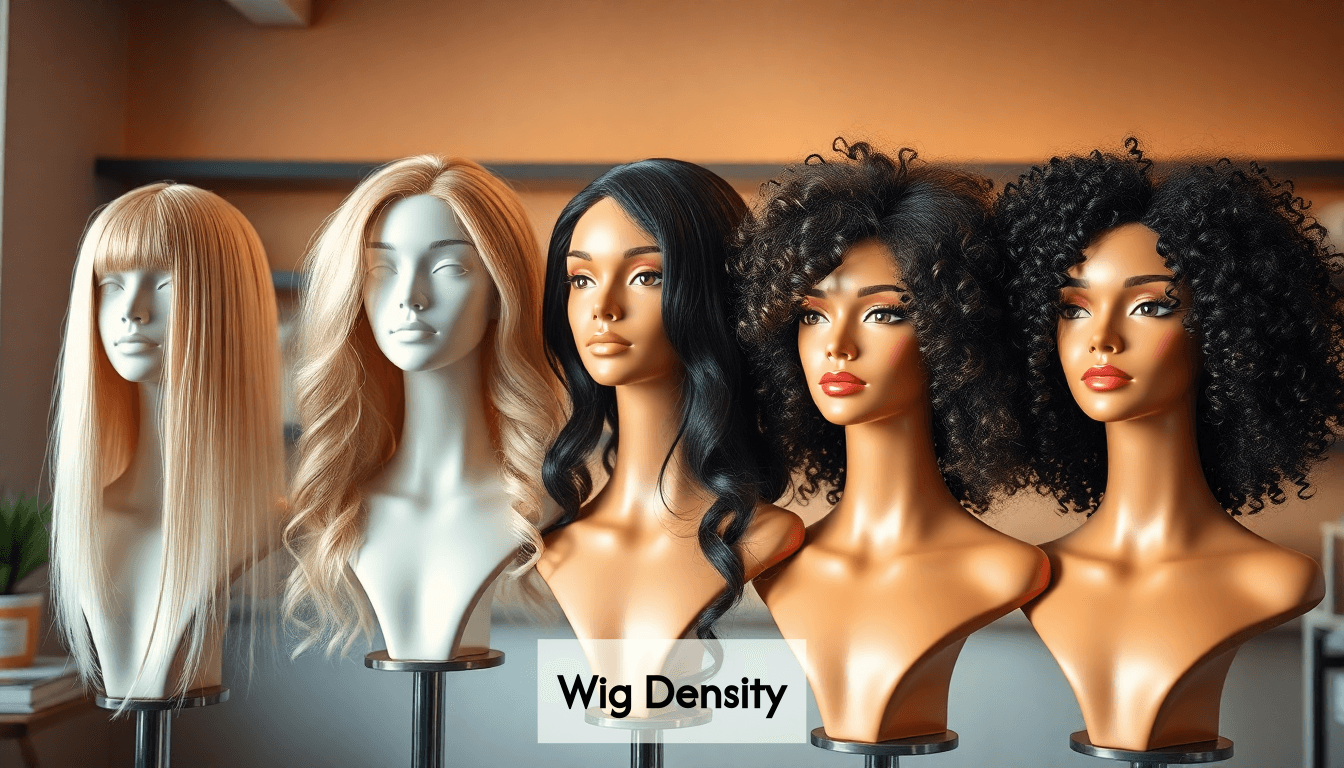
Decoding Wig Density Meaning: More Than Just a Number
Wig density refers to the amount of hair strands attached to the wig cap, measured as a percentage compared to natural human hair. This percentage directly affects how full or thin your wig appears when worn.
Understanding what density means in wigs can help you make better purchasing decisions and achieve your desired look. According to Milano Collection, density impacts not only appearance but also styling versatility, maintenance requirements, and price.
Common wig density percentages include:
- 80-90%: Light density, resembling thinning hair
- 100-120%: Medium density, mimicking average natural hair
- 130-150%: Medium-heavy density, offering a fuller look
- 180-200%: Extra heavy density, providing maximum volume
While shopping for wigs, you'll often encounter labels like "130% density wig" or "180% density wig." These numbers aren't arbitrary marketing terms but precise indicators of hair volume. The best wig density depends entirely on your desired appearance—lighter densities create more natural looks, while higher densities deliver dramatic fullness.
When choosing hair density for wigs, consider factors like your face shape, styling goals, comfort level, and maintenance commitment. A good wig density balances realistic appearance with your personal volume preferences.
Key Takeaways
| Takeaway | Explanation |
|---|---|
| Wig density is a key determinant of appearance | The percentage of hair strands attached to the wig cap affects how full or thin the wig looks when worn. |
| Density impacts styling options and maintenance | Different densities offer varying levels of styling versatility and require different maintenance approaches. |
| The ideal density varies by individual factors | Factors such as face shape and lifestyle should dictate the choice of wig density for the best look and comfort. |
| Density classifications provide clear guidance | Common wig density categories like light (80-90%), medium (100-120%), and heavy (150-180%) offer a framework for making informed decisions. |
How Wig Density is Measured: Exploring Key Indicators
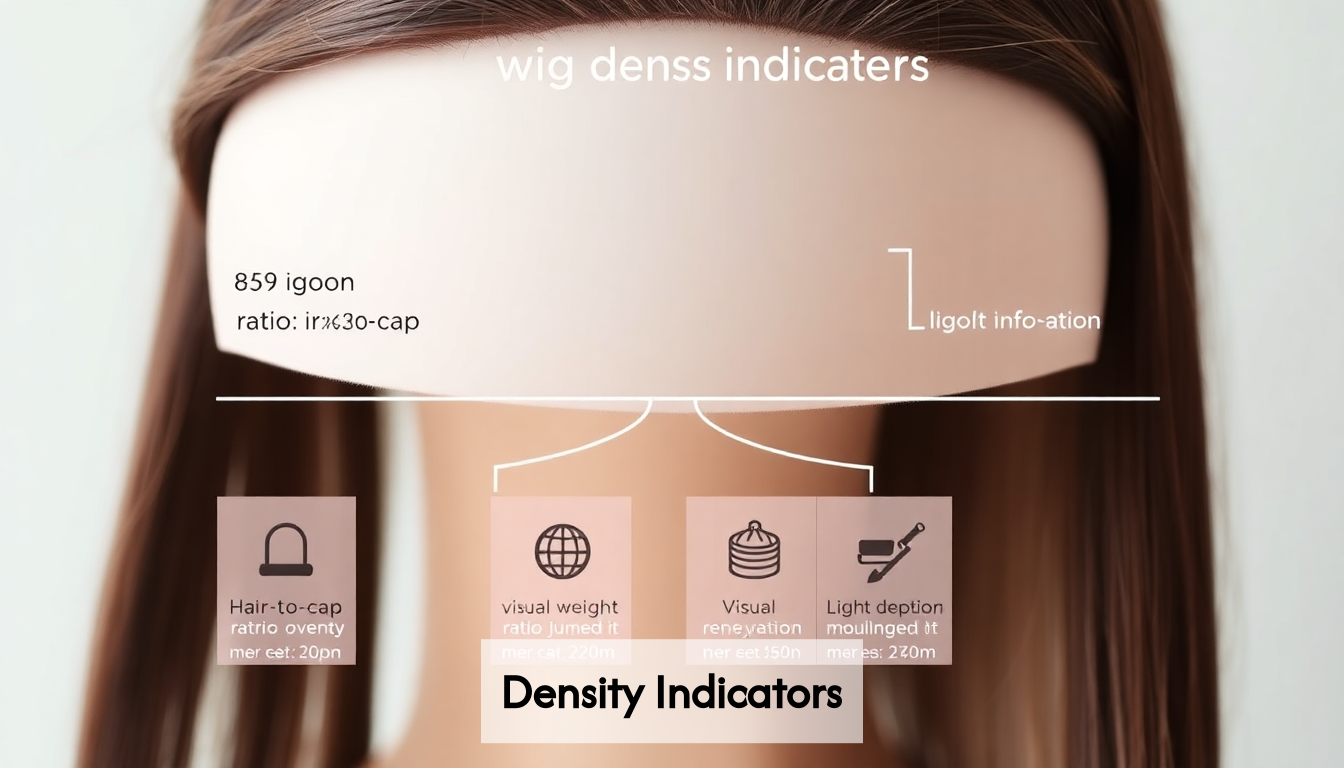
Wig density measurement is a standardized process that quantifies the amount of hair attached to a wig cap. This percentage compares the wig's hair volume to average natural human hair, with 100% representing the typical density of natural hair.
Manufacturers determine density through several precise indicators:
- Hair-to-cap ratio: The number of hair strands per square inch of cap material
- Overall weight: Higher density wigs weigh more due to additional hair
- Visual fullness: How the wig appears when styled in standard conditions
- Light penetration: How easily light passes through the hair when backlit
According to Hermosa Hair, density classifications follow a clear pattern, with 120-130% density providing a natural look while 150% offers more volume for medium-length styles. The measurement isn't about individual hair strand thickness but rather the concentration of strands throughout the cap.
What makes density in wigs particularly important is its role in creating various styles. Lower densities (100-110%) work well for subtle, thin-hair looks, while higher densities (180% and above) deliver maximum volume and styling versatility. Understanding these measurements helps you communicate your preferences when shopping for custom wigs or selecting from pre-made options.
Factors Influencing Wig Density: Materials, Cap Construction & Style
What determines hair density in wigs extends beyond simple percentages. Multiple factors work together to create the final density effect of a wig. The interplay between materials, construction, and style dramatically influences how density appears when worn.
Material Considerations
- Hair type: Human hair wigs generally appear more natural at lower densities (130-150%) than synthetic wigs, which may require higher densities for a natural look
- Hair texture: Curly or wavy hair creates the illusion of greater density than straight hair at the same percentage
- Hair quality: Premium hair (especially Virgin European) distributes more evenly, affecting perceived density
Cap construction significantly impacts how density is distributed. Lace front and full lace wigs allow for more precise density control around the hairline, creating a more natural appearance even at higher overall densities. Machine-made caps typically feature uniform density throughout, while hand-tied caps can incorporate strategic density variations.
Wig length and style also modify how density is perceived. Shorter styles appear fuller at lower densities, while longer styles may require higher densities (180% or more) to avoid appearing thin at the ends. Layered cuts create movement and volume that can make a 130% density wig appear as full as a 150% density wig with a blunt cut.
Understanding these factors helps you make informed decisions when selecting the best density for your wig based on your unique preferences and styling needs.
Expert Advice: Choosing the Right Wig Density for Your Look
Selecting the best wig density involves matching hair volume to your unique features and style preferences. The perfect density should complement your face shape while achieving your desired aesthetic without sacrificing comfort.
According to Hair Queen LA, face shape significantly influences which wig density will look most flattering:
- Round faces: Medium to heavy density (150-180%) adds height and elongates facial appearance
- Oval faces: Most densities work well, with 120-130% providing balanced proportions
- Square faces: Light to medium density (100-130%) softens angular features
- Heart-shaped faces: Light to medium density with layering frames the face beautifully
Your lifestyle and intended use also affect what density in wigs will work best. For everyday wear, prioritize breathability and comfort with 120-150% density. Special occasions might warrant higher densities (180-200%) for dramatic volume and styling versatility.
Consider your age when selecting wig density—extremely high densities can appear less natural as we mature since natural hair typically thins with age. Many wig specialists recommend decreasing density slightly (by 20-30%) for those over 50 seeking the most natural appearance.
The best hair density for a wig ultimately depends on balancing authenticity with your personal volume preferences and styling goals.
Comparing Density Options: From Natural to High-Density Wigs
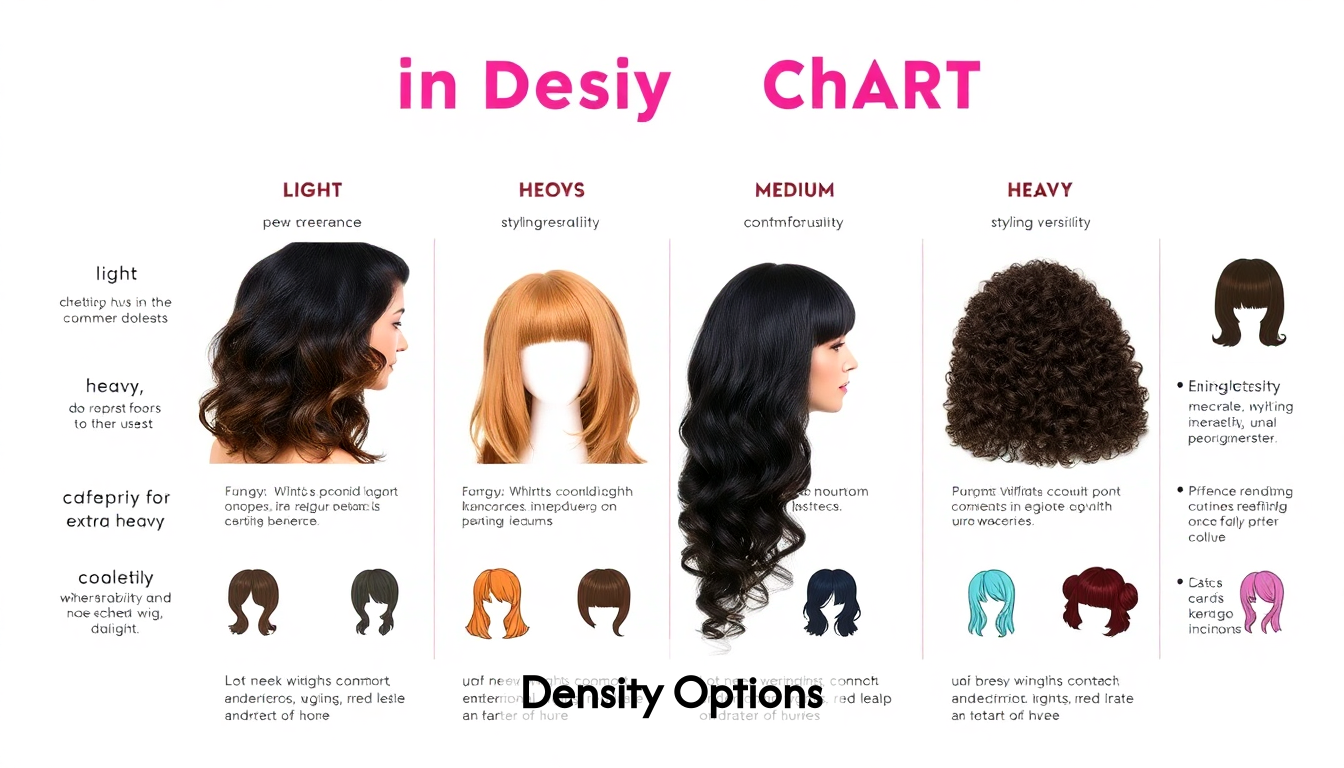
Understanding the practical differences between wig density options helps you make an informed choice that balances appearance with wearability. Each density category serves specific needs and creates distinct aesthetic effects when worn.
According to Perfect Line Swiss, while 120% density is considered the standard for natural appearance, the full spectrum offers varied benefits:
Light Density (50-90%)
- Appearance: Creates a subtle, thinning hair look
- Weight & Comfort: Extremely lightweight, ideal for hot weather
- Styling Versatility: Limited to simple styles
- Best For: Older wearers seeking age-appropriate volume; those with sensitive scalps
Medium Density (100-130%)
- Appearance: Mimics average natural hair density
- Weight & Comfort: Balanced comfort for daily wear
- Styling Versatility: Handles most everyday styles
- Best For: First-time wig wearers; those seeking natural appearance
Heavy Density (150-180%)
- Appearance: Provides full, voluminous look
- Weight & Comfort: Substantial feel, may require adjustment period
- Styling Versatility: Excellent for elaborate updos and voluminous styles
- Best For: Special occasions; those wanting dramatic volume
Extra Heavy Density (200%+)
- Appearance: Dramatic, showstopping fullness
- Weight & Comfort: Heaviest option, less suitable for all-day wear
- Styling Versatility: Maximum styling options
- Best For: Photoshoots; performances; brief special events
When comparing options like 130 vs 180 density wigs, consider that higher densities require more maintenance, generate more heat, and cost substantially more. The best density for a wig ultimately depends on balancing your aesthetic goals with practical comfort considerations.
Pro Tips for Maintaining Optimal Wig Density Over Time
Maintaining your wig's density requires proper care techniques that preserve hair volume and prevent unnecessary shedding. Even high-quality wigs will lose some density over time without appropriate maintenance, particularly with regular wear.
Follow these expert-recommended practices to maximize your wig's lifespan and preserve its original density:
-
Gentle washing techniques: Use lukewarm (never hot) water and sulfate-free shampoo specifically formulated for wigs. Wash in a downward motion to prevent tangling that leads to hair loss.
-
Proper drying methods: Pat excess moisture with a microfiber towel rather than rubbing. Allow air-drying on a wig stand to maintain the cap structure and prevent density-reducing tension.
-
Strategic product usage: Apply leave-in conditioners and detanglers sparingly. Heavy product build-up weighs down hair and can cause breakage during styling, reducing density over time.
-
Appropriate brushing: Use wide-tooth combs or specialized wig brushes, starting from the ends and working upward. Never brush wet human hair wigs as this significantly increases shedding.
-
Careful storage: Store on a wig stand when not worn to maintain shape and prevent compression that damages hair attachment points.
For human hair wigs, limit heat styling to preserve hair integrity. When heat styling is necessary, always use a heat protectant and the lowest effective temperature setting. Higher density wigs (150%+) typically require more frequent deep conditioning treatments to maintain their fullness compared to lighter density options.
With proper maintenance, a quality wig can maintain most of its original density for 6-12 months of regular wear before noticeable thinning occurs.
Frequently Asked Questions
What does wig density mean?
Wig density refers to the amount of hair strands attached to the wig cap, expressed as a percentage compared to natural hair. It affects how full or thin the wig appears when worn.
How is wig density measured?
Wig density is measured by comparing the amount of hair per square inch of the cap, overall weight, and visual fullness. A standard density is 100% which represents average natural hair.
What is the best wig density for a natural look?
A wig density of 120% to 130% is typically considered ideal for achieving a natural appearance, as it mimics the average density of human hair.
How do different densities affect styling options?
Lower densities (100-110%) are suitable for subtle, thin hair looks, while higher densities (180% and above) provide maximum volume and styling versatility, allowing for elaborate styles.
Unlock Your Perfect Wig Look with Tailored Insights!
Discovering the right wig density is crucial for achieving that flawless, natural look you desire. Are you struggling to choose the perfect density? Perhaps you've wondered how to balance visual fullness with comfort or which density suits your unique face shape best. At Myhair.ai, we understand that these decisions can feel overwhelming, especially when you want your wig to enhance your natural beauty.
Imagine receiving personalized recommendations designed specifically for your hair type and desired style. Our innovative AI technology allows you to upload images of your current hair and receive tailored evaluations that dissect your hair health. With insights on hair count, growth forecasts, and even bald spot detection, we empower you to make informed choices about wig density and styling. Don't leave your hair journey to chance—start optimizing your look today!
Join our vibrant community of hair health enthusiasts and see the difference personalized care can make! Visit Myhair.ai now to take the first step towards enhancing your wig-wearing experience with expert insights tailored just for you.