TL;DR:
- Argan oil hair treatment hydrates, strengthens, and restores dry or damaged hair by sealing the cuticle and reducing frizz. Using high-quality, pure, and correctly formulated argan oil based on hair type yields the best results. Consistent application over weeks, within a proper routine, gradually improves hair health and shine.
Argan oil hair treatment is defined as the topical application of oil derived from the kernels of the Moroccan argan tree (Argania spinosa) to hydrate, strengthen, and restore damaged or dry hair. The oil is rich in vitamin E and fatty acids that seal the hair cuticle, reduce frizz, and increase shine without adding weight. Brands like Moroccanoil, Orofluido, and Creme of Nature have built entire product lines around this single ingredient. Salon professionals consistently endorse it as one of the most effective natural conditioning agents available. If your hair is brittle, dull, or breaking, this guide gives you the exact steps and product knowledge to fix it.
What makes the best argan oil for hair treatment?
The quality of your argan oil product determines your results. Cold-pressed, 100% pure, organic argan oil delivers the highest concentration of active nutrients because heat processing destroys a significant portion of the vitamin E content. Look for products where argan oil appears first or second on the ingredient list, not buried after a dozen synthetic fillers.
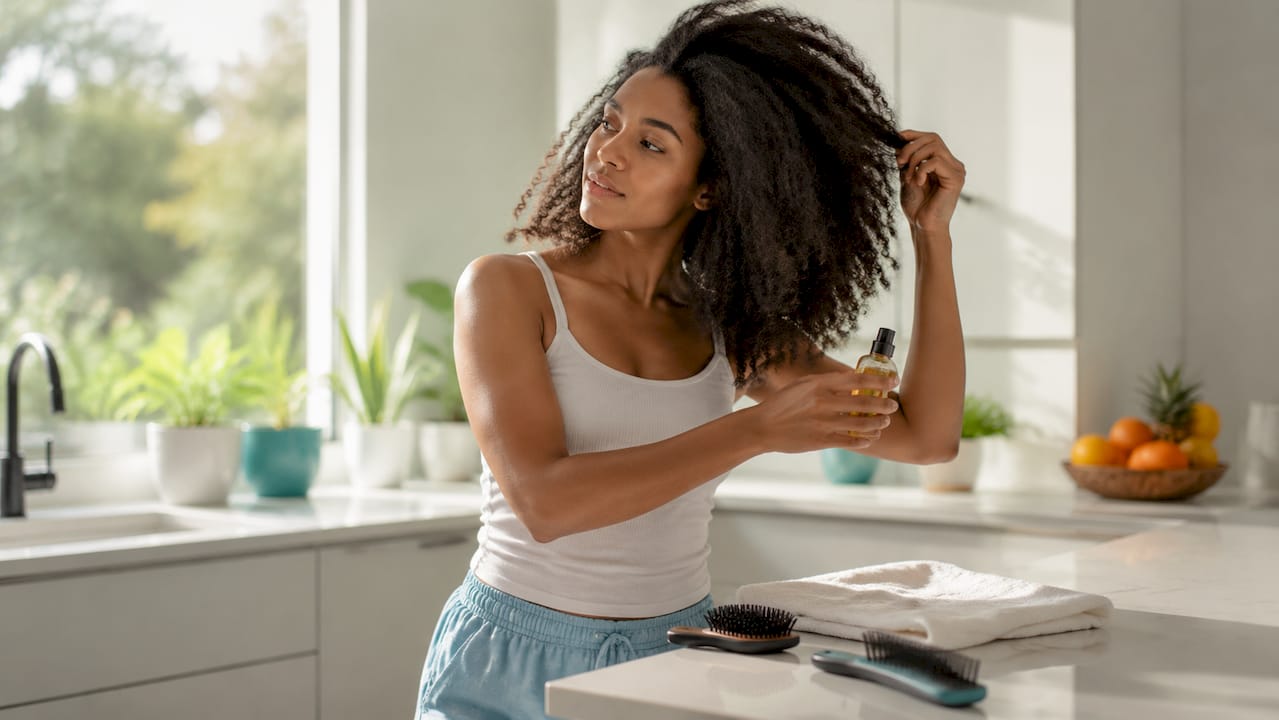
Commercial formulas add ingredients that extend argan oil's natural benefits. Pro-Vitamin B-5 and silk amino acids enhance smoothness and manageability beyond what oil alone can achieve. Creme of Nature's Perfect 7 treatment, for example, claims seven benefits including detangling, heat protection, frizz control, shine, and moisturizing in a single application. That kind of multi-function formula works because the supporting ingredients fill gaps the oil cannot cover on its own.
Your hair type also determines which product format fits best.
| Product Type | Best For | Key Benefit |
|---|---|---|
| Pure argan oil (100%) | Thick, coarse, or color-treated hair | Maximum hydration and cuticle repair |
| Lightweight argan serum | Fine or oily hair | Shine and frizz control without weight |
| Argan oil hair mask | Severely dry or chemically damaged hair | Deep conditioning and elasticity restoration |
| Leave-in argan cream | Textured or curly hair | Moisture retention and definition |
| Argan conditioning treatment | All hair types, daily use | Softness, detangling, and protection |
Fine hair benefits most from a serum or lightweight leave-in. Thick or color-treated hair can handle a richer mask or pure oil application. Choosing the wrong format is one of the most common reasons people feel argan oil is not working for them.
Pro Tip: Check the ingredient label before buying. If "fragrance" or "parfum" appears in the first five ingredients, the formula is likely more perfume than treatment.
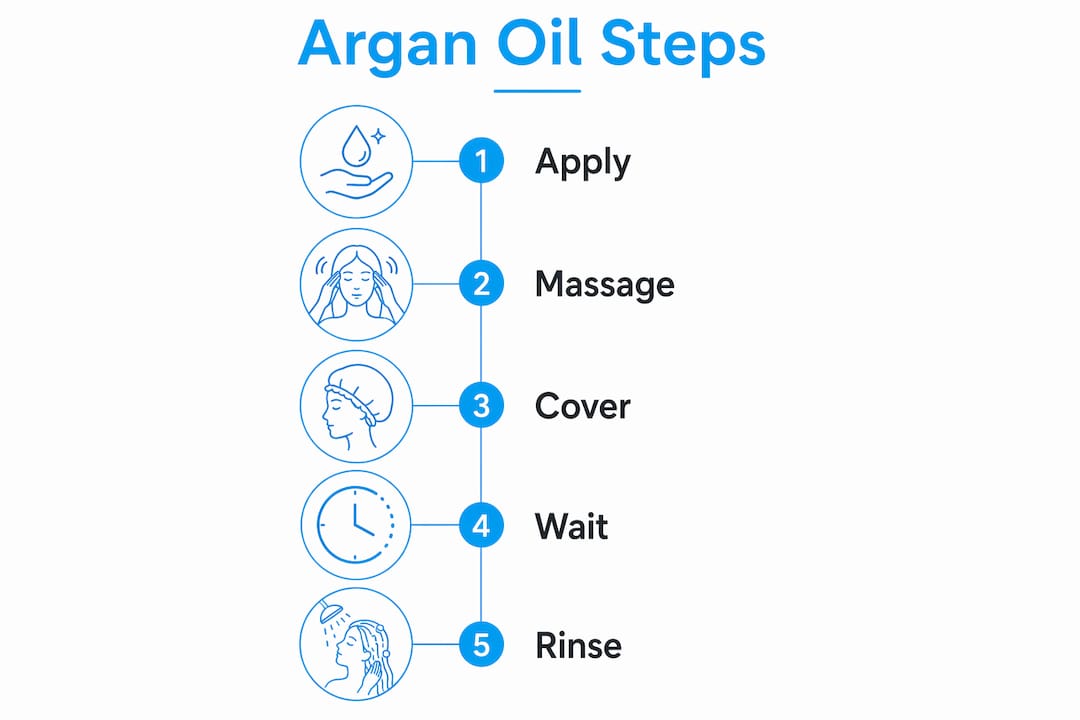
How to apply argan oil on hair: step-by-step
Correct application separates a treatment that transforms your hair from one that just makes it greasy. Follow these steps for consistent results.
- Start with detangled, damp hair. Towel-dry after washing until hair is about 70% dry. Damp hair absorbs oil more evenly than soaking wet hair, which dilutes the product.
- Warm the oil in your palms. Pour 1–2 drops or pumps into your hands and rub them together for five seconds. Warming the oil improves spreadability and absorption.
- Apply mid-length to ends only. Applying 1–2 drops on mid-lengths and ends avoids greasy roots and keeps the treatment lightweight. Never apply directly to the scalp unless you are doing a pre-treatment soak.
- Work through sections. Divide hair into two or four sections and run your palms through each one. This distributes the oil evenly rather than concentrating it in one spot.
- Choose your timing. Use it as a leave-in after washing, as a pre-wash treatment left on for 20–45 minutes, or as a finishing oil on dry styled hair.
- Blow-dry or air-dry. Argan oil provides antioxidant benefits and heat protection, so applying it before blow-drying adds a layer of defense against heat damage.
- Finish with a small amount on dry hair. One drop smoothed over the surface of styled hair tames flyaways and adds a natural gloss without resetting your style.
For a deeper argan oil hair mask treatment, apply a generous amount to dry hair before washing, cover with a shower cap, and leave on for 20–45 minutes. Rinse thoroughly, then shampoo and condition as normal. Pre-poo treatments should stay under one hour to prevent buildup and maintain scalp health.
Pro Tip: Use argan oil two to three times per week for dry or damaged hair. Once weekly is enough for normal hair. Daily use on fine hair almost always leads to buildup.
What mistakes should you avoid with argan oil treatments?
Most people who say argan oil did not work for them made at least one of these errors.
- Applying too much. More oil does not mean more benefit. Excess product coats the hair shaft without absorbing, leaving a greasy film that attracts dirt and flattens roots.
- Applying to the scalp. Overuse near the scalp leads to residue buildup and a greasy appearance. The scalp produces its own sebum. Adding oil on top creates an imbalance.
- Using low-quality or heavily fragranced products. Cheap argan oil products often contain more silicone and synthetic fragrance than actual oil. They coat the hair temporarily but do not deliver the vitamin E and fatty acid benefits that improve hair strength and shine.
- Ignoring your hair type. A thick, rich argan oil mask applied to fine hair will weigh it flat. A lightweight serum applied to coarse, dry hair will not penetrate deeply enough to make a difference.
- Leaving it on overnight without protection. Sleeping with oil on your hair transfers product to your pillowcase and can cause scalp buildup if the oil reaches the roots.
If your hair feels sticky or weighed down after treatment, you used too much product. Wash with a clarifying shampoo, then restart with a single drop next time.
Troubleshooting is straightforward. Sticky hair means excess product. Flat roots mean scalp application. Dull results mean low-quality oil. Each problem has a direct fix.
How does argan oil compare to other natural hair oils?
Argan oil is not the only natural oil that treats dry or damaged hair, but it has a distinct profile that makes it the right choice for most people. Understanding how it compares helps you decide whether to use it alone or alongside other oils.
| Oil | Weight | Best For | Scent | Heat Protection |
|---|---|---|---|---|
| Argan oil | Light | All hair types, especially fine | Mild, neutral | Yes |
| Coconut oil | Medium | Thick, coarse, or low-porosity hair | Strong, sweet | Moderate |
| Castor oil | Heavy | Scalp treatments, thick hair | Earthy, strong | No |
| Jojoba oil | Very light | Oily or sensitive scalps | Odorless | Minimal |
Compared to coconut or castor oils, argan oil is lighter and less greasy, making it suitable for fine and textured hair. Coconut oil penetrates the hair shaft deeply but can cause protein buildup on low-porosity hair over time. Castor oil is too thick for most hair types as a standalone treatment and works better as a scalp oil. Jojoba oil closely mimics scalp sebum, making it excellent for scalp health but less effective for dry ends.
Argan oil wins on versatility. You can use it on damp hair, dry hair, before heat styling, or as a finishing product. No other single oil covers that range without trade-offs.
Pro Tip: Combine argan oil with jojoba oil in a 3:1 ratio for a lightweight blend that addresses both scalp balance and dry ends. This works especially well for combination hair that is oily at the roots and dry at the tips.
For a broader look at how argan oil stacks up against other top hair growth oils, Myhair has a detailed breakdown of nutrient profiles and application differences.
What products work best alongside argan oil treatment?
Argan oil delivers the best results as part of a complete hair care routine, not as a standalone fix. Using argan oil within a regimen that includes shampoo, conditioner, and a weekly mask produces more substantial improvements than oil alone. Orofluido, for example, offers a full argan oil ritual designed for daily nourishment and deep repair.
Here is how to layer products without weighing your hair down:
- Shampoo: Use a sulfate-free formula to avoid stripping the moisture argan oil builds. Brands like OGX and SheaMoisture offer argan oil-infused shampoos that clean without over-drying.
- Conditioner: Apply a standard conditioner after every wash. An argan oil conditioning treatment adds an extra layer of hydration on top of what the conditioner provides.
- Weekly mask: Swap your conditioner for a deep conditioning argan oil hair mask once a week. Leave it on for 10–20 minutes under a shower cap for maximum penetration.
- Leave-in or serum: Apply a small amount of argan oil or an argan-based serum to damp hair before styling. This locks in moisture from the conditioner.
- Heat protectant: If you blow-dry or use a flat iron, choose a heat protectant that contains argan oil. The oil's antioxidant properties add an extra defense layer.
Styling creams and serums containing argan oil work particularly well for dry or textured hair because they combine hold with hydration. Products from Moroccanoil's styling line, for instance, use argan oil as a base ingredient in their curl creams and smoothing lotions. The result is definition and moisture in one step rather than two separate products.
For a deeper look at how an argan oil hair mask fits into a full restoration routine, Myhair covers the specifics of timing, layering, and product selection.
Key takeaways
Argan oil hair treatment works best when you apply the right amount to mid-lengths and ends, choose a quality product matched to your hair type, and use it consistently within a complete routine.
| Point | Details |
|---|---|
| Quality matters most | Choose cold-pressed, 100% pure argan oil or formulas with silk amino acids for real results. |
| Apply to ends, not scalp | Use 1–2 drops on mid-lengths and ends only to avoid greasiness and buildup. |
| Match format to hair type | Fine hair needs a serum; thick or damaged hair benefits from a mask or pure oil. |
| Combine with a full routine | Pair argan oil with sulfate-free shampoo, conditioner, and a weekly mask for lasting improvement. |
| Consistency beats intensity | Two to three applications per week outperforms daily overuse or occasional deep treatments. |
What i have learned after years of recommending argan oil
People expect argan oil to fix their hair in one wash. That expectation is the biggest obstacle to actually seeing results.
I have watched people buy Moroccanoil Treatment, use half the bottle in one session, and declare it useless by the following morning. The oil did not fail them. The application did. Argan oil is a maintenance ingredient, not a rescue product. It builds results over two to four weeks of consistent, correct use. The vitamin E and fatty acids that protect against breakage and increase elasticity do their work gradually, not overnight.
The other thing most articles skip: product quality varies enormously. A $6 bottle labeled "argan oil" from a discount retailer and a $38 bottle of Moroccanoil Treatment are not the same product. The cheaper version often contains mostly cyclopentasiloxane (a silicone) with trace amounts of actual argan oil. It will make your hair feel smooth for a day because silicone coats the shaft. It will not repair anything. Spending more on a product where argan oil is the primary active ingredient is not a luxury. It is the difference between a treatment and a temporary cosmetic effect.
My honest recommendation: start with a pure argan oil from a brand like Josie Maran or Now Solutions, learn how your hair responds to the oil itself, then layer in commercial formulas once you understand your baseline. That approach removes the variable of synthetic additives and gives you a clear read on what the oil actually does for your specific hair.
— Cyriac
Get a personalized hair analysis with Myhair
Knowing argan oil is beneficial is one thing. Knowing exactly how much your hair needs, which formula fits your specific condition, and whether your hair is actually improving over time is another.
Myhair uses AI-powered scanning technology to analyze your hair condition from photos and generate a personalized assessment. The AI hair scanner identifies your hair's current health score, tracks changes over time, and recommends specific products matched to your hair type and damage level. Instead of guessing whether you need a mask or a serum, you get a data-backed answer. Start your personalized hair assessment today and take the guesswork out of your argan oil routine.
FAQ
What does argan oil actually do for dry hair?
Argan oil seals the hair cuticle, locking in moisture and reducing frizz while adding shine. Its vitamin E and fatty acid content also improves elasticity and reduces breakage over consistent use.
Is argan oil good for color-treated hair?
Yes. Argan oil is one of the safest natural oils for color-treated hair because it is lightweight and does not strip pigment. It helps restore moisture lost during the coloring process without interfering with color vibrancy.
How often should you use an argan oil hair treatment?
Two to three times per week is the standard recommendation for dry or damaged hair. Fine hair benefits from once-weekly use to avoid buildup and flat roots.
Can argan oil cause an allergic reaction?
Those with tree nut allergies should exercise caution because argan oil is derived from argan tree nuts. Patch-test any new product on your inner wrist before applying it to your hair and scalp.
How long before you see results from argan oil treatment?
Most people notice improved softness and shine within one to two weeks of consistent use. Significant improvements in strength and reduced breakage typically appear after four to six weeks of regular application.